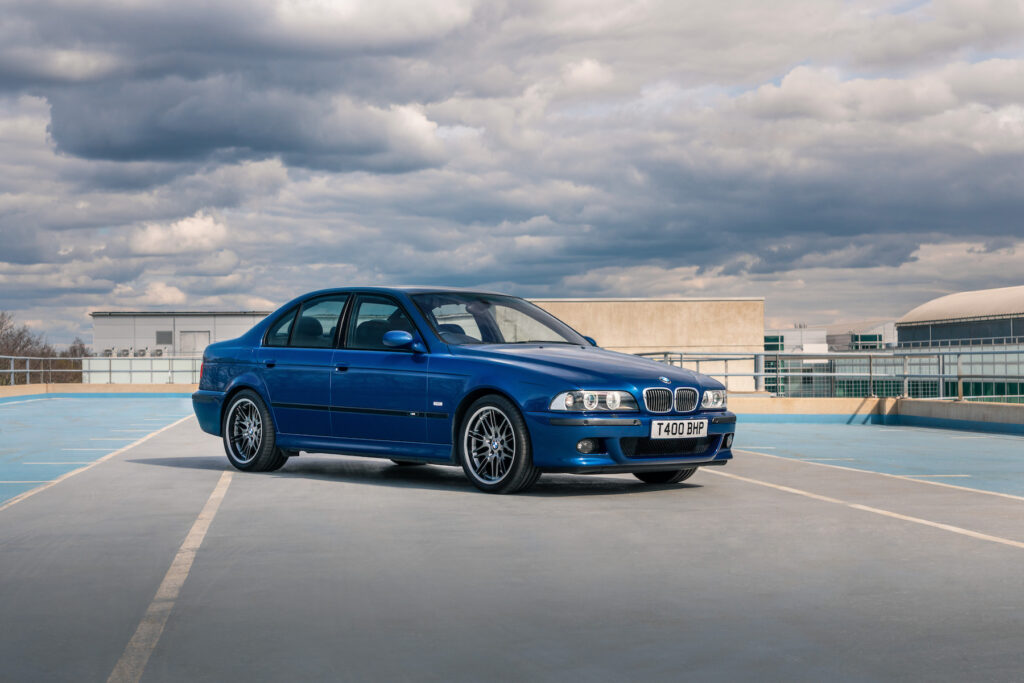
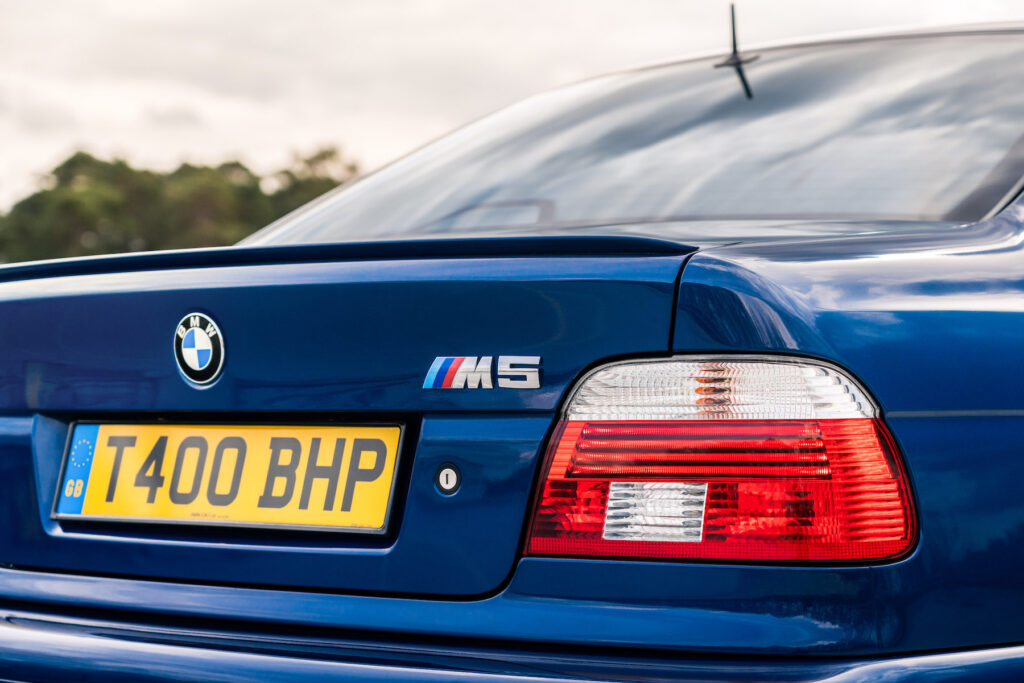
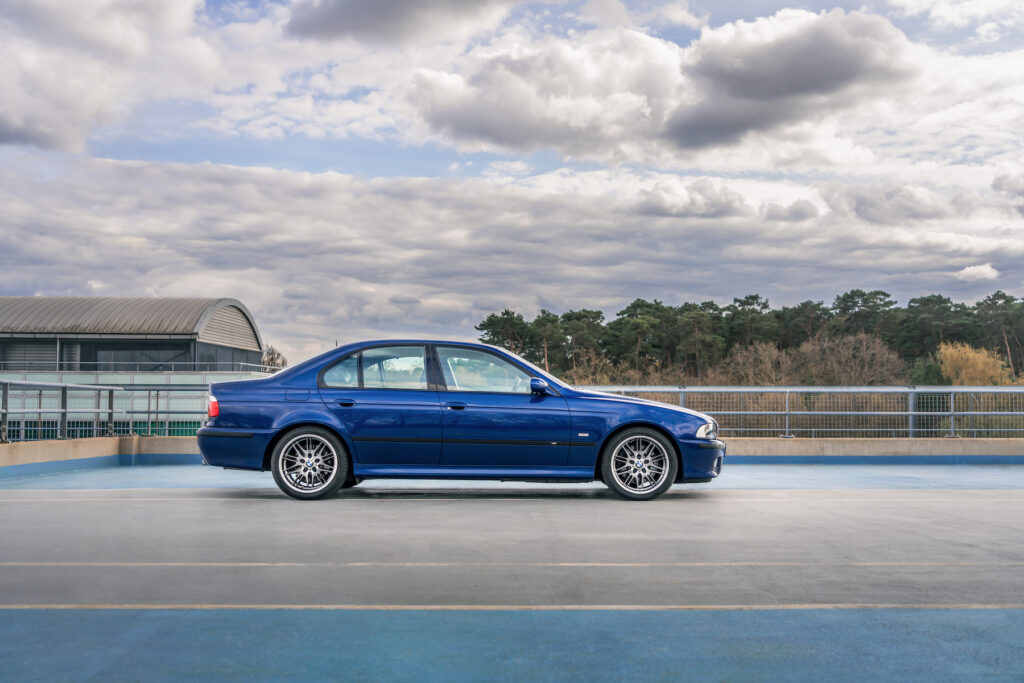
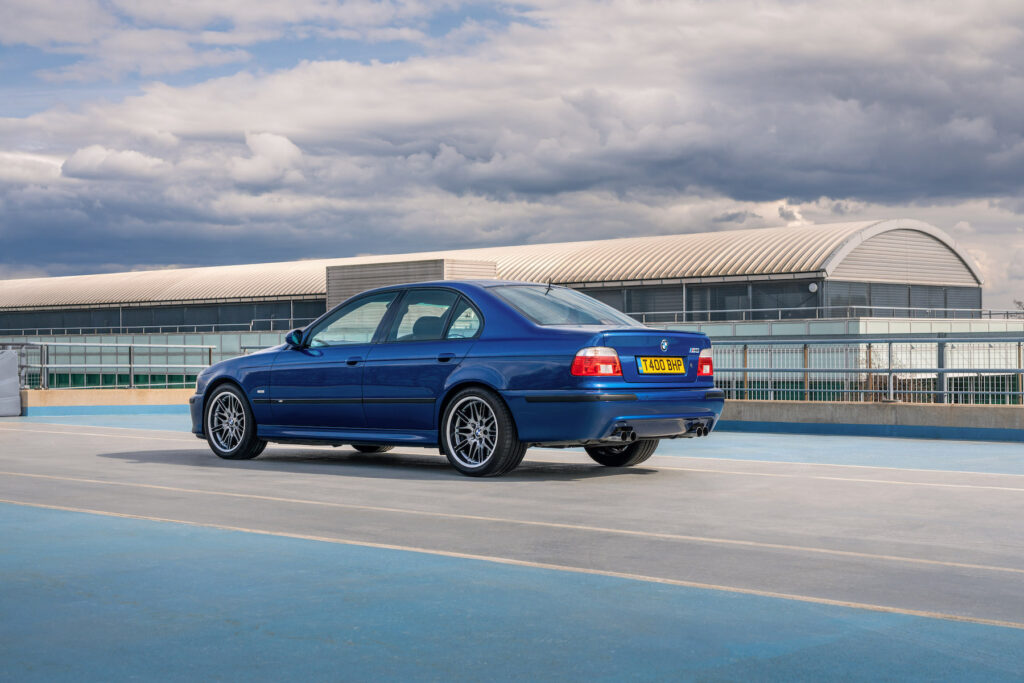
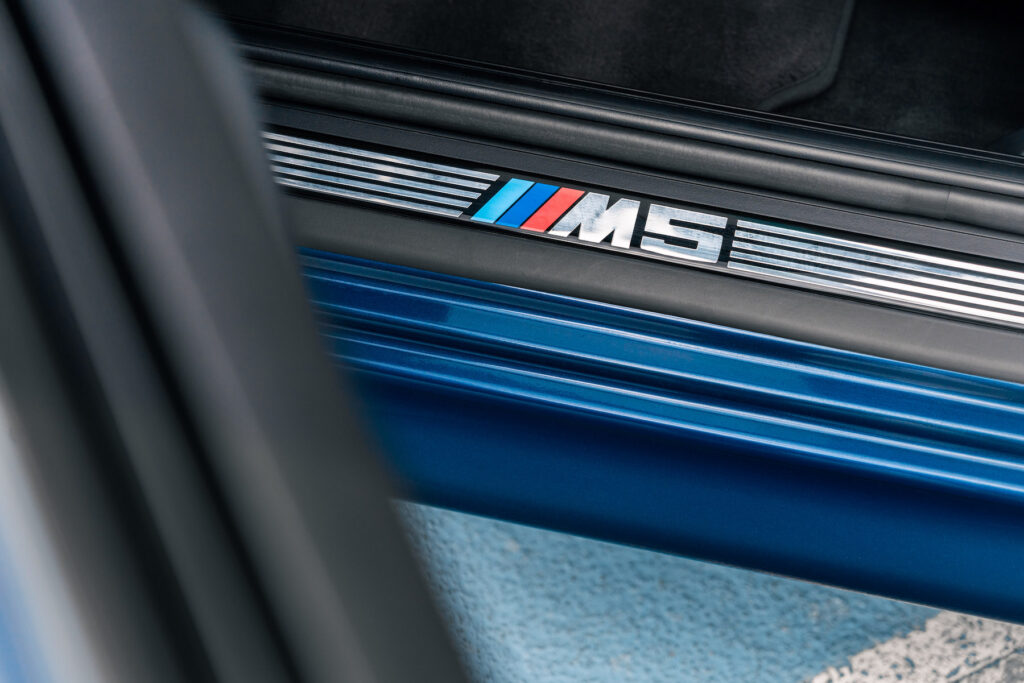

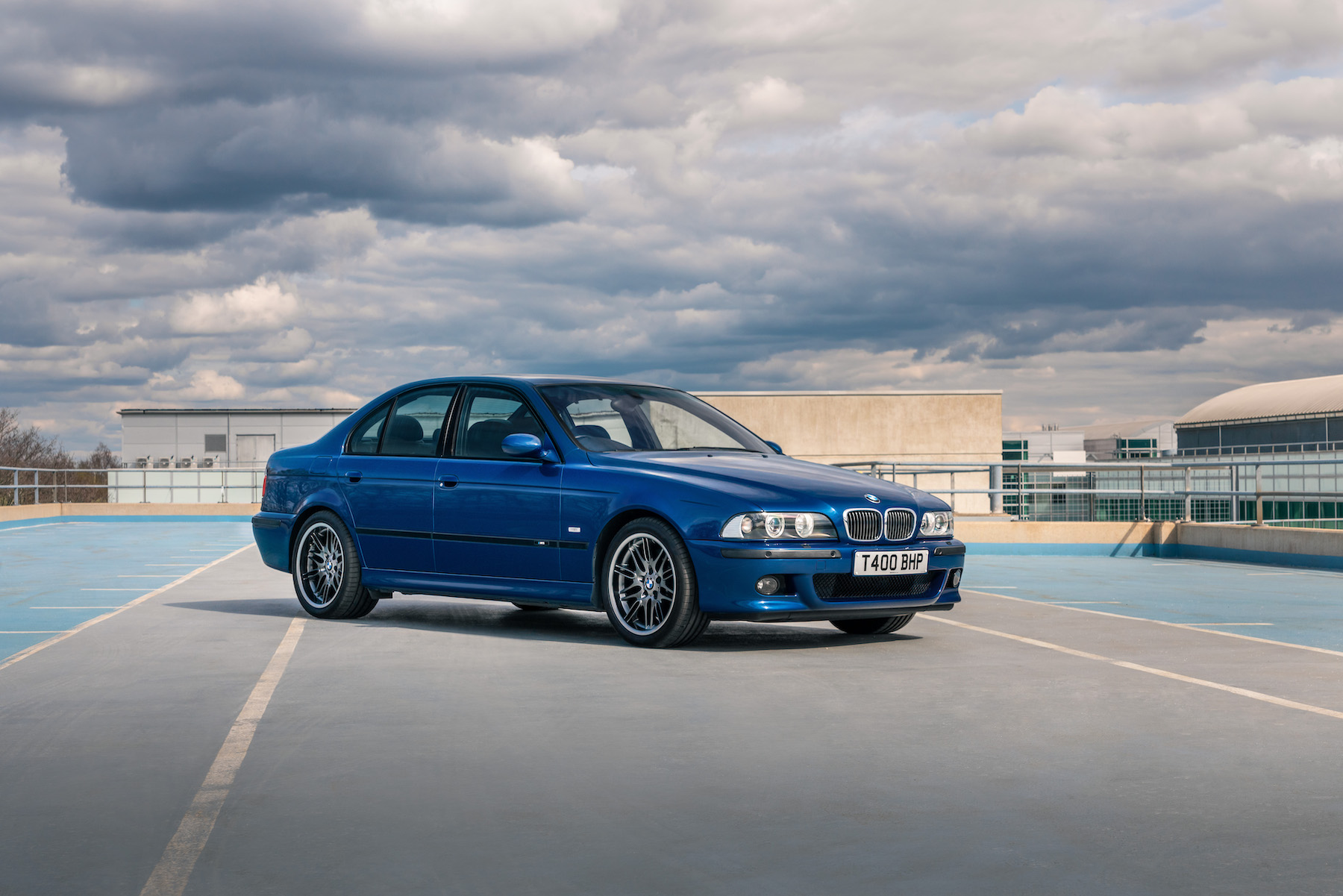
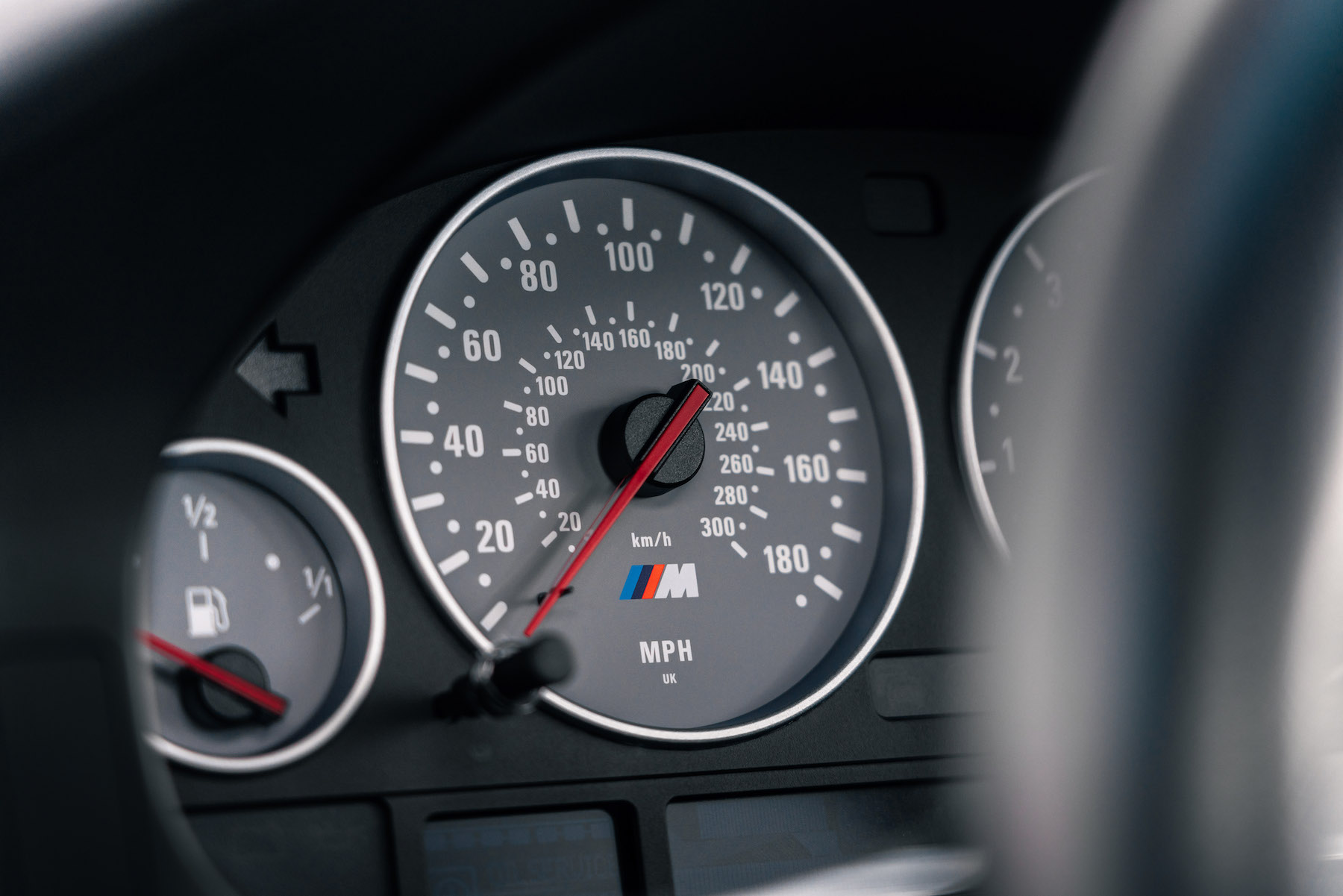
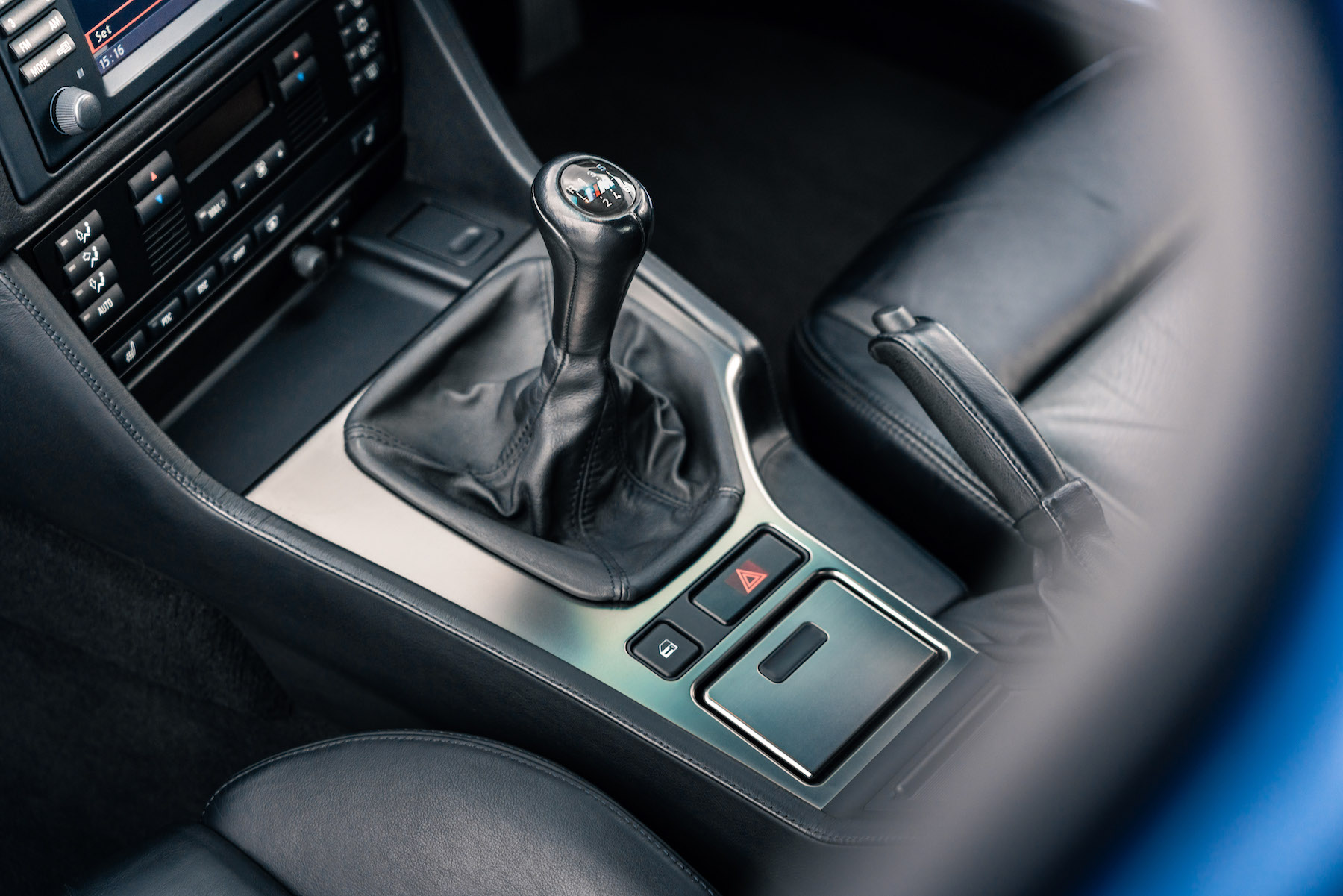

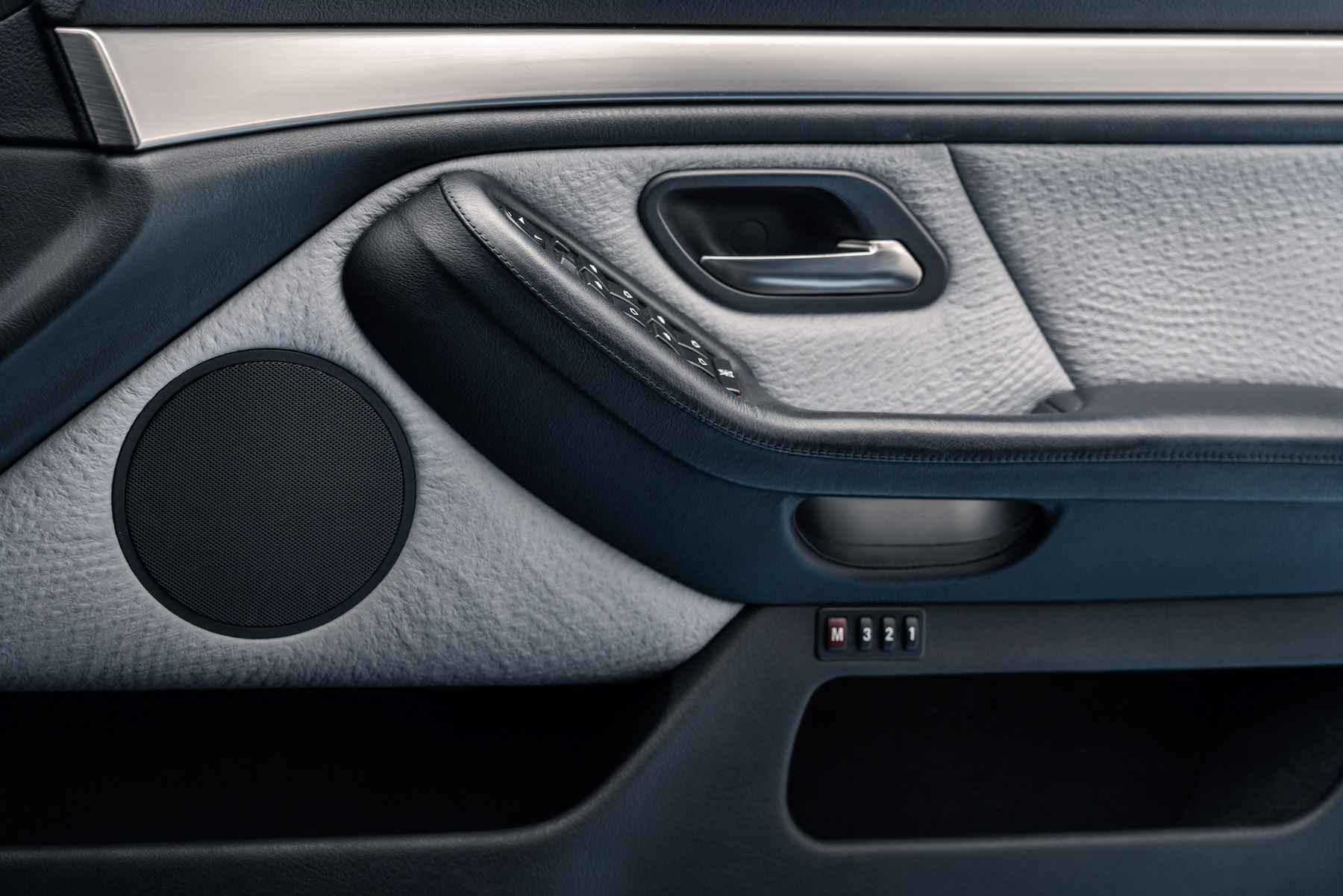
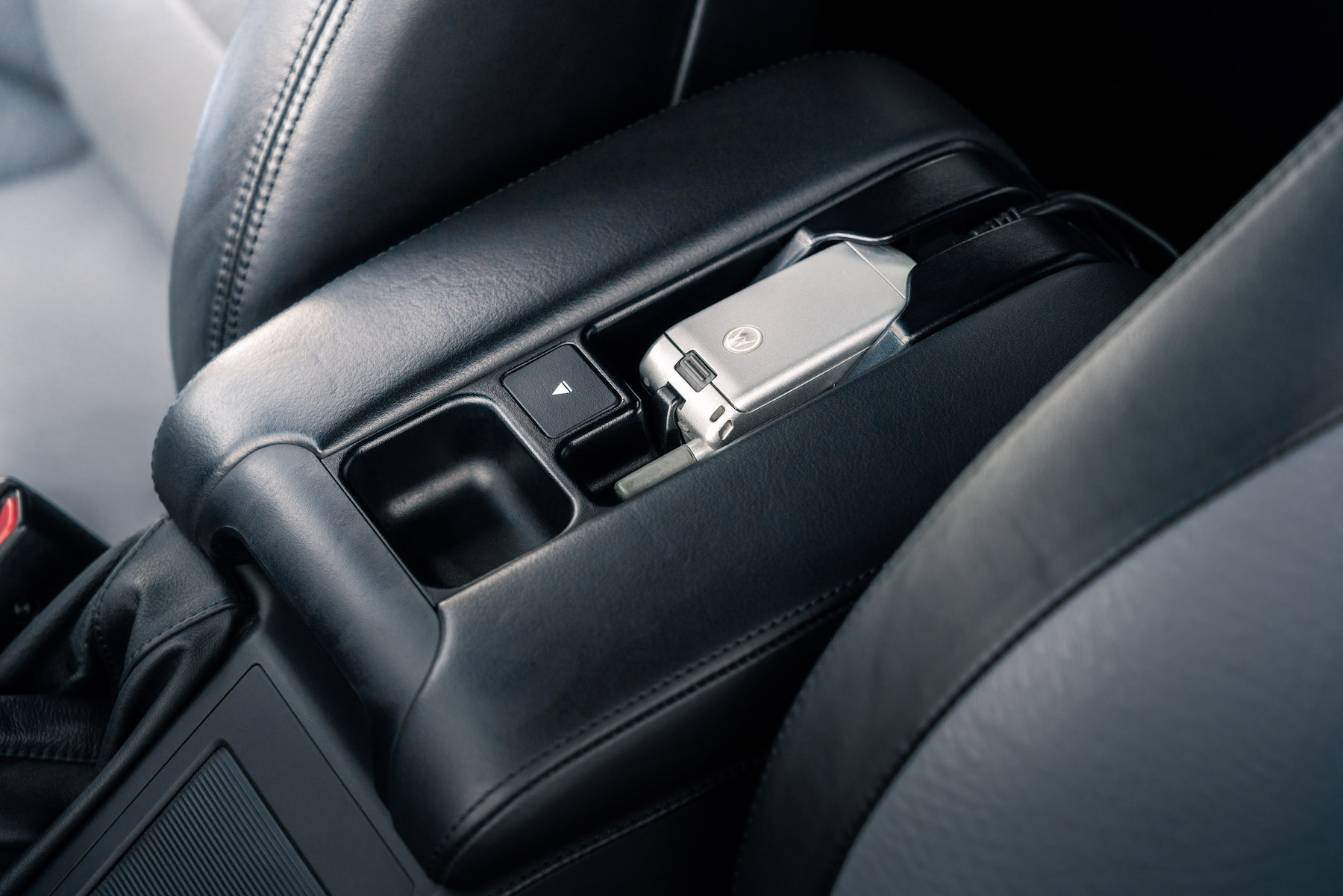

If there was a Jurassic Park for motor vehicles, then the one peering over the fence with malevolence in its eyes as you arrived would be the brutish BMW E39 M5.
The muscular four-door was among the last of a disappearing breed that once included 6.9-litre Mercedes-Benz sedans, Australia’s own GTHO Phase III, and more recently the HSV W427.
The mid-size BMW E39 5 Series had been available in Australia since 1995, but from launch until 1999 the most potent version was BMW’s 4.4-litre 540i with 210kW/440Nm and five-speed ‘Steptronic’ automatic transmission.
All that changed in 1999 when BMW rolled out the third generation of its potent M5 series sedans and wagons.
BMW had introduced the world to its take on a large four-door executive sedan that could run with the Porsches with its 3.5-litre, inline-six powered E28 M5, produced between 1984 and 1988.
Boasting a high-performance 24-valve six-cylinder originally developed for the legendary M1 supercar, the E28 M5 mustered outputs of 210kW/340Nm and could cover the 0-100km/h sprint in a blistering 6.5 seconds, on its way to a top speed of 245km/h; all while doubling as a versatile and comfortable executive sedan.
Despite building only 2241 units over the car’s four-year lifespan, BMW knew it was onto a good thing and followed the E28 M5 almost immediately with the E34 M5 in 1988.
Like its predecessor, the E34 was hand-assembled in Germany and started life with an updated version of its predecessors 3.6-litre inline six-cylinder, punching out a more muscular 232kW/360Nm. It was later upgraded to 3.8-litre capacity and 250kW/400Nm for the 1992 model year.
The E34 M5’s 0-100km/h sprint initially shaved two-tenths of a second off the E28’s and bumped the Vmax to 250km/h, with the 0-100km/h sprint falling again to 5.9 seconds with the introduction of the larger capacity engine.
The E34 is significant in being the first M car to be launched with a Touring variant in the lineup, with the wagon making up just 891 units of the 12,254 vehicles produced between 1988 and 1995.
It was also the first M5 to be officially sold in Australia, with around 90 units finding their way here between the car’s on-sale in 1990 and the arrival of the third-generation M5, the E39, in 1999.
The E39 M5 had been launched the previous year at the 1988 Geneva motor show where it caused something of sensation for being the first M5 to feature a V8 engine. The car’s 4.9-litre naturally aspirated V8 produced a mighty 294kW/500Nm, firing the big Beemer from rest to 100km/h in a claimed 5.3 seconds, on its way to a top speed of 250km/h.
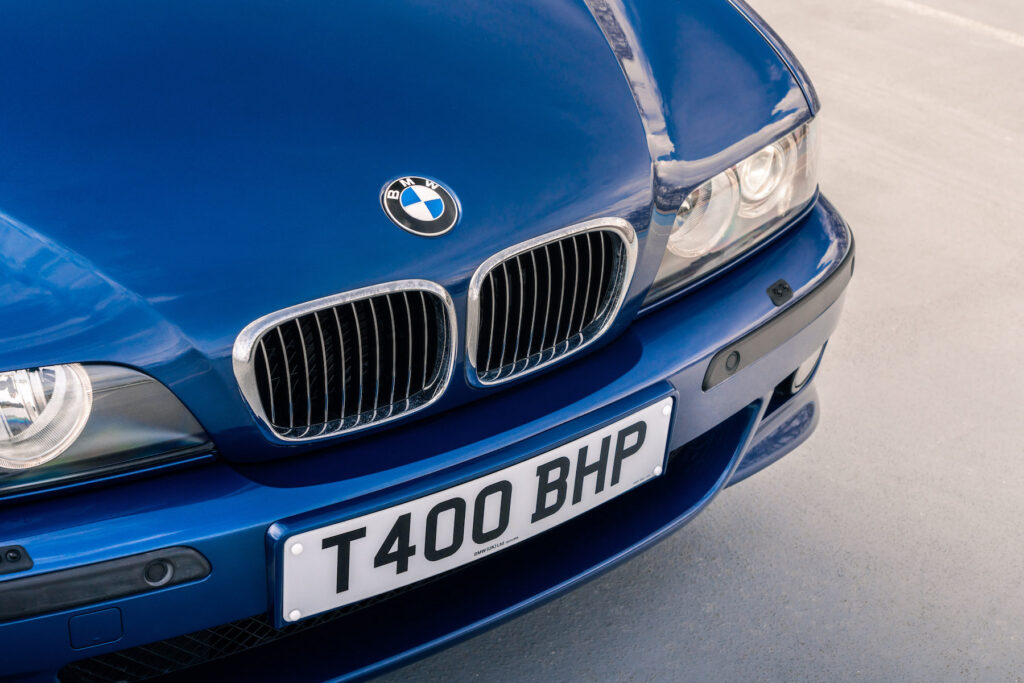
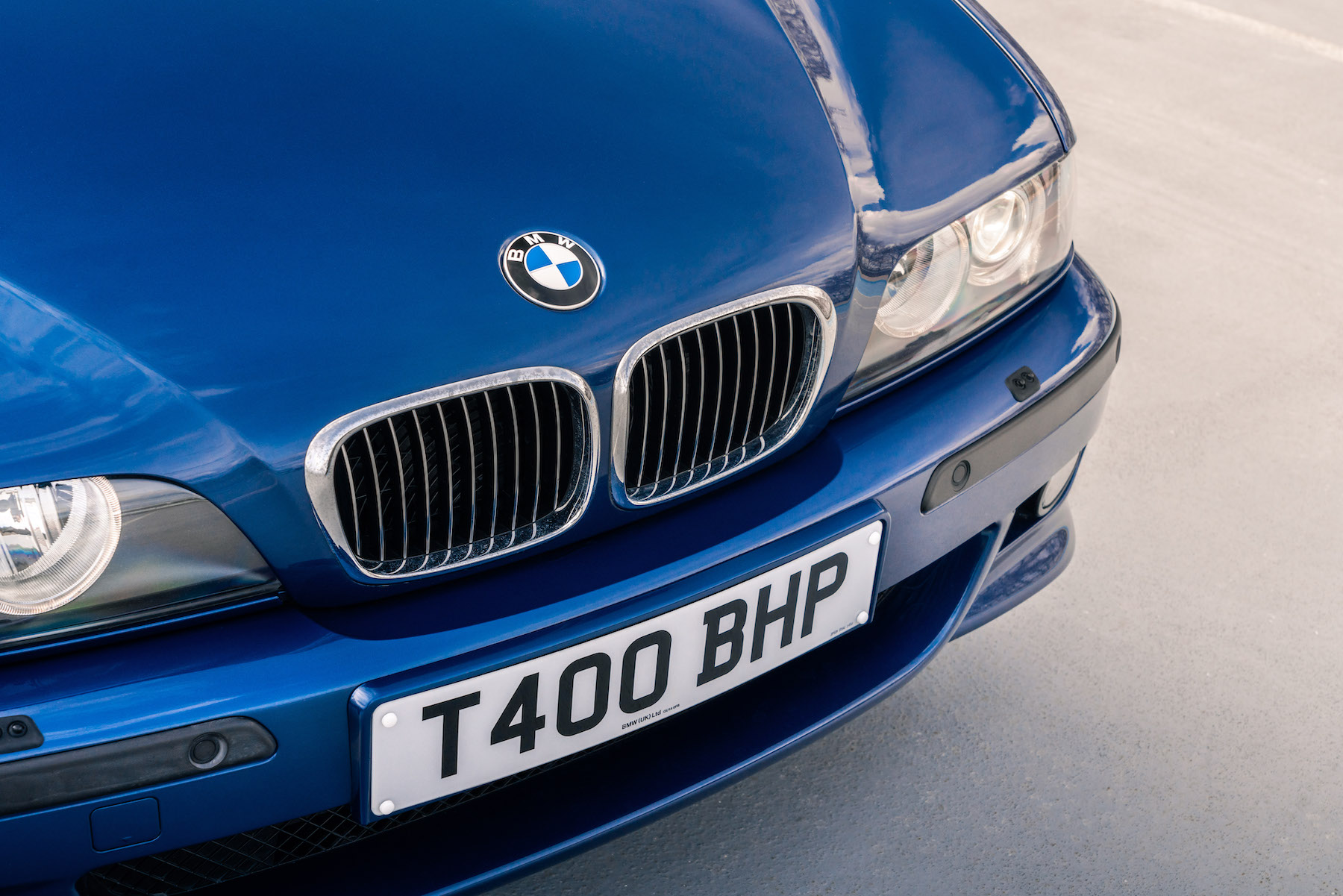
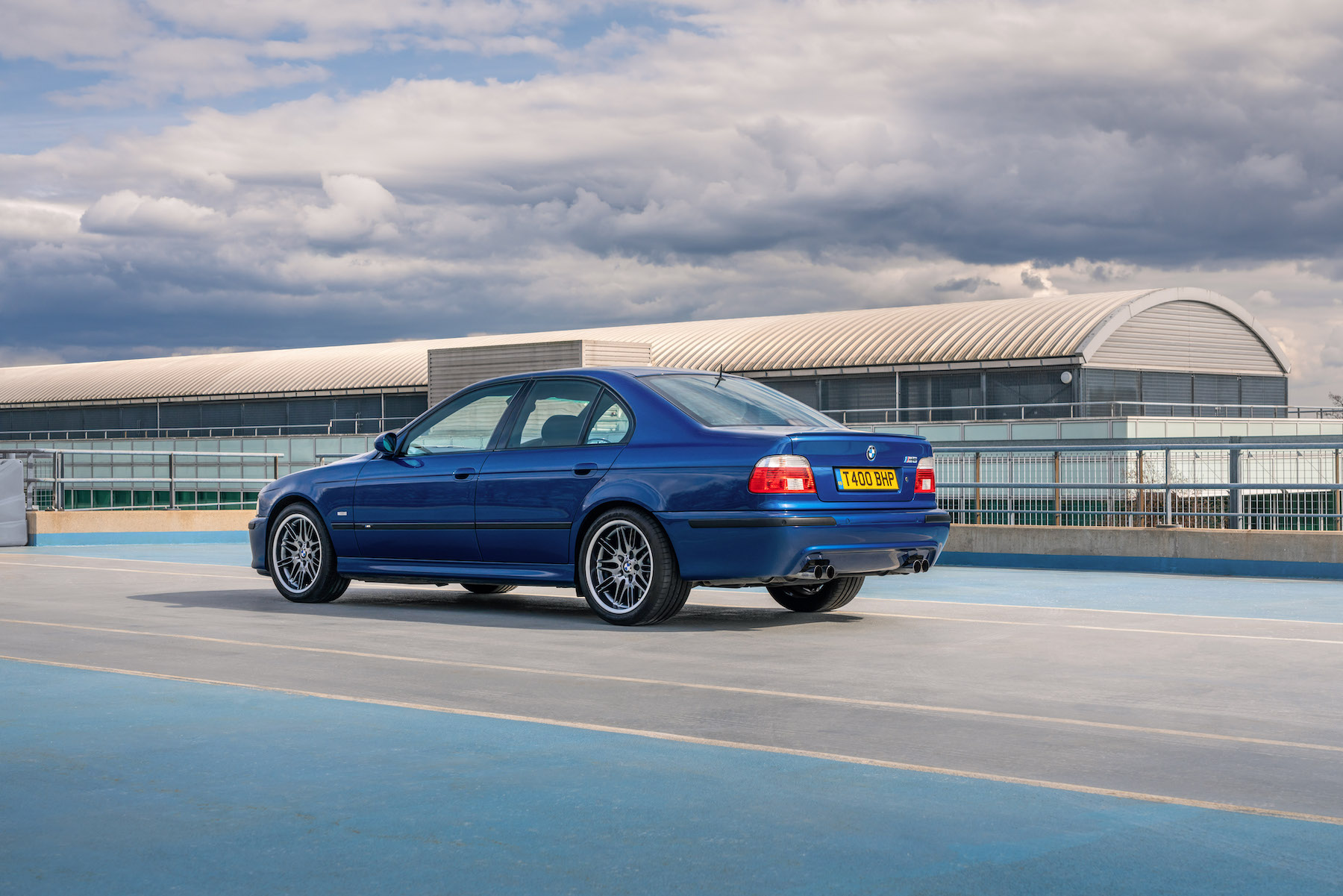
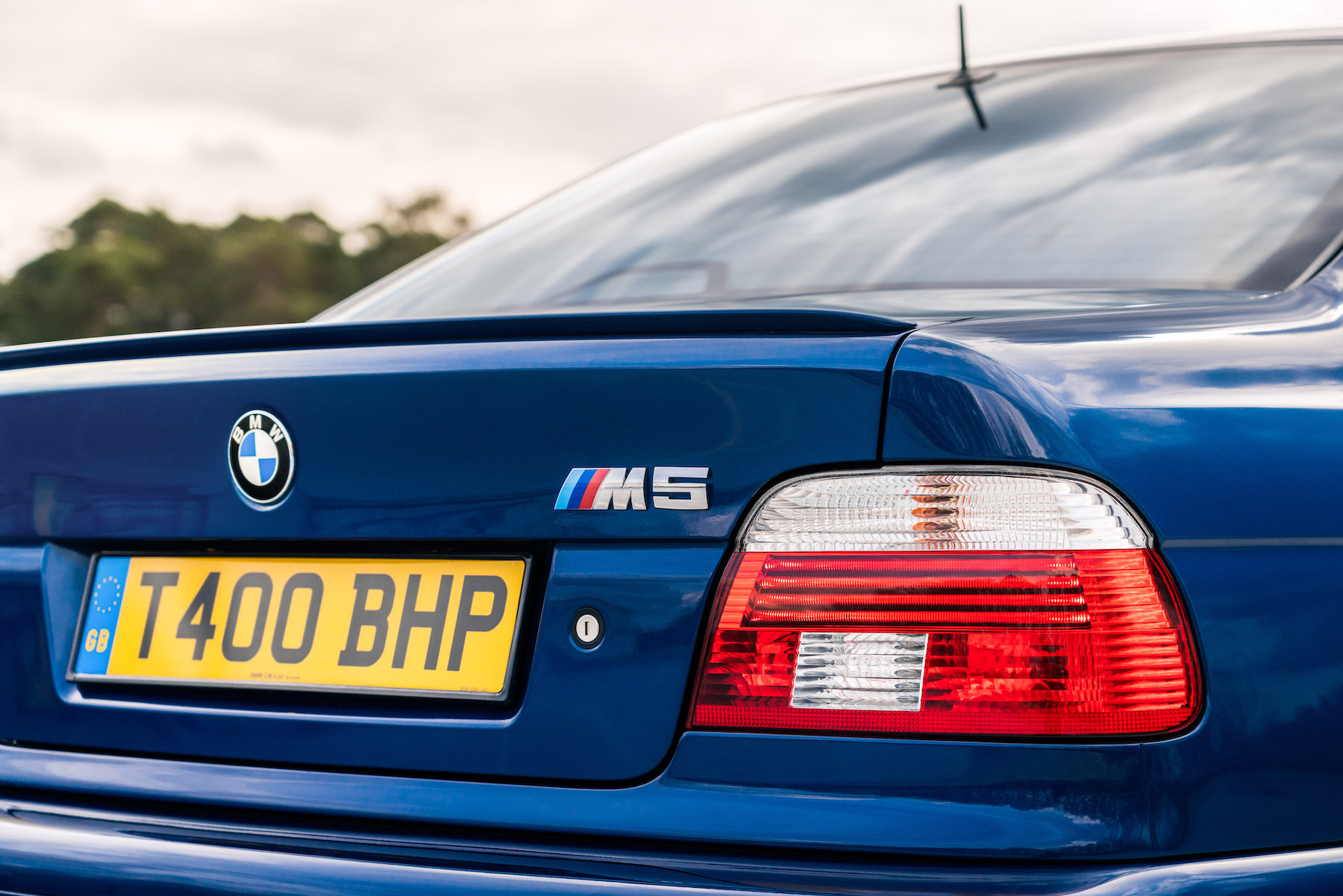
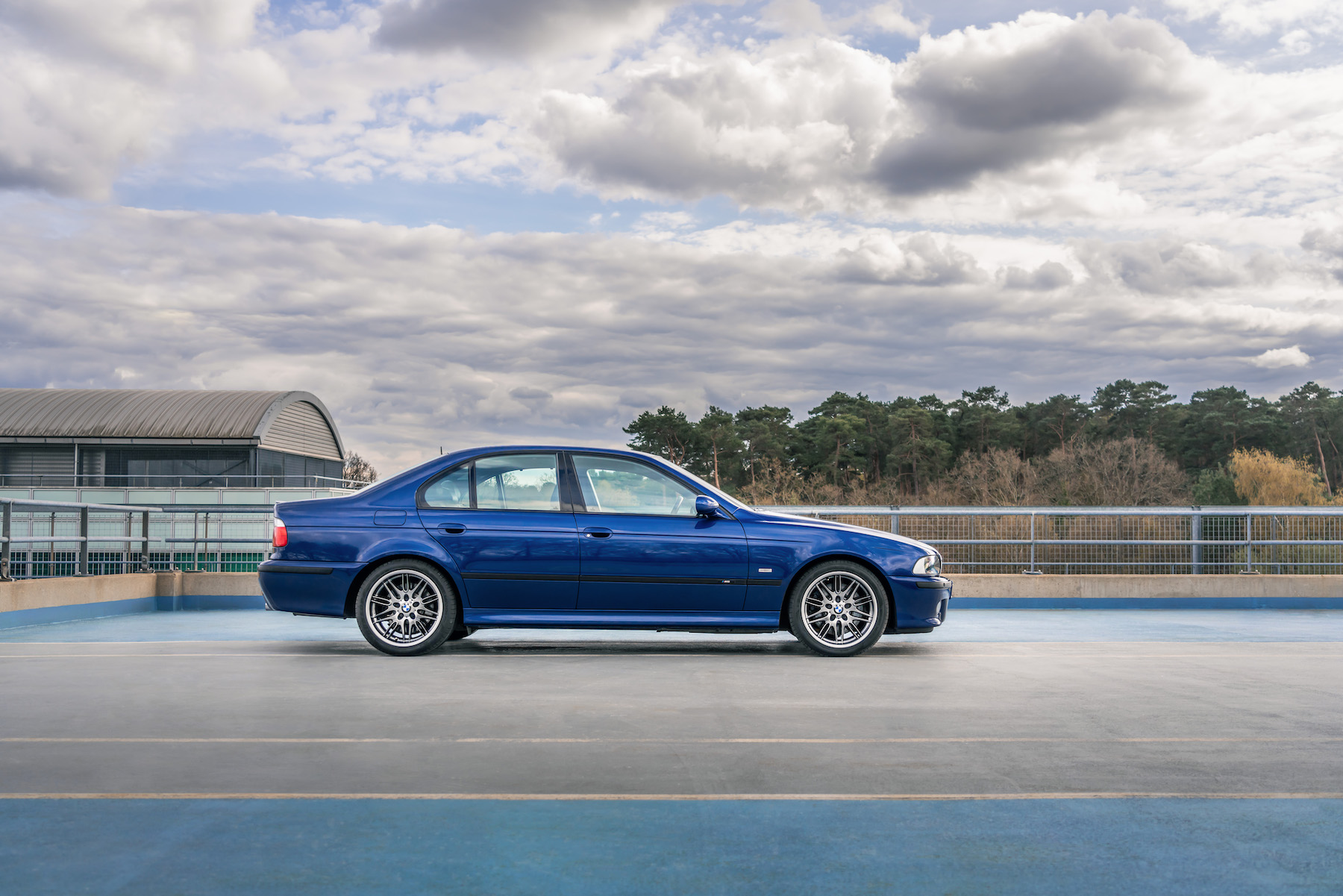
The M5 shared the same core body shell as regular E39 5 Series models, so was virtually identical dimensionally, but sat lower and looked more menacing thanks to a deeper front spoiler, subtle side skirts, and a wider rear track that housed massive 275/35R18 rubber.
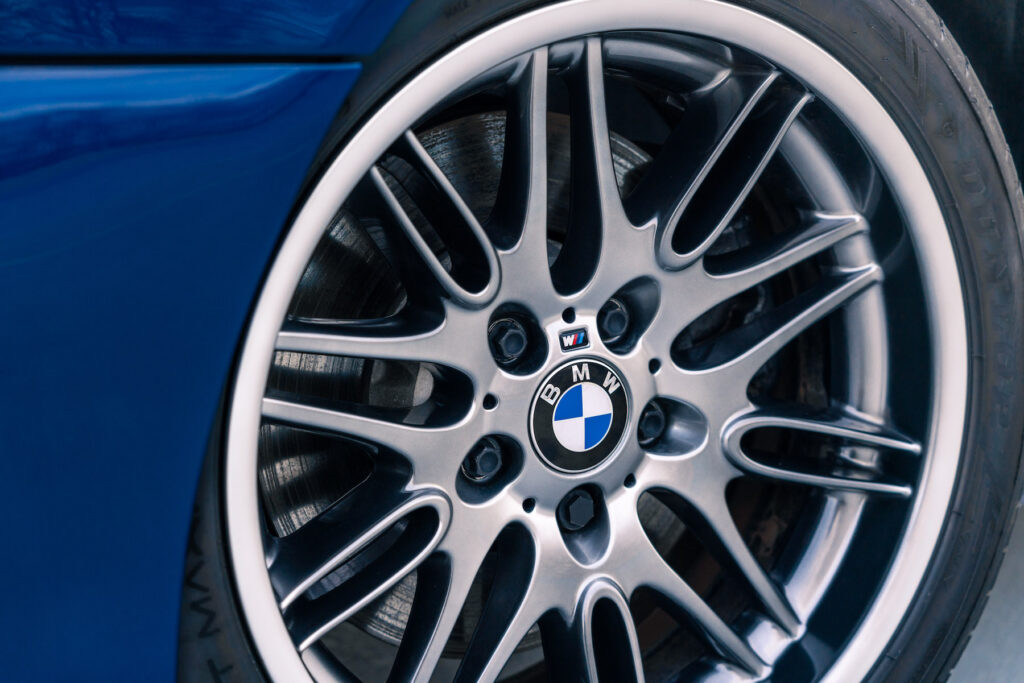
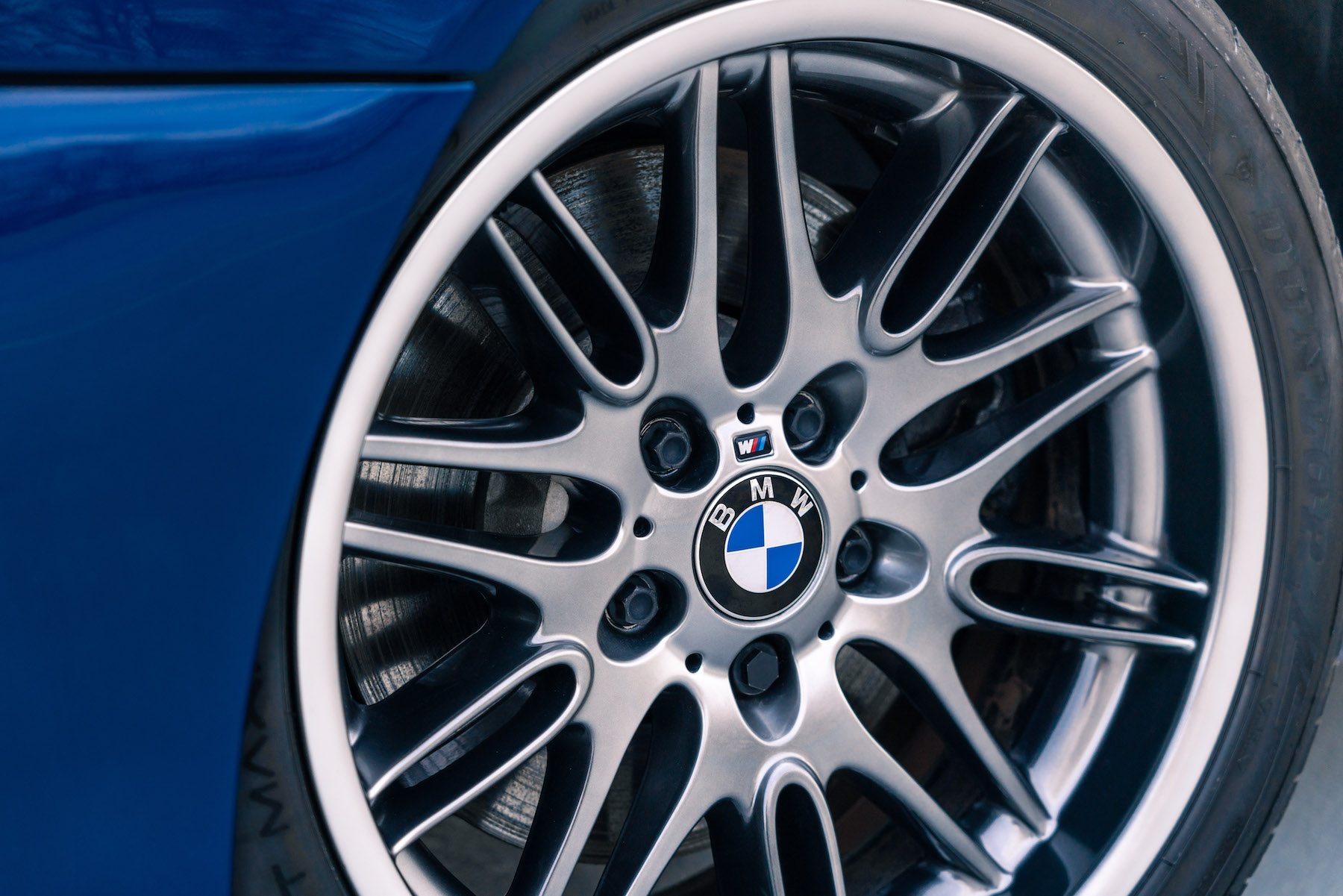
Up front, the Style 65 rims with distinctive ‘hollow-spoke’ design wore 245/40-section tyres, with handling aided by suspension upgrades that included shortened, thicker coil springs with revised bushings, thicker anti-roll bars and M5-exclusive Sachs dampers.
With all that grunt and a hefty 1795kg kerb weight the E39 M5’s brakes had to be up to the task and BMW obliged by fitted generous 354mm (front) and 328mm (rear) ventilated discs with two-piston callipers in all markets except the USA and Canada.
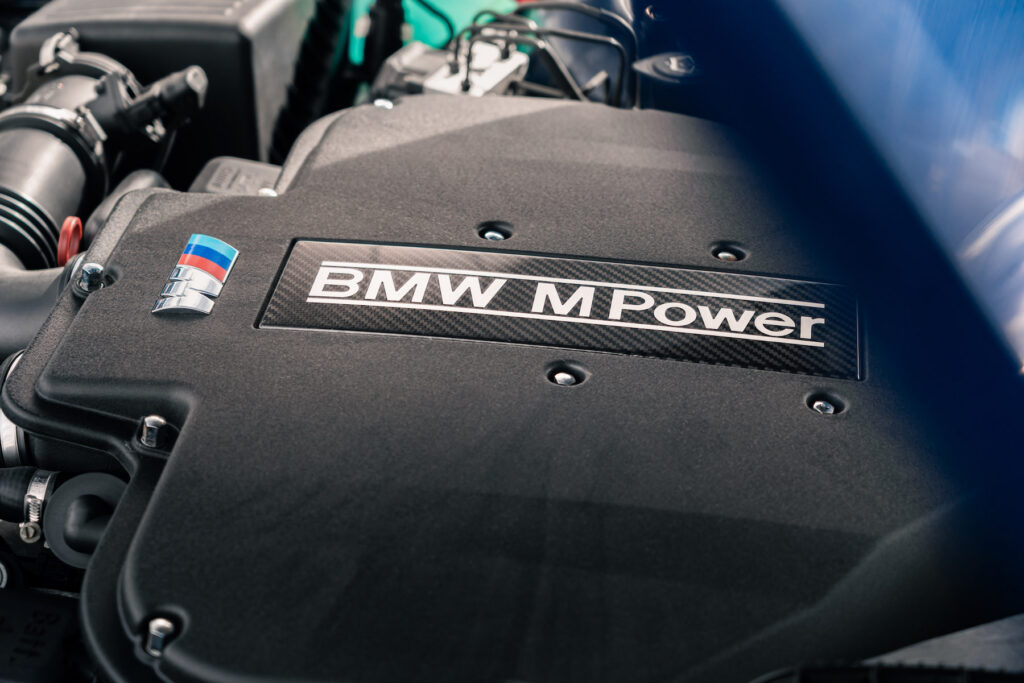
Under the bonnet the epic M-enhanced V8 displaced 4941cc, using a special crankshaft to increase the stroke and sustain reliability at high rpms. Each cylinder-head housed two camshafts operating a total of 32 valves using double-VANOS variable valve timing.
Other motorsport-inspired tweaks for the mighty mill from BMW’s M division include electronically-actuated individual throttle bodies, an aluminium block and heads, and a semi-dry sump oil system.
Despite its sizeable capacity (BMW calls it the brand’s first 5.0-litre capacity engine) the muscular V8 spins easily and eagerly, its peak 294kW arriving at a thrilling 6600rpm, with the full 500Nm of muscle from 3800rpm.
To feed its complex assortment of moving parts, radial force-controlled oil siphoning created a semi dry-sump system, with electrically controlled pumps, one per bank, to maintain pressure.
Throttles under normal conditions opened within 120 milliseconds of the driver flooring the accelerator pedal, but with M-Dynamic driving control enabled, the response was even faster.
This system would also sharpen response from the hydraulic Servotronic steering system, minimising the distance a driver needed to turn the wheel and reducing assistance in low-middle speed ranges.
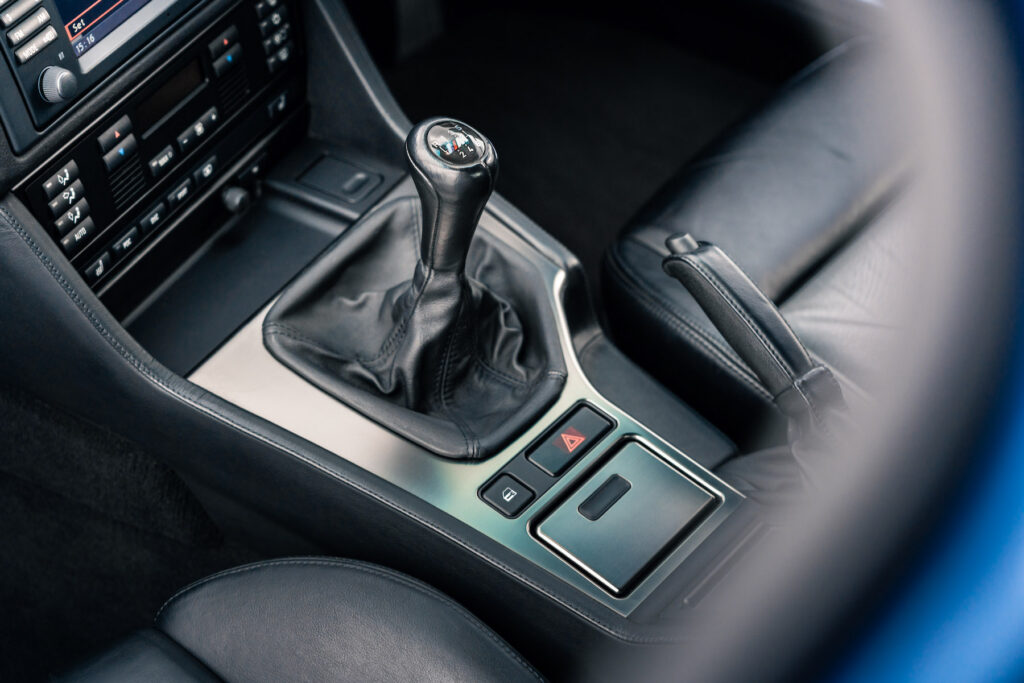
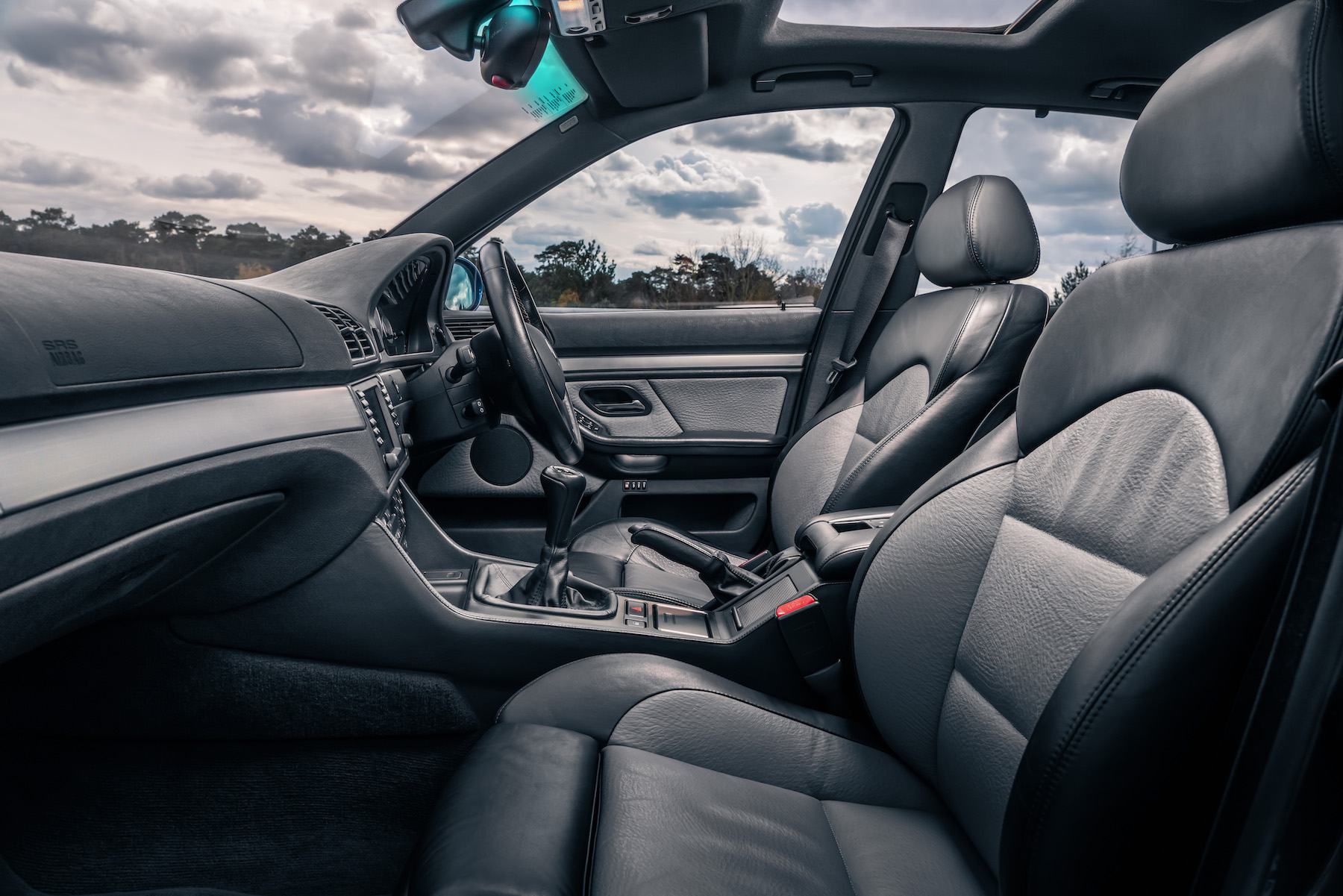
A Getrag 420G six-speed manual was the only transmission available to E39 M5 buyers. It’s the same unit fitted to the E39 540i, but the M5 gained a beefed-up clutch to handle its extra output.
Wheelspin is moderated by BMW’s Dynamic Stability Control. For drivers wanting to test their mettle on a racetrack, the DSC could be disabled entirely; a move not recommended on damp surfaces or public roads.
With traction control left in ‘nanny’ mode and on a dry surface, Wheels magazine in September 1999 saw an M5 surge from 0-100 km/h in 5.7 seconds and cover the 0-400 metres in 13.8.
Over at in-house rival Motor magazine, the lads managed an even sharper 5.19 second 0-100km/h sprint, presumably with traction off, while despatching the 0-400m dash in 13.46 secs at 172km/h. The E39 M5’s rolling acceleration was also especially attention-grabbing, with Wheels recording 80-110km/h in third in a mere 2.8 seconds.
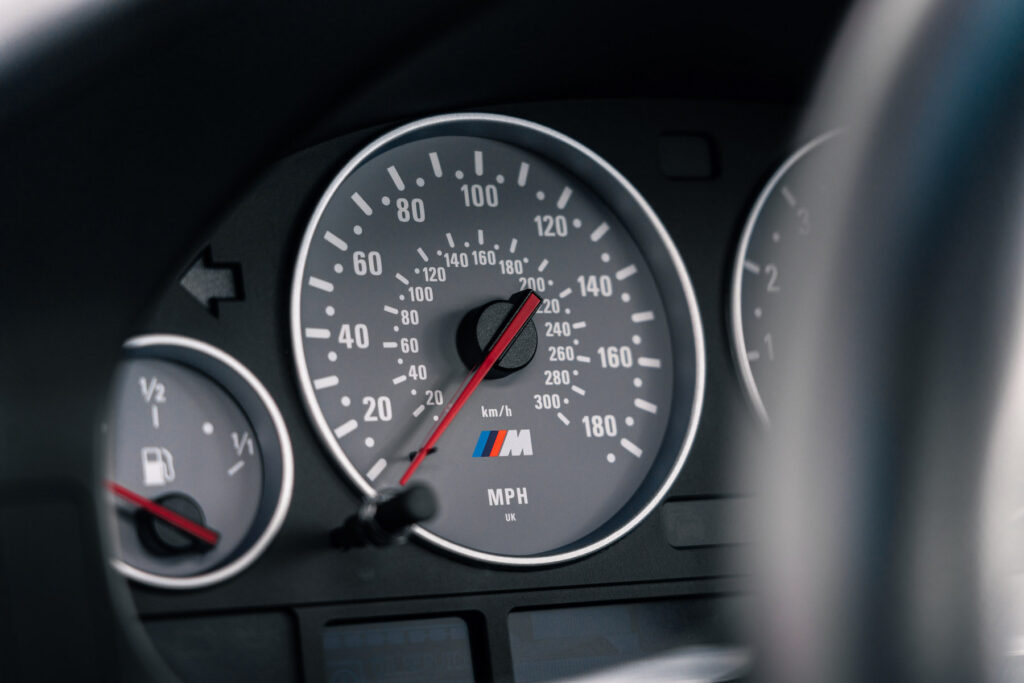
Watching the clock as you run through the gears, the E39 M5 hits 59km/h in first before head-butting the 6600rpm redline, followed by shift intervals every 50km/h or thereabouts; 2nd at 100.3km/h, 3rd at 150.5km/h, 4th at 204.6km/h), with 5th and 6th both topping out at the electronically limited 250km/h.
Over the course of a four-year production run between 1999 and 2003 almost 18,000 E39 M5s were built for Europe and the USA against a total 2595 for right-hand drive markets including Australia.
Local registration statistics from the era don’t separate the M5 from other 5 Series models but there were likely fewer than 300 sold here when new. That’s partly down to the fact that at launch the M5 cost a hefty $198,500, with options easily pushing the showroom price above $220,000.
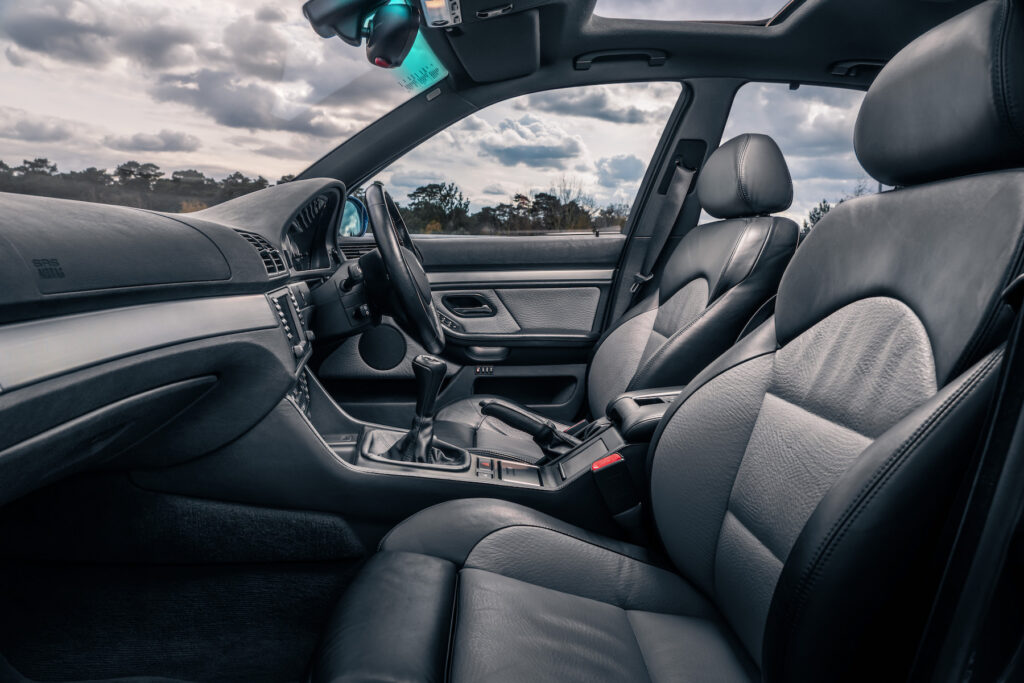
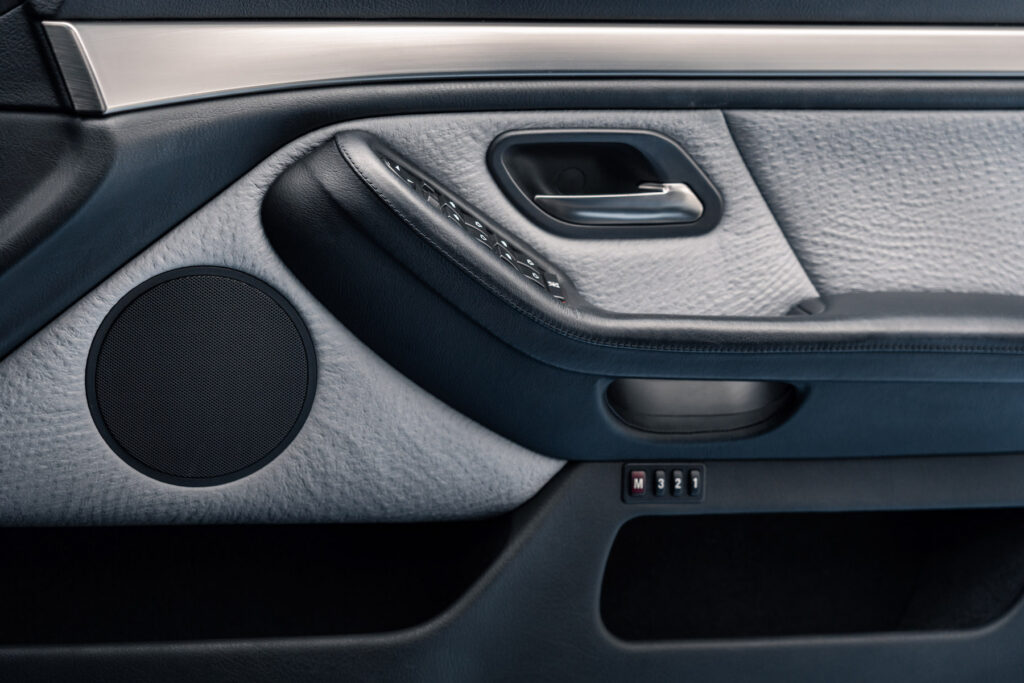
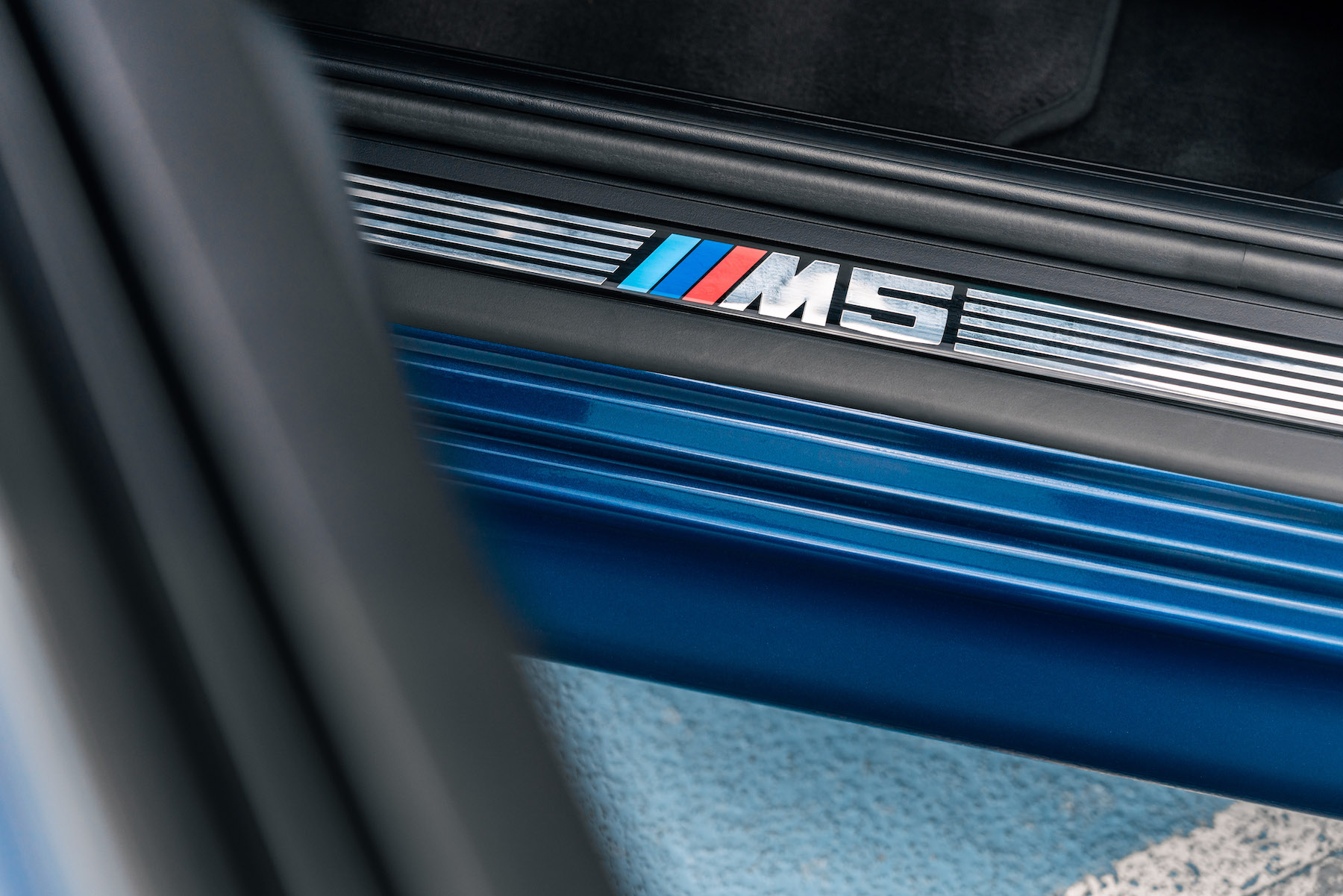
For that, buyers got a very nicely turned-out machine featuring bolstered seats clad in tasteful Nappa leather, with the option to choose a ‘Complete Leather Interior’ option that extended the cowhide covering to the glovebox, B-pillars, centre console and door panels, with the hood-lining in suede-like Alcantra.
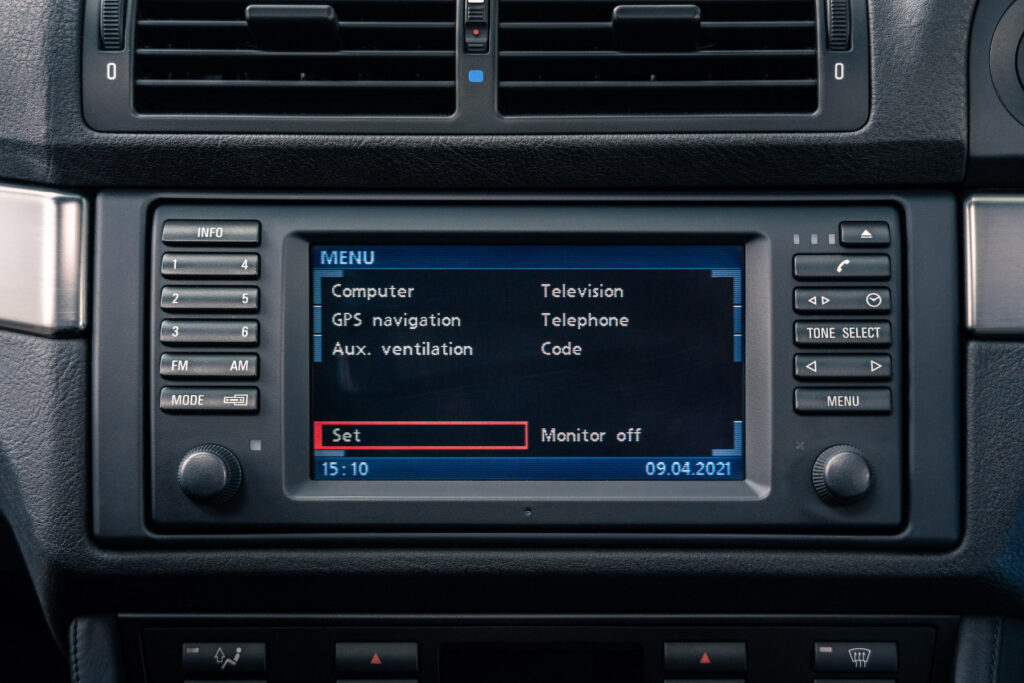
A major change accompanying the 2001 facelift was availability of an integrated Navigation system with 6.5-inch screen display. Optional as well from 2001 was front and rear Park Distance Control.
Cars that have spent their entire lives in Australia and come with complete service histories offer the safest route to M5 ownership. They will also be more expensive than British or Japanese-sourced imports.
The E39 M5’s M62 V8 is an exotic piece of kit and a full engine rebuild can be double the purchase cost of some of the lower-priced examples around. Be sure to organise a pre-purchase inspection by someone who knows their way around these cars and who can identify neglected maintenance issues that will limit engine life.
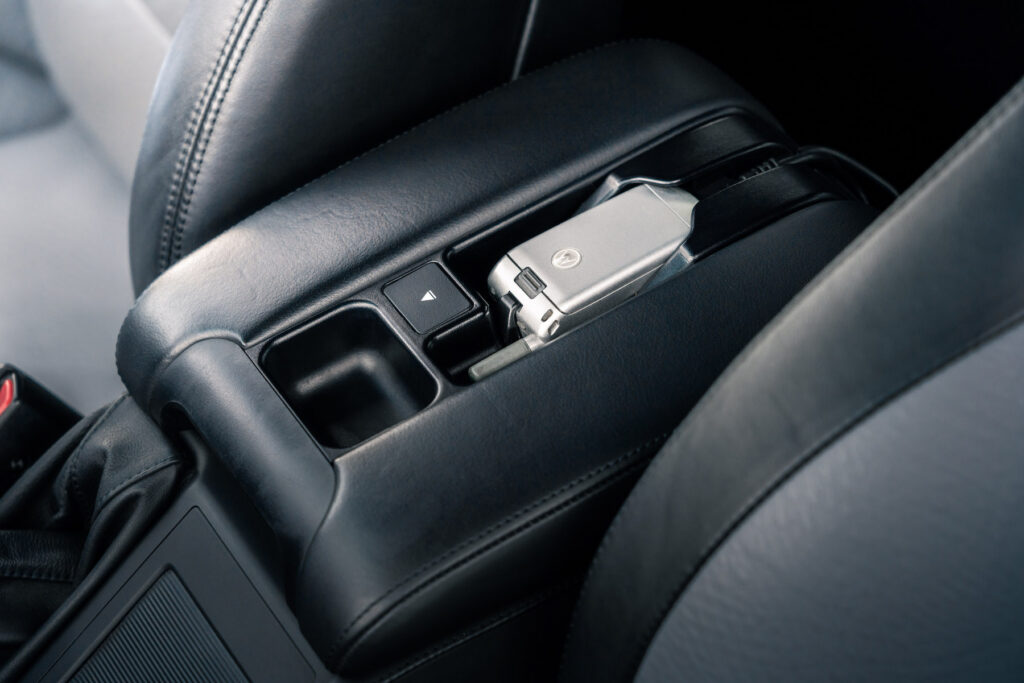
Interior condition is significant as well, with scuffed, faded and cracked seats a timely visual clue to previous owners’ regard for the car. BMW components are of undeniable quality, but all the gadgets and devices found in an E39 cabin have been now been there for more than 20 years, so budget to replace some of these parts at some stage.
Things to Watch Out for When Buying a Used BMW E39 M5 (1999-2003)
- A complete service history is imperative, as is an engine number matching the build documents to ensure the engine hasn’t already been replaced.
- Operation of the M5’s double VANOS is affected by poor oil quality or debris affecting solenoid operation. Clattering like a diesel at idle and sluggish acceleration are indicators of VANOS issues.
- In common with early Jaguar V8 engines, the M62 used plastic timing chain guides which over time become brittle and allow the chains to come loose. Check service history to confirm replacement.
- Clutch life is 120,000-140,000km so expect a big bill in the future if the car has travelled further than that on its original clutch.
- Check that all regularly-used systems including windows, door locks, stereo, air-conditioning and seat adjustments work.