
For Australian car enthusiasts, you’ll find some of the most hallowed ground in this country on a secretive plot of land in the Victorian countryside.
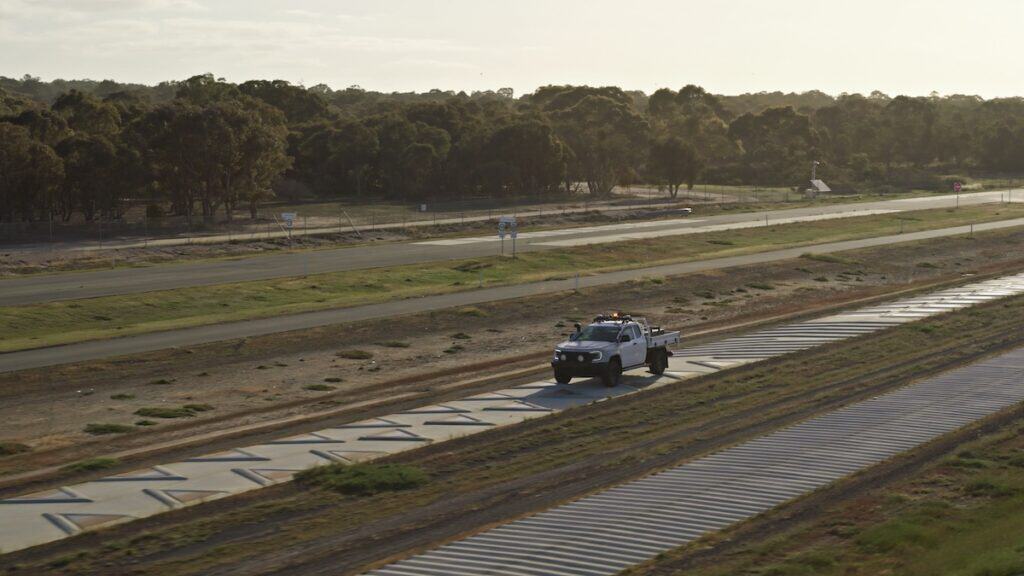
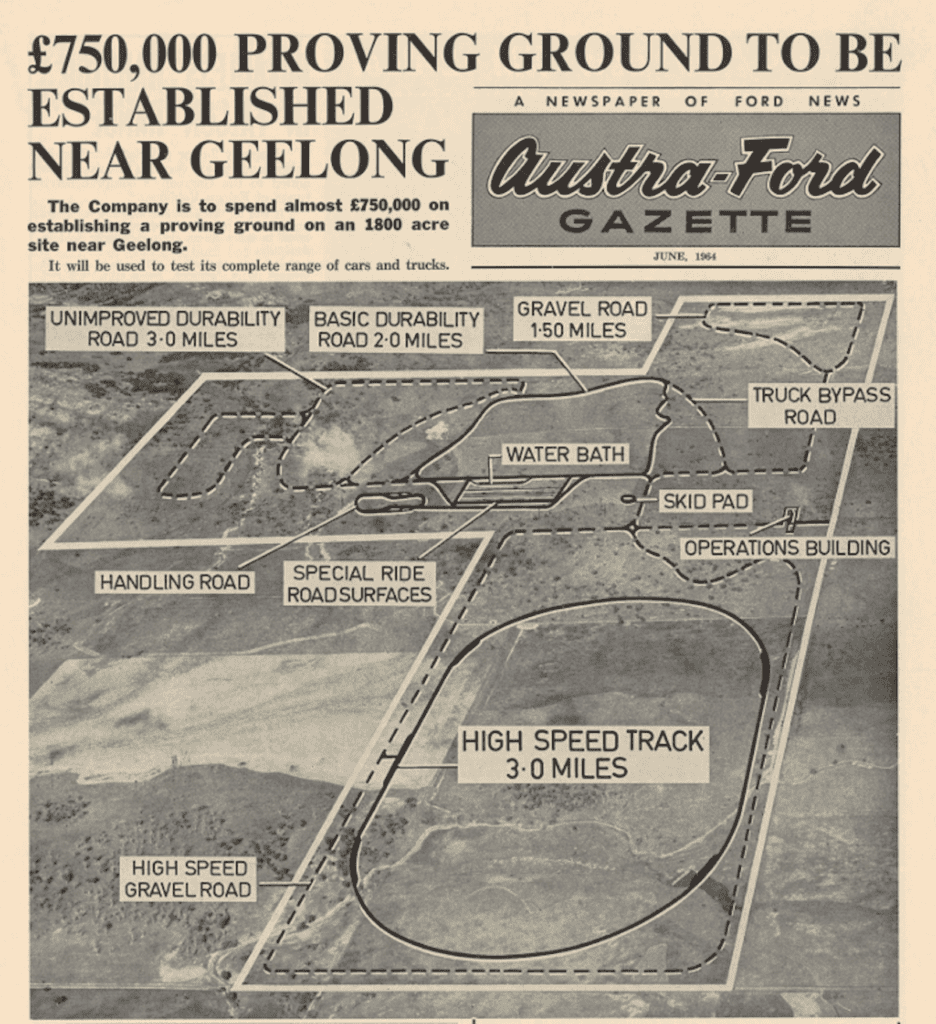
Located between Geelong and Melbourne, around 20 minutes from Avalon Airport, Ford Australia’s You Yangs Proving Ground remains one of the most important pieces in our country’s automotive industry – even after local mass-market vehicle production has long since ended.
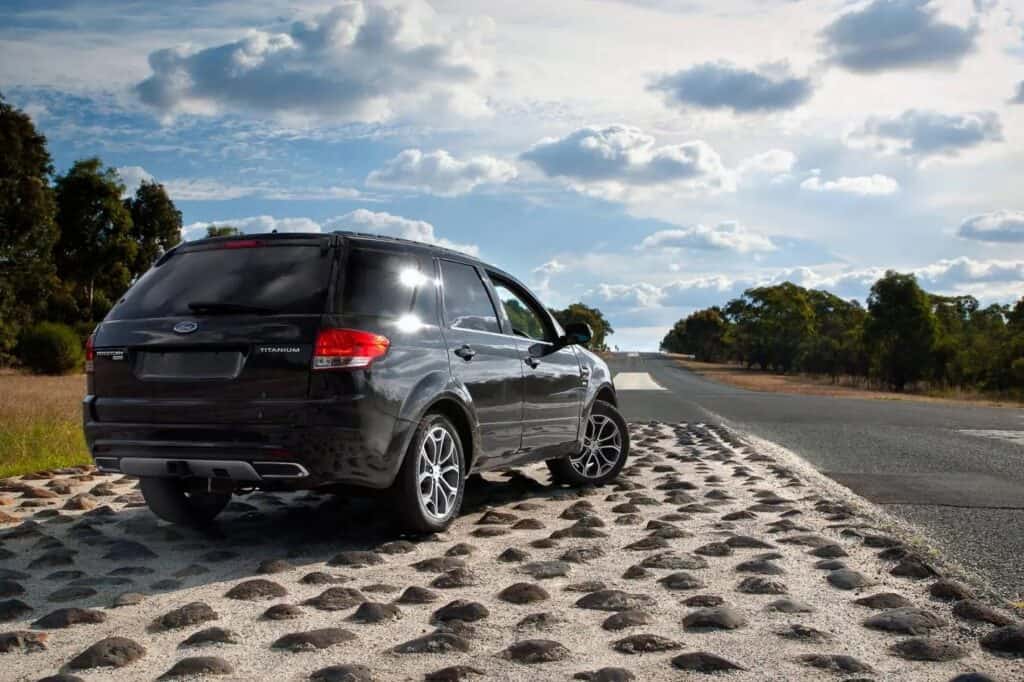
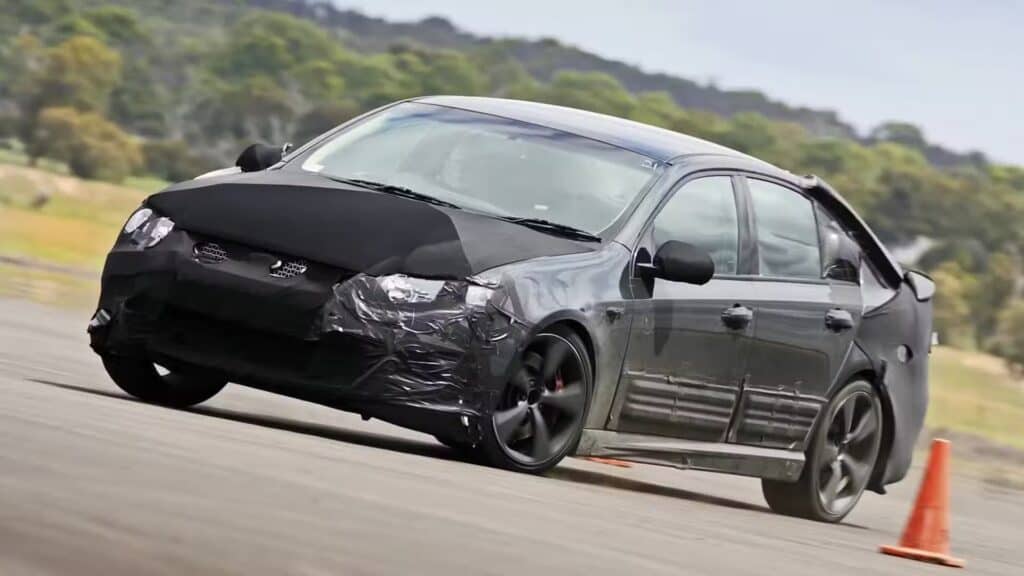
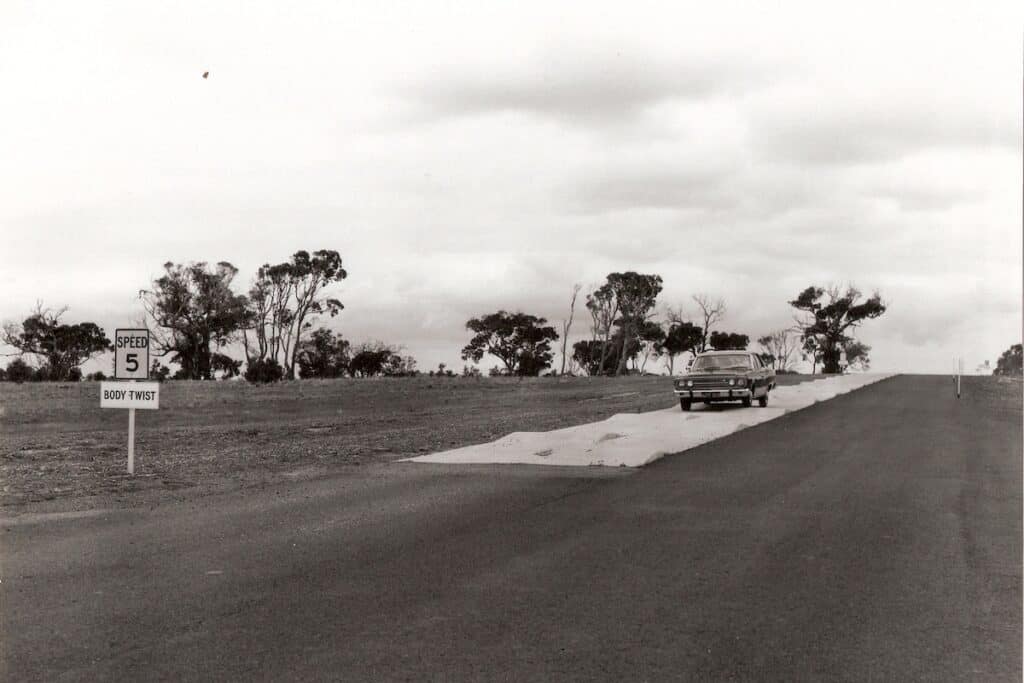
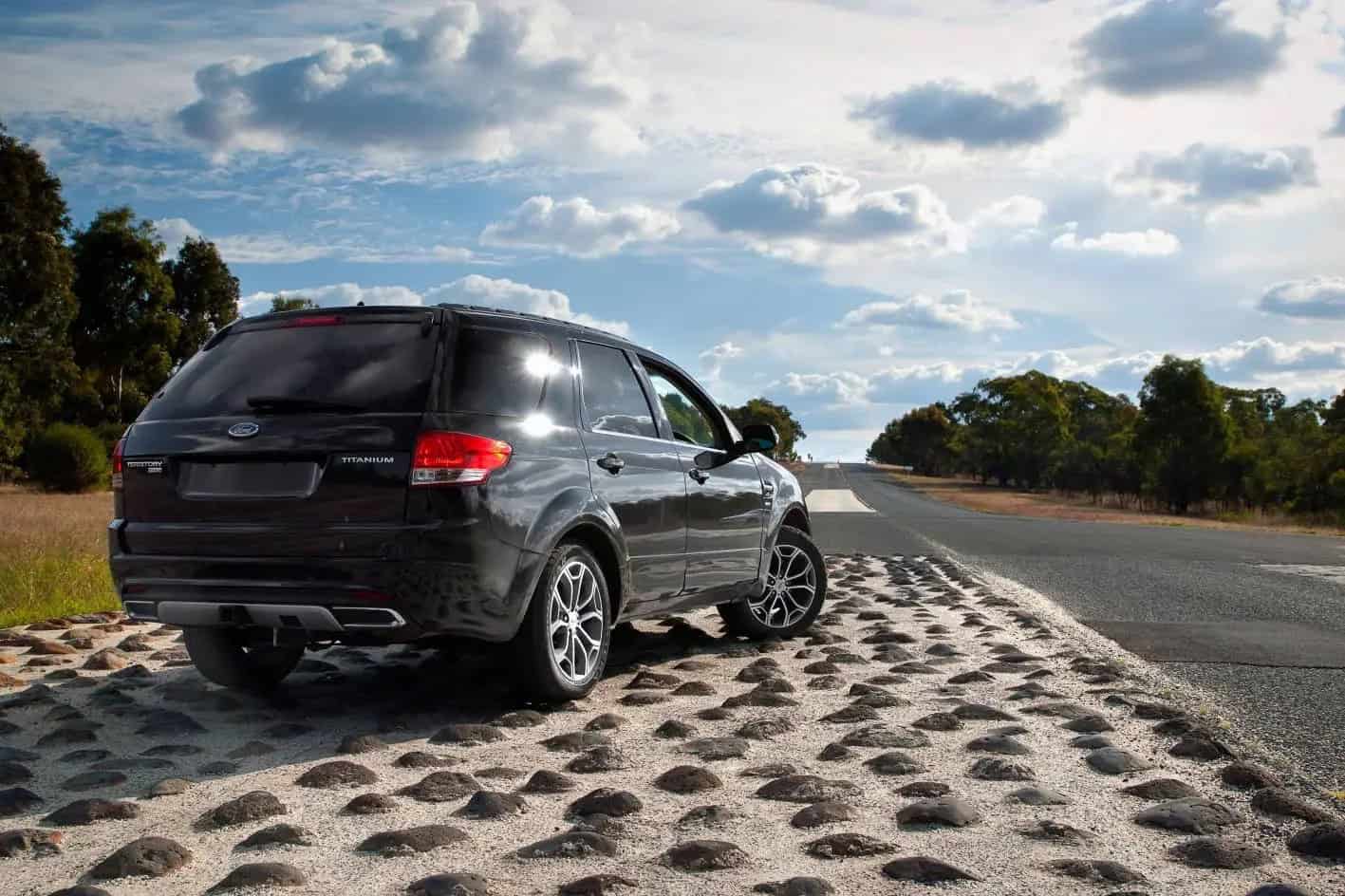
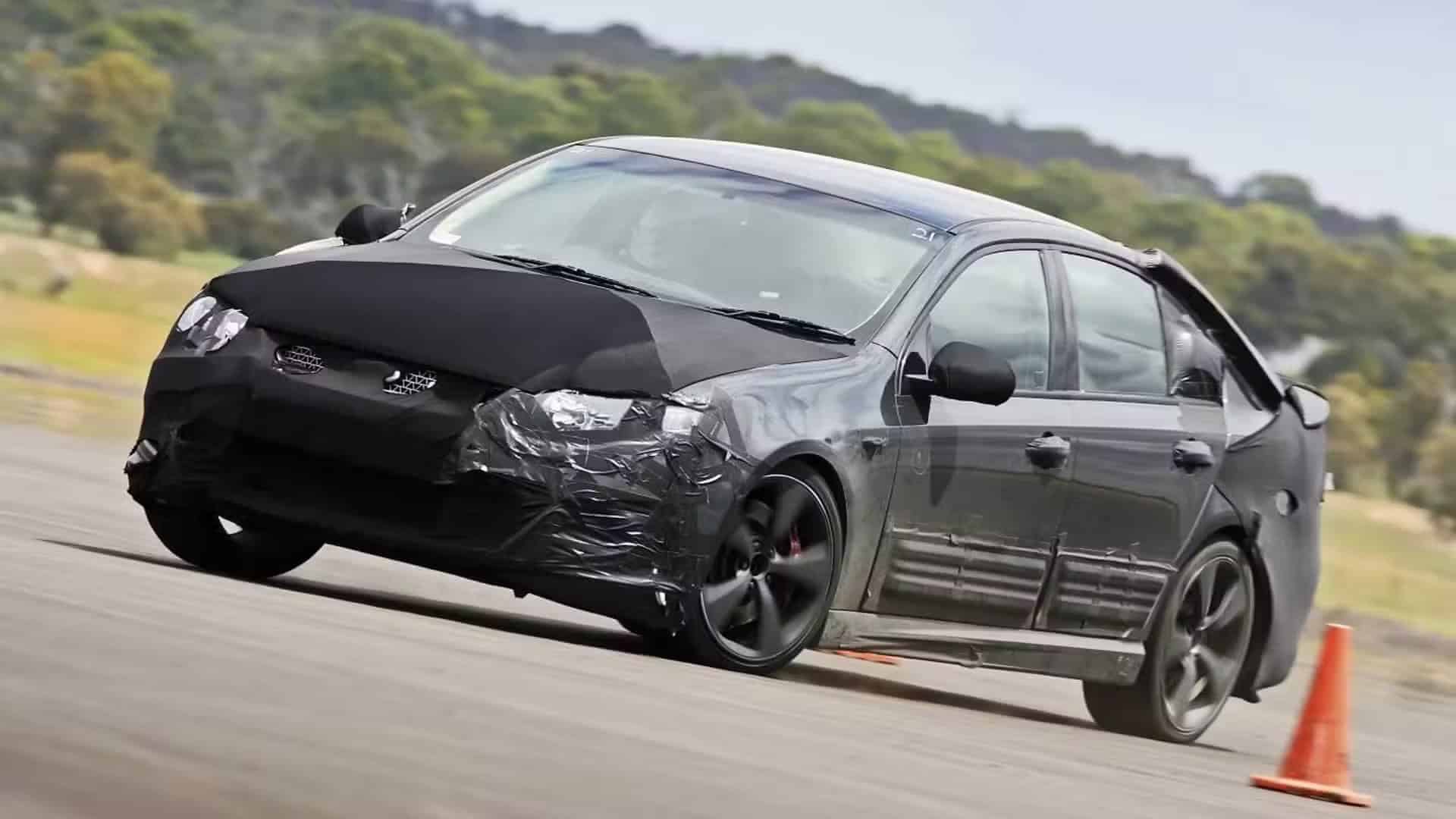
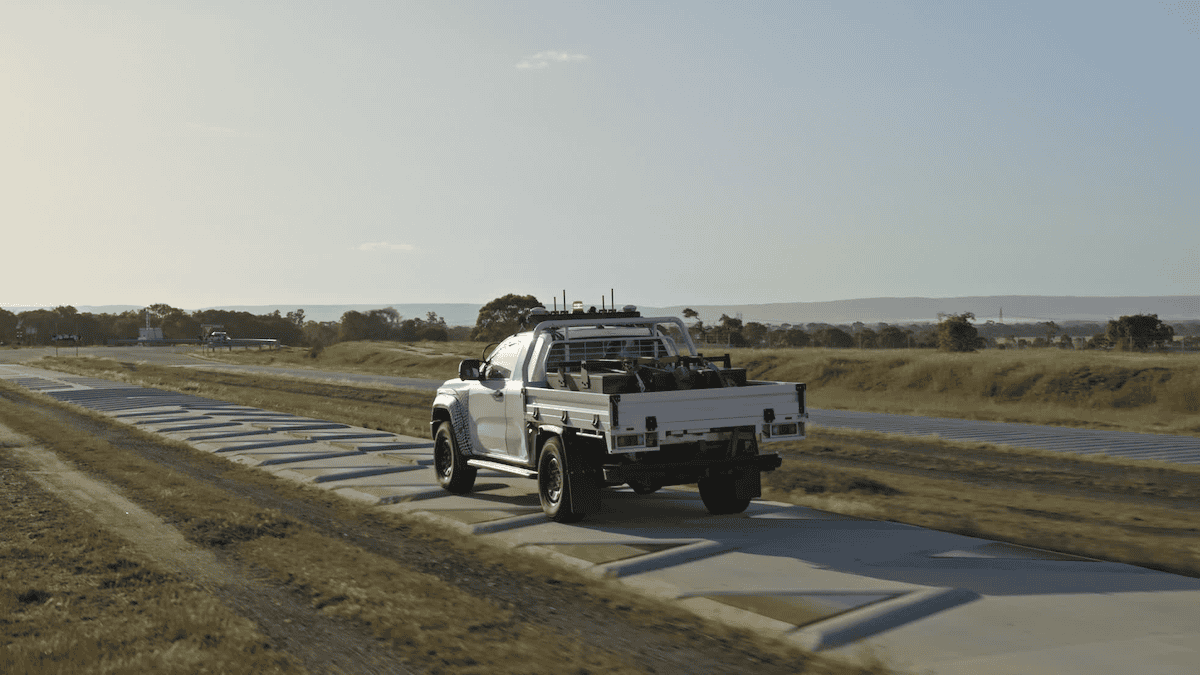
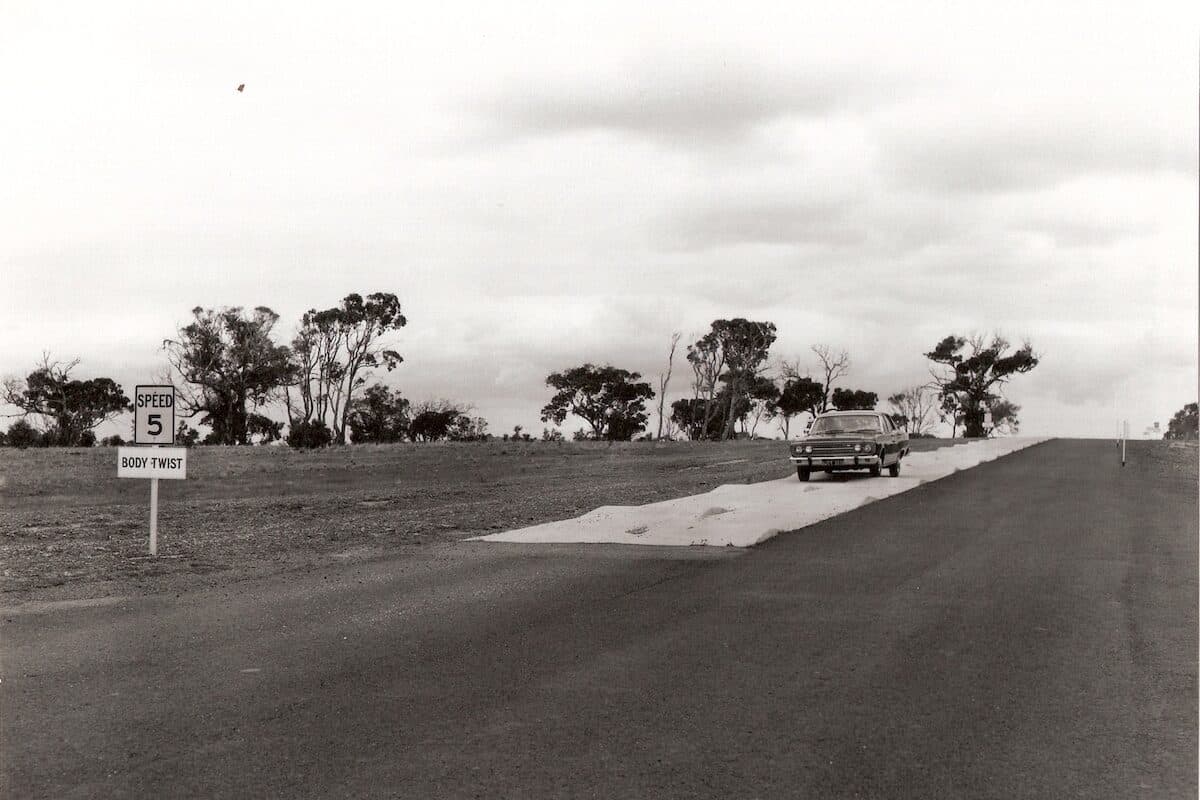
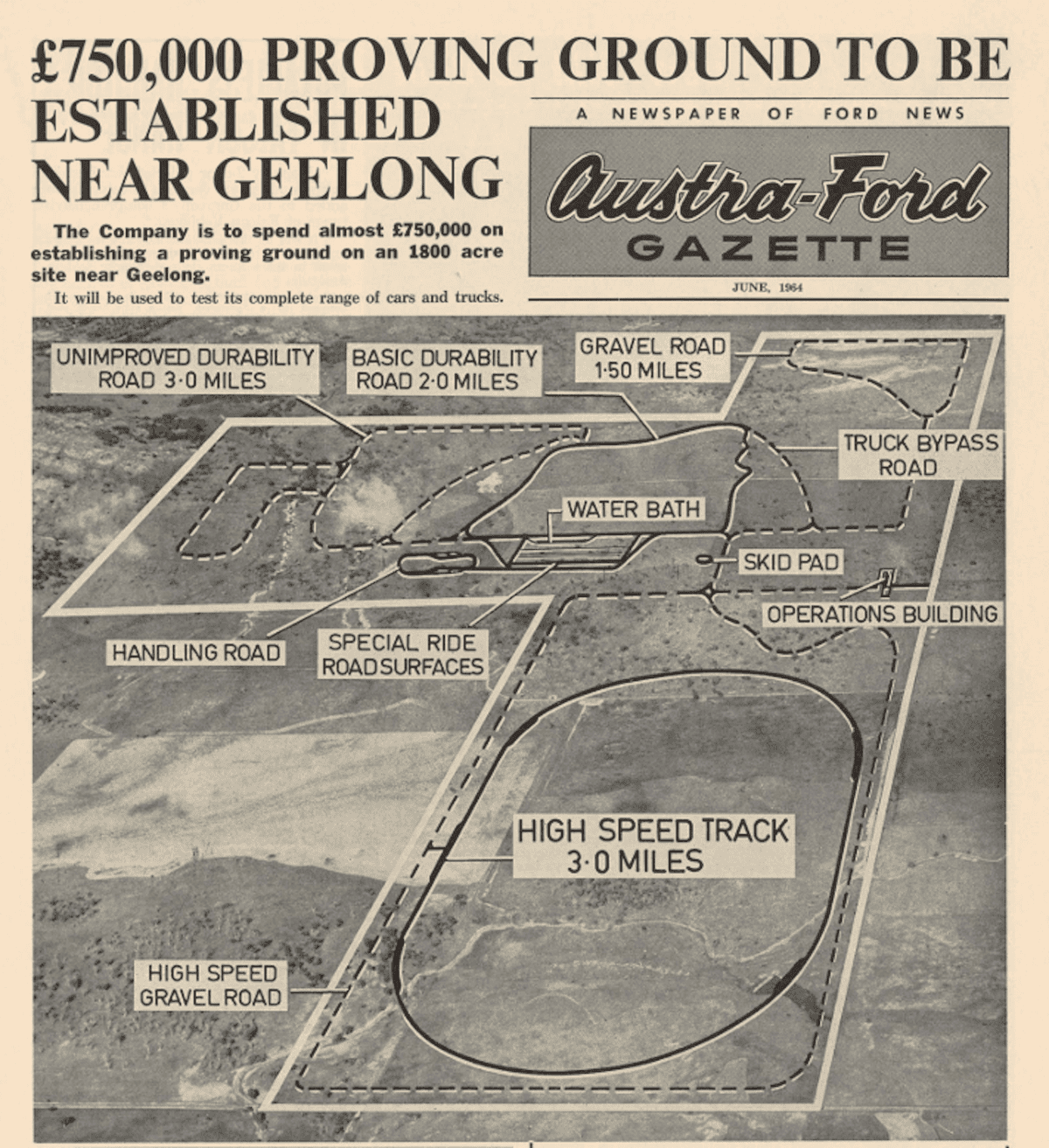
Opened in 1965, its land spans a massive 900 hectares and features over 80km of tracks simulating virtually every one of the challenging conditions our country can throw at a car. It’s where the local Ford Falcon and Territory was developed, along with the T6 platform Ranger that is sold in 180 markets and other international Blue Oval products.
It’s also a place I was lucky enough to spend a day at recently. While the main purpose of the visit was to sample the revised MY26.50 versions of the Ranger and Everest right where they were tested, there was far more I wanted to find out than just that.
After all, this is a place bathed in history – and further to that, I’m someone who gets off on all the nitty gritty research, development, and engineering aspects of cars. This one is a proper ‘pinch yourself’ moment.
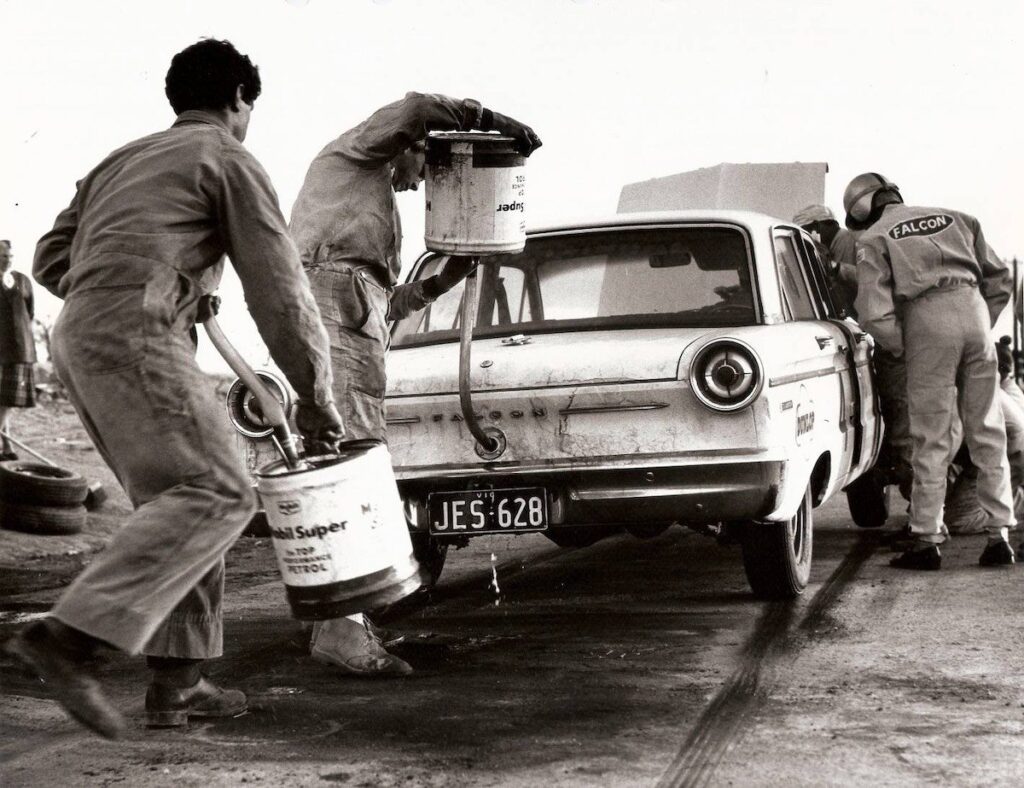
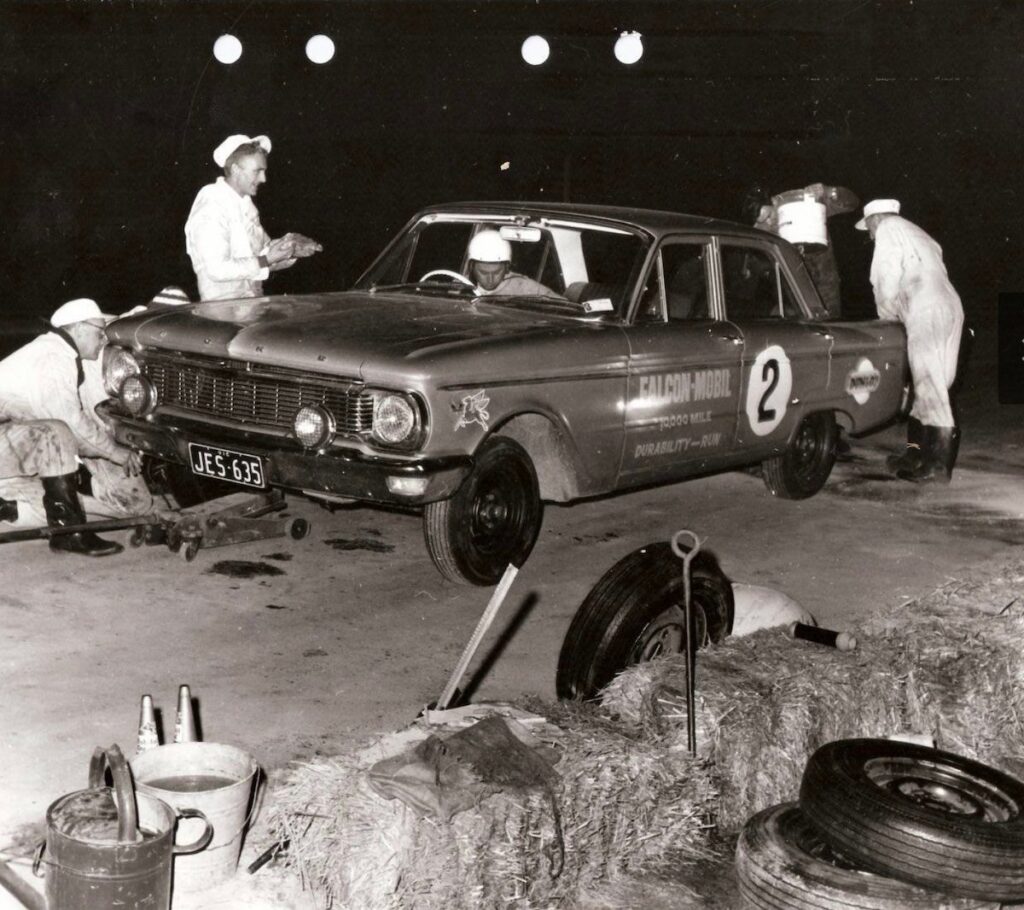
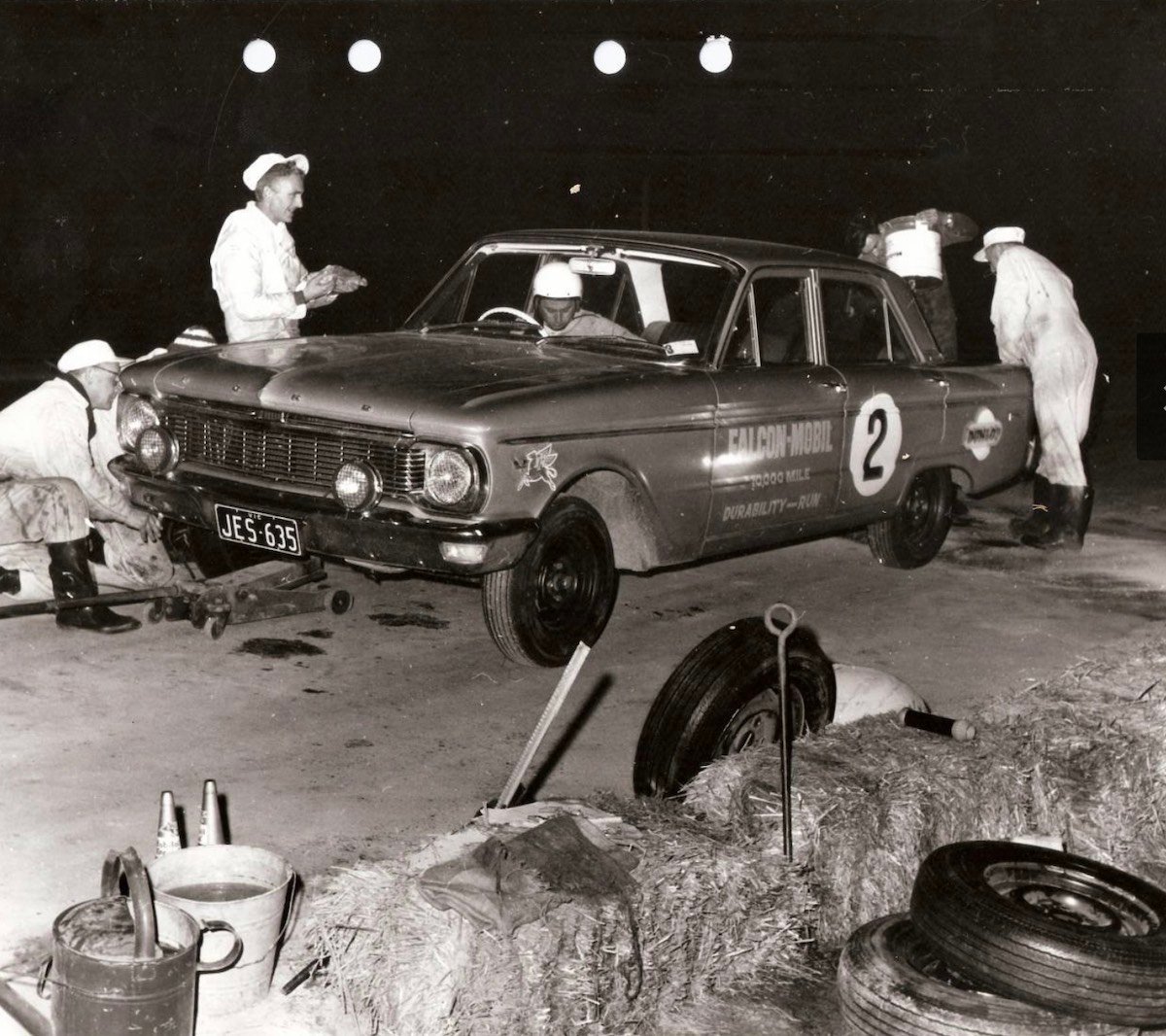
Shortly after the completion of the You Yangs Proving Ground, Ford looked for a way to signal its intent with the facility and its make-or-break car, the XP Falcon. As a means of proving the car’s durability, Ford conducted a five-car, 70,000-mile durability marathon that commenced on April 24, 1965.
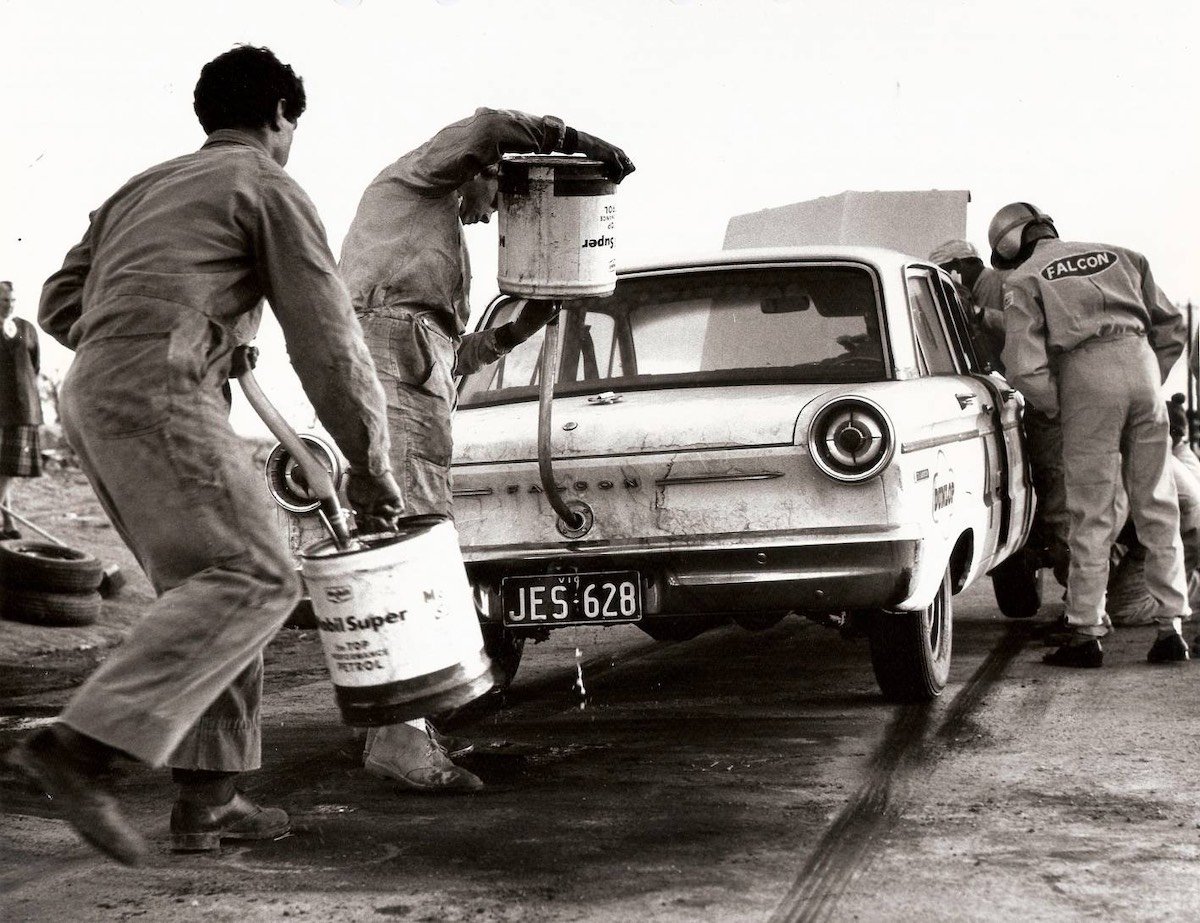
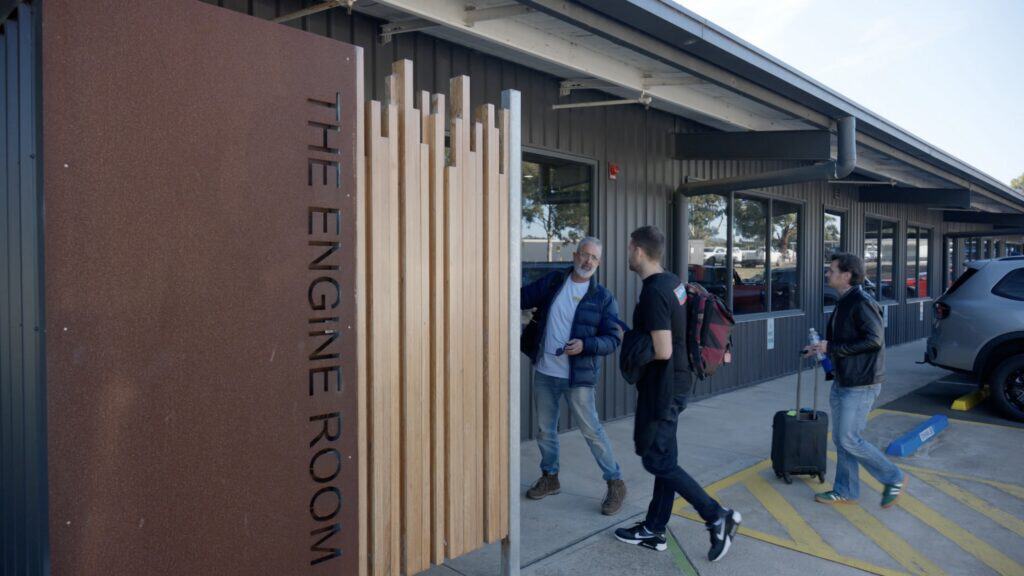
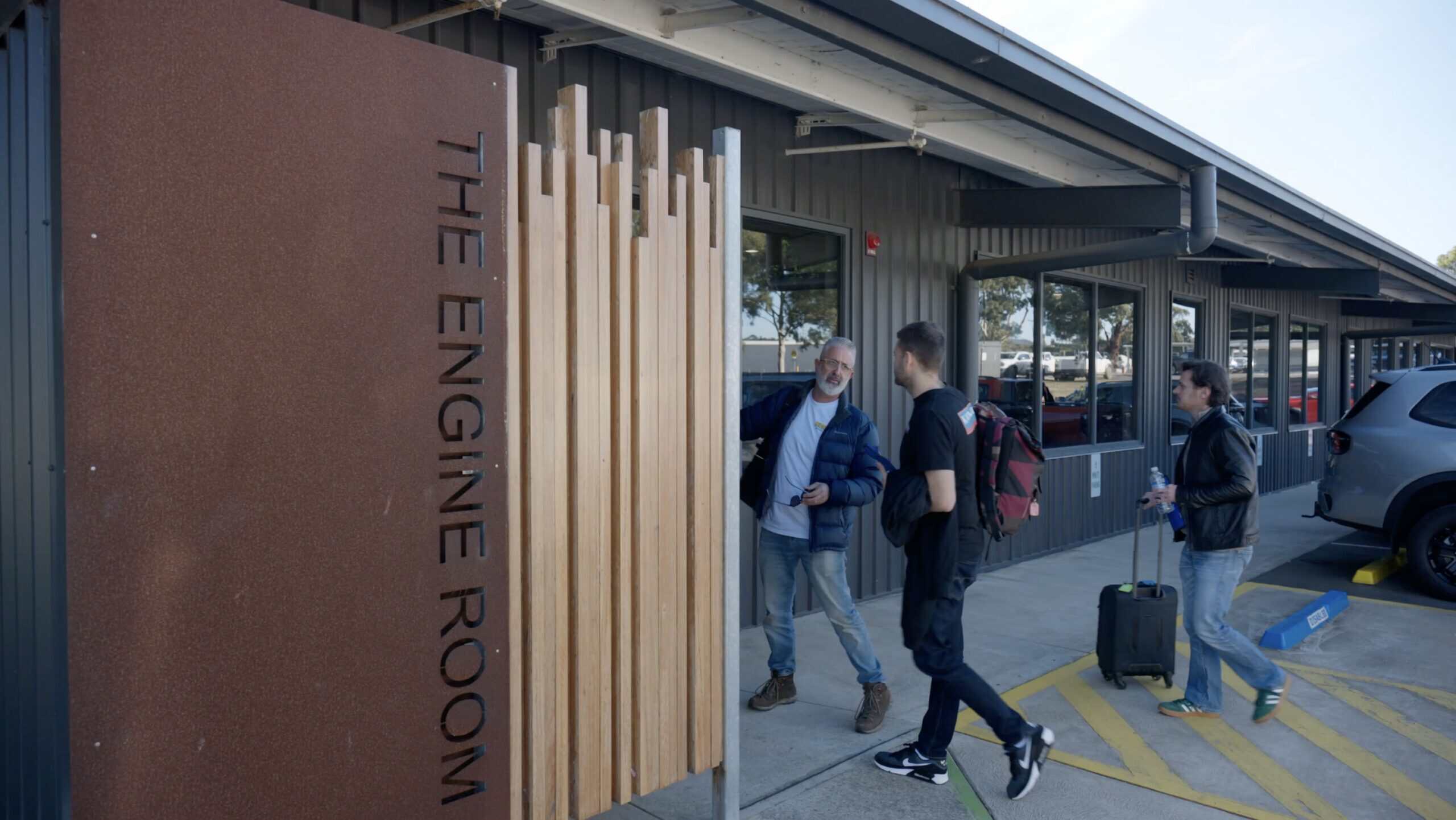
Around 60 drivers thrashed the cars around the clock to much fanfare from radio and television stations, and it proved to be a massive success in attracting buyers back to the brand. Today, a wall in the staff canteen at You Yangs – a building dubbed ‘The Engine Room’ – honours this event.
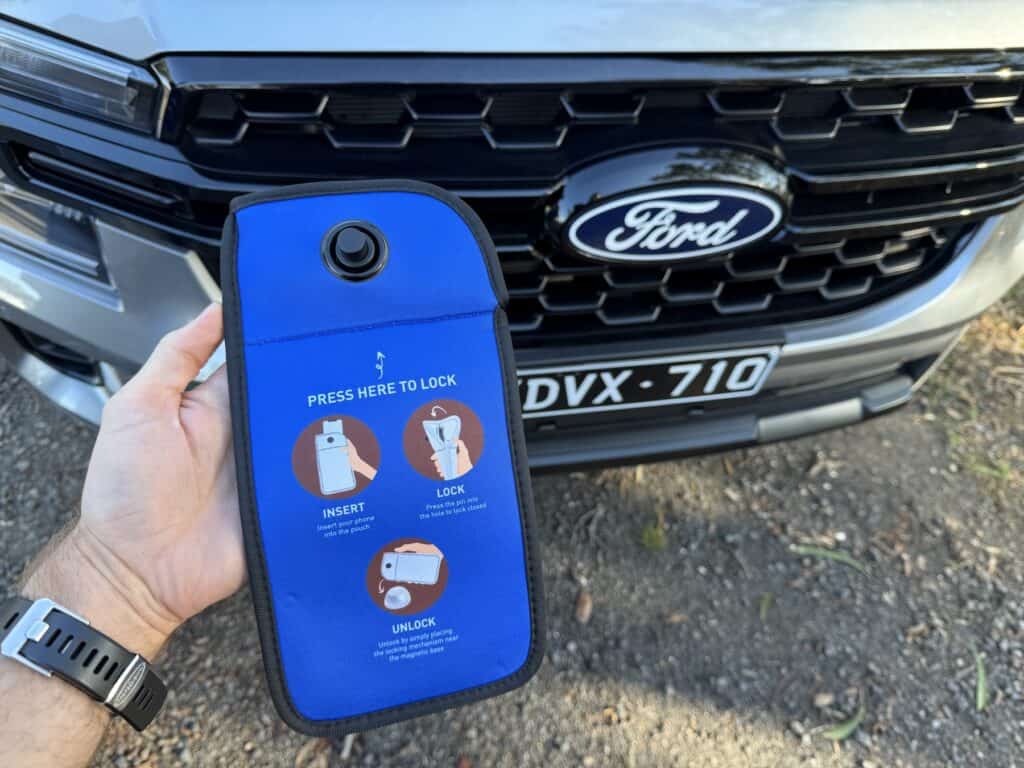
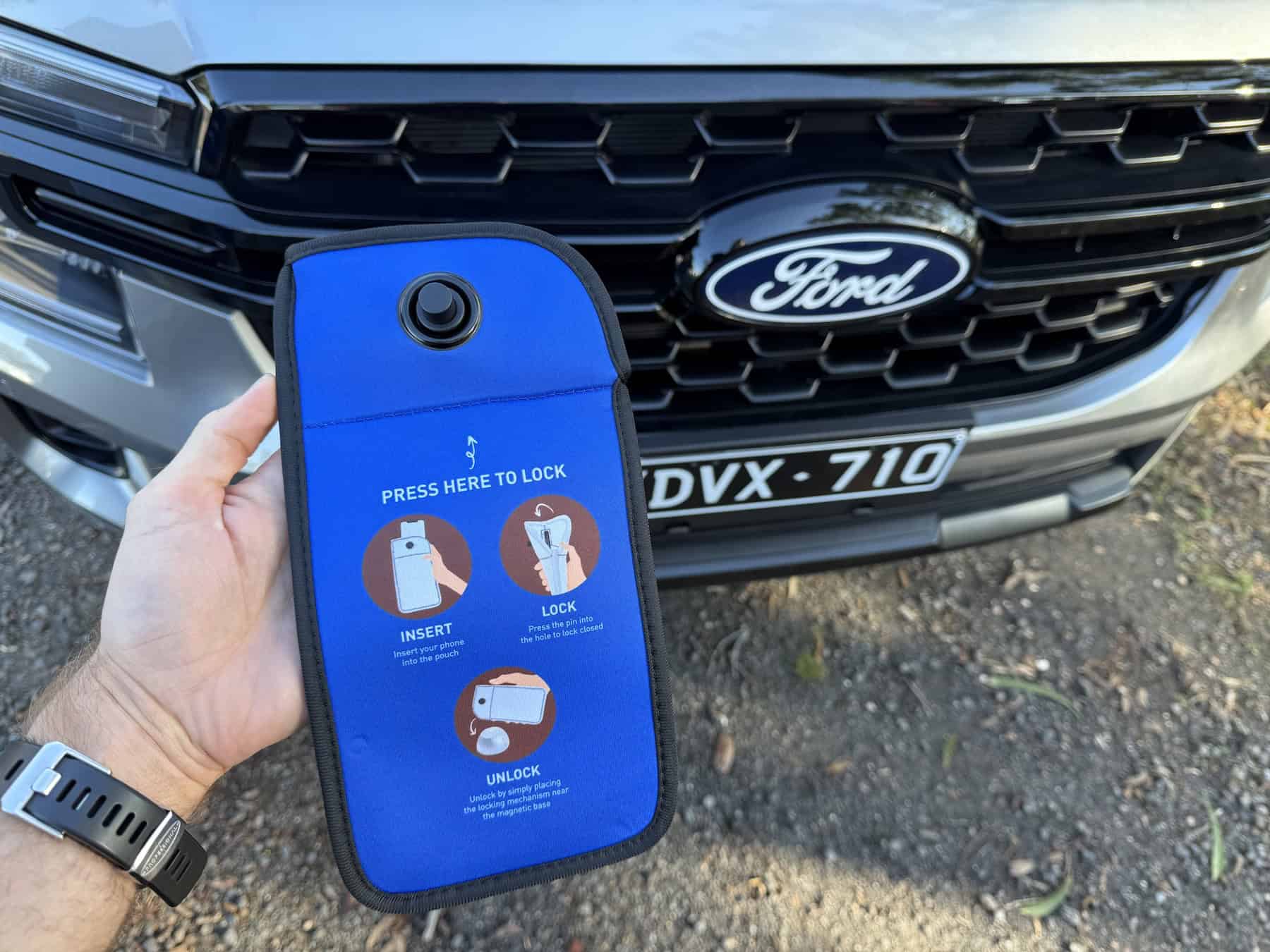
It’s at this point that I’d love to show it to you, but I can’t. Before even heading through the front gates, Ford locked away the phones of myself and the other journalists with me in cases that would prevent us from using them. It might’ve been home to a media frenzy in the ’60s, but today it’s a top-secret development facility.
The main reason I can see for this being done is because Ford doesn’t just use You Yangs for developing Aussie market vehicles. Indeed, Ford was keen to tout that this is one of only several fully equipped proving grounds in the world, and the only facility in the Southern Hemisphere with such an array of facilities.
The international nature of the company, however, means that Ford was working here on products destined only for other markets, with a thick line drawn through any chance of them coming here. No wonder they didn’t want us snapping pics and getting the rumour mill turning.
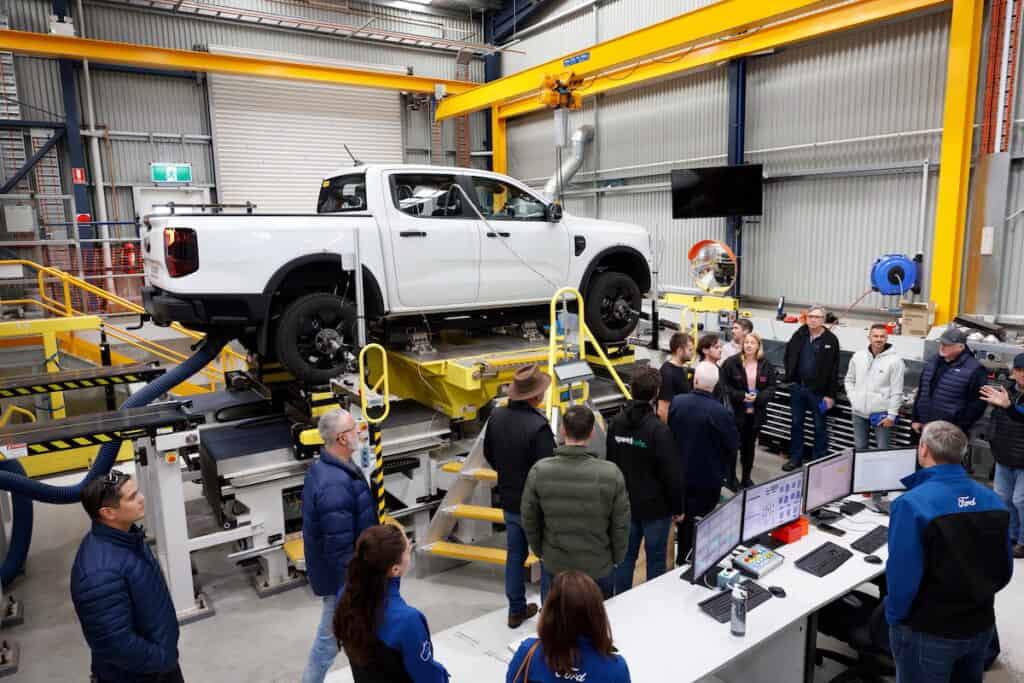
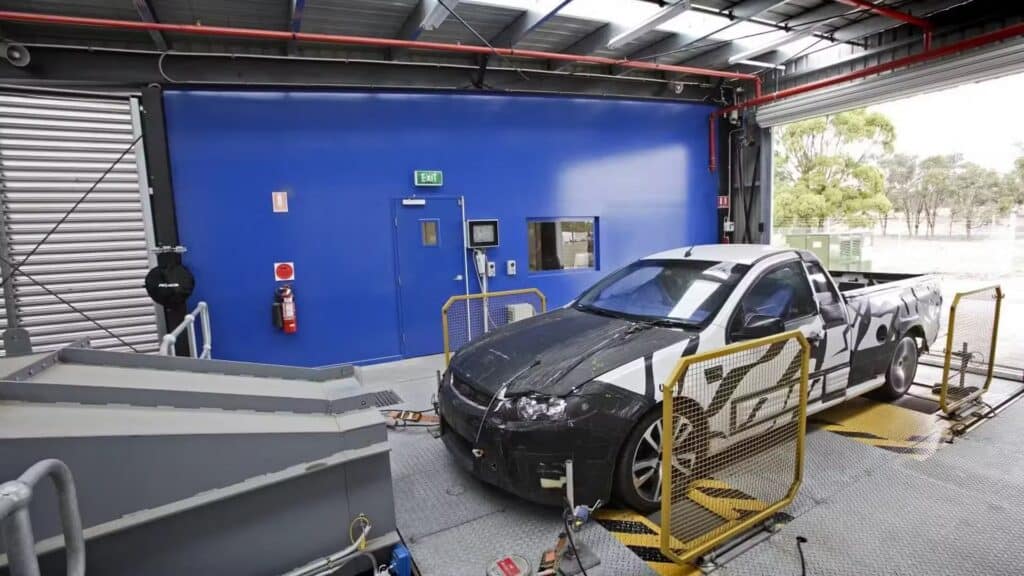
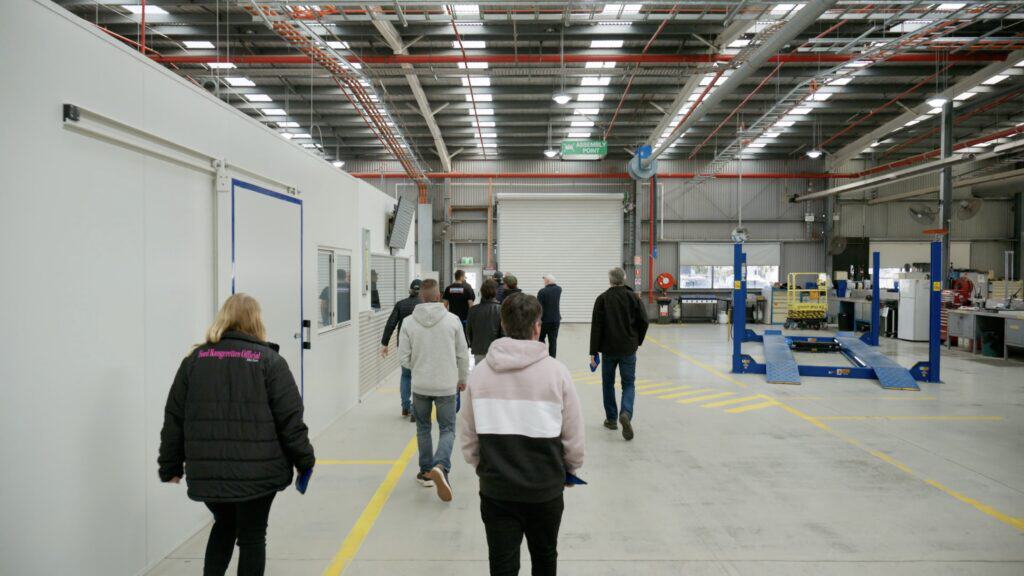
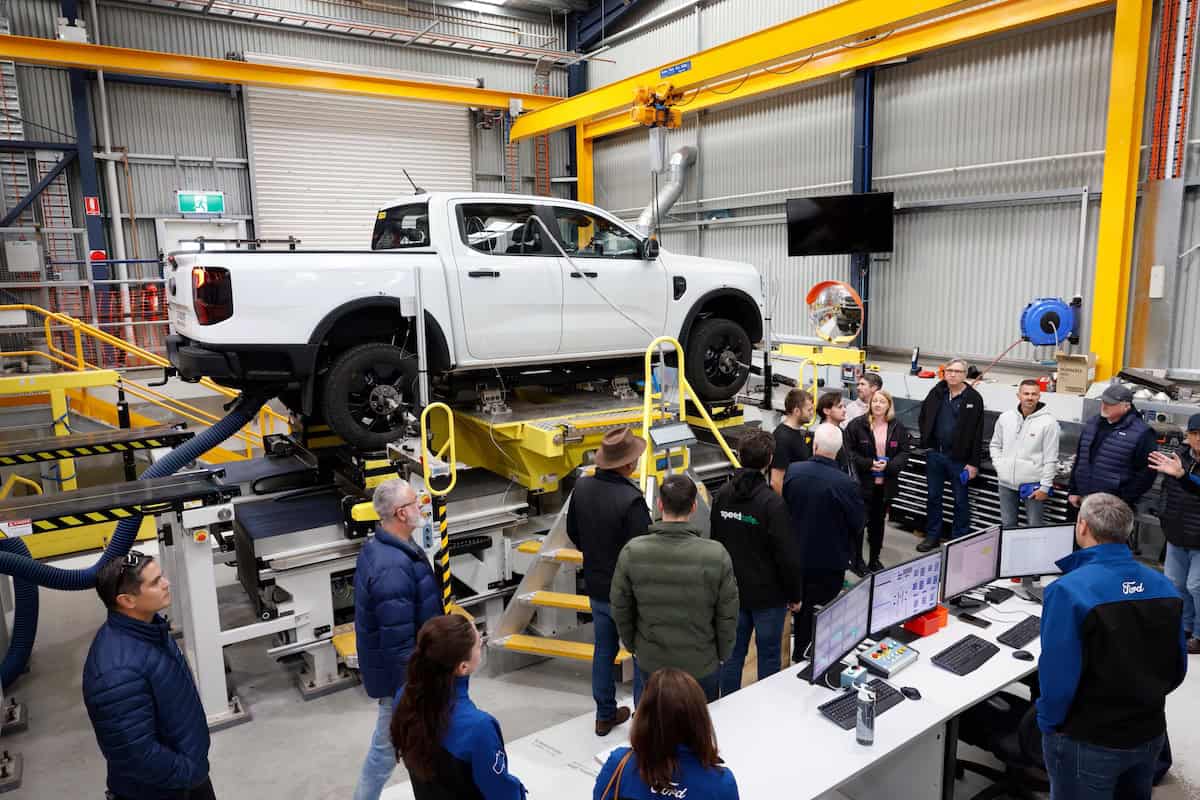
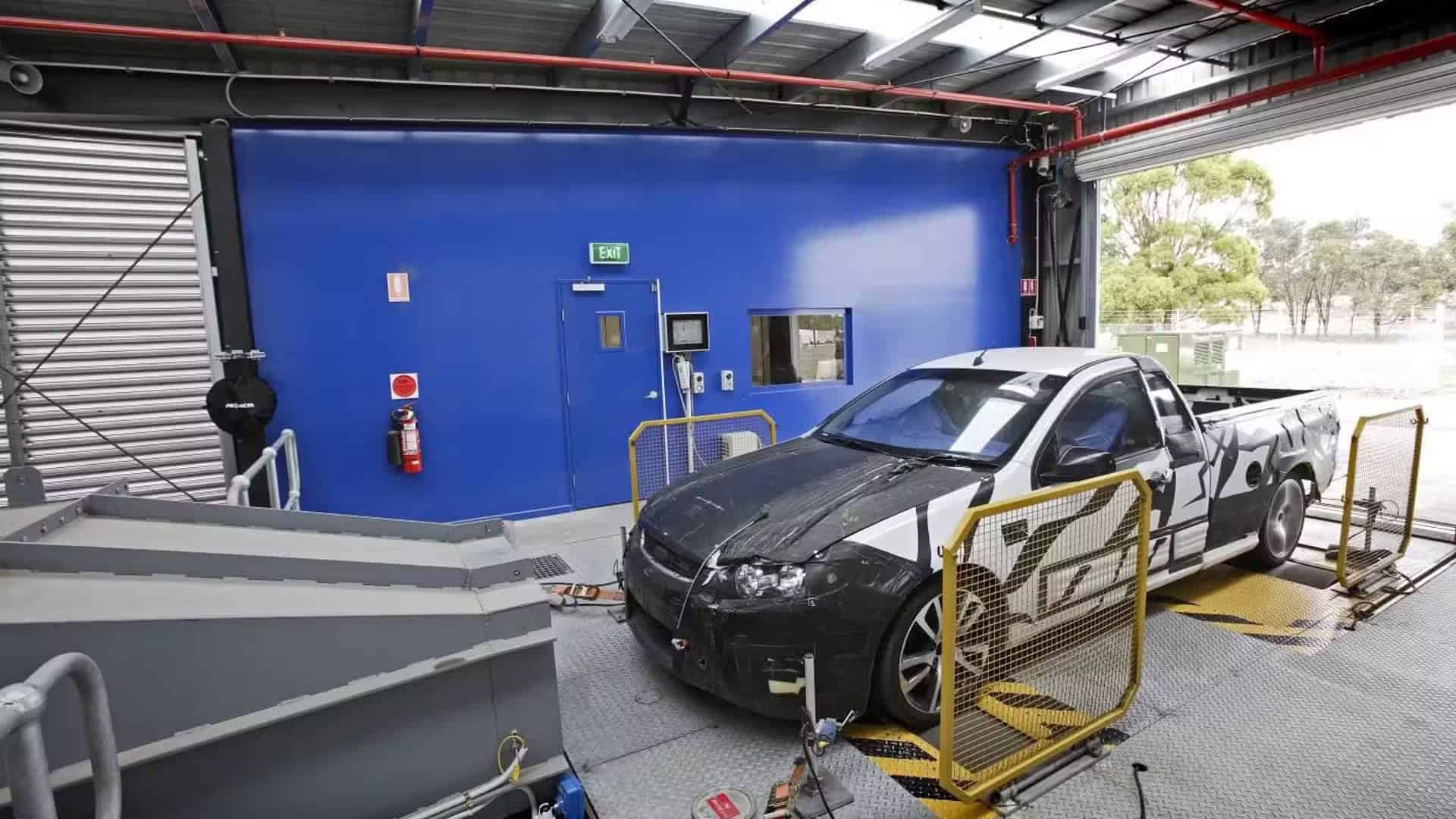
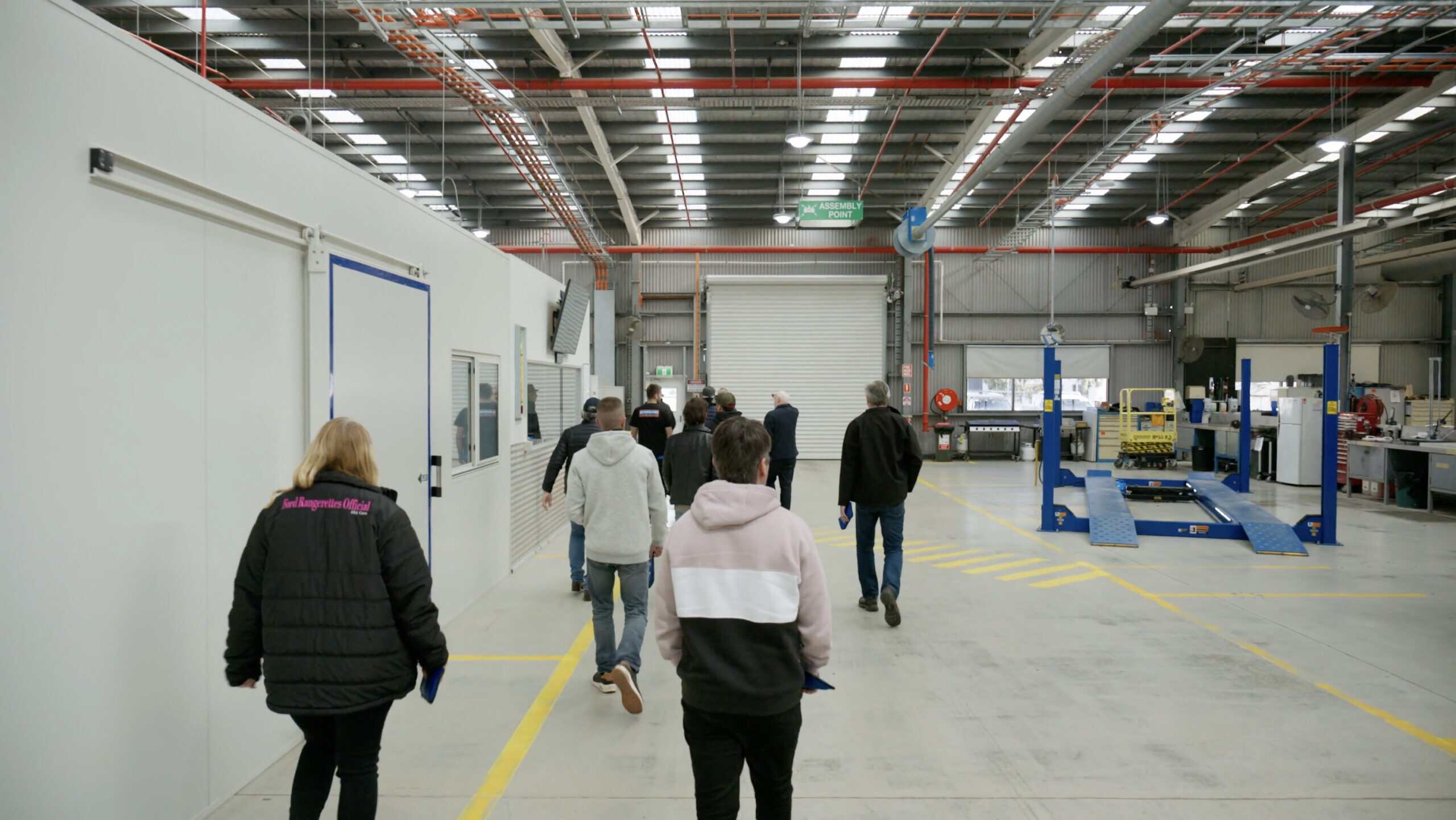
The R&D facilities themselves are quite astounding. Housed inside its workshop building you’ll find some of the most advanced suspension testing equipment out there – one of many pieces of kit with that “only one in the Southern Hemisphere” tag.
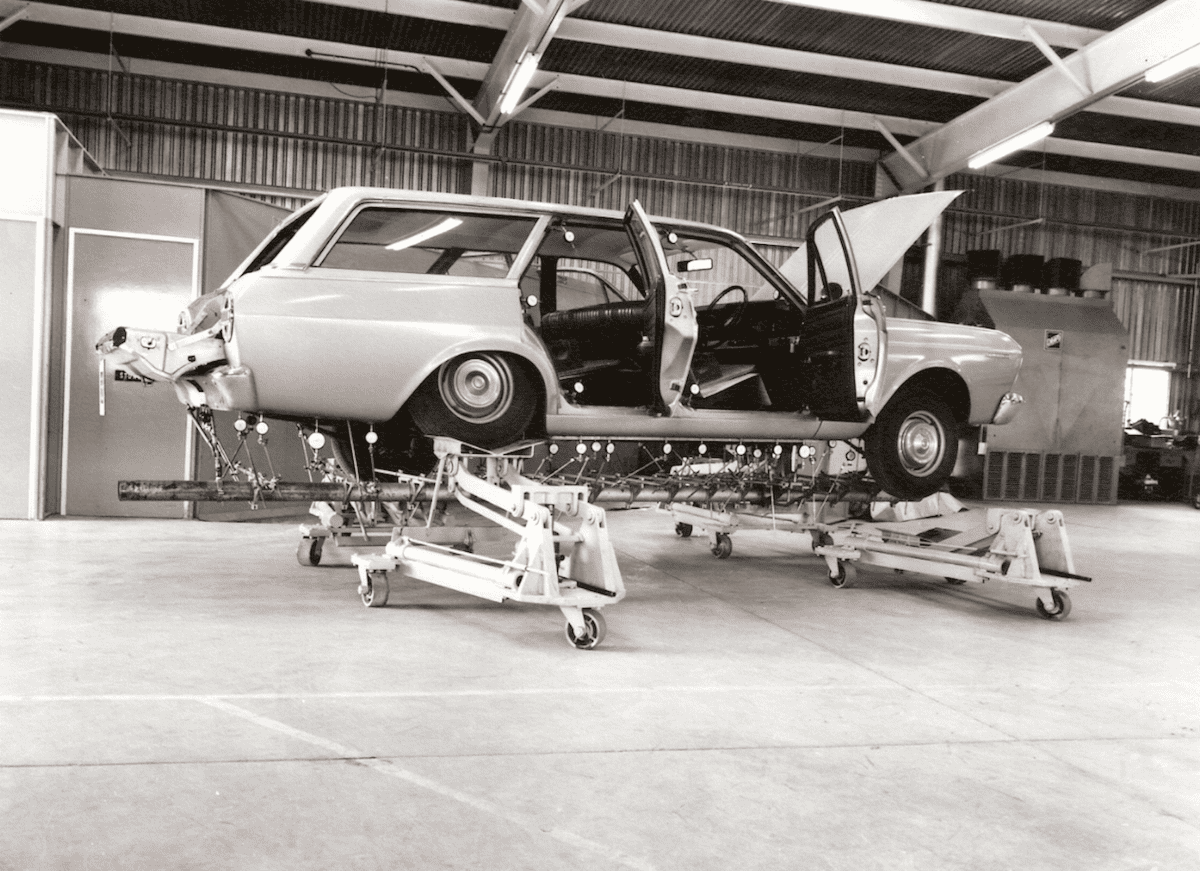
It’s also worth noting that Ford didn’t put on a mere demonstration for us. All of the testing going on here and elsewhere around the facility was all real – the suspension testing being done at the time was for a South American market version of the Ranger PHEV.
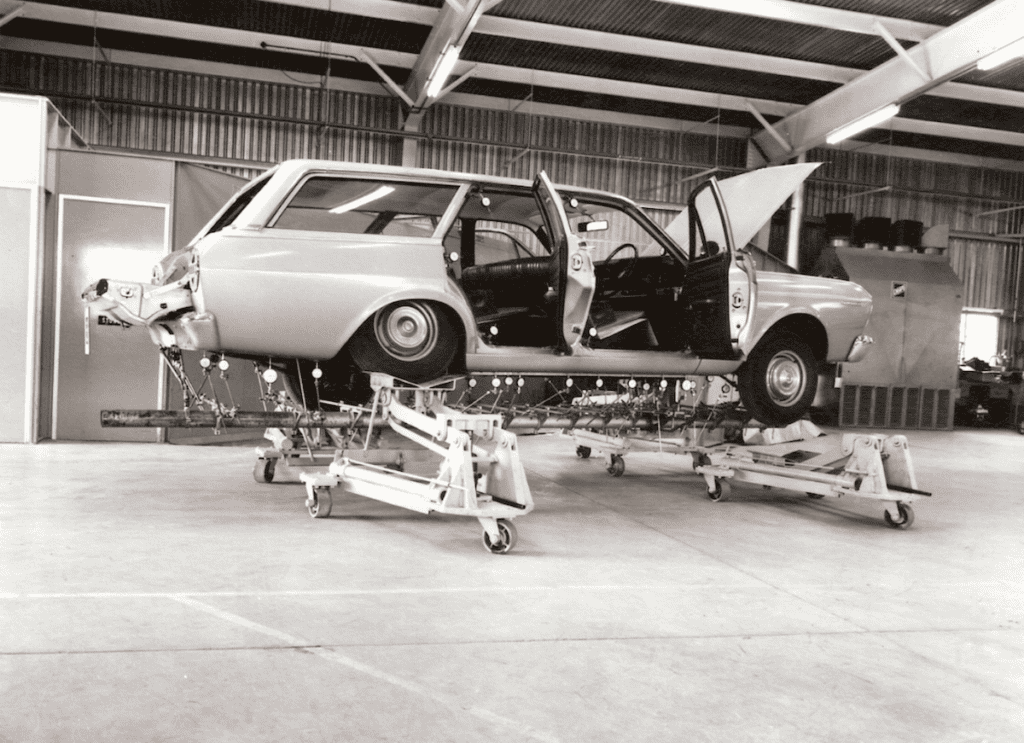
Hanging on the wall of this room was also a picture of the very first suspension testing rig used at You Yangs. The technology has certainly come a long way since the ’60s, as the amount of data the team can gather on this testing rig offers an unbelievable level of detail.
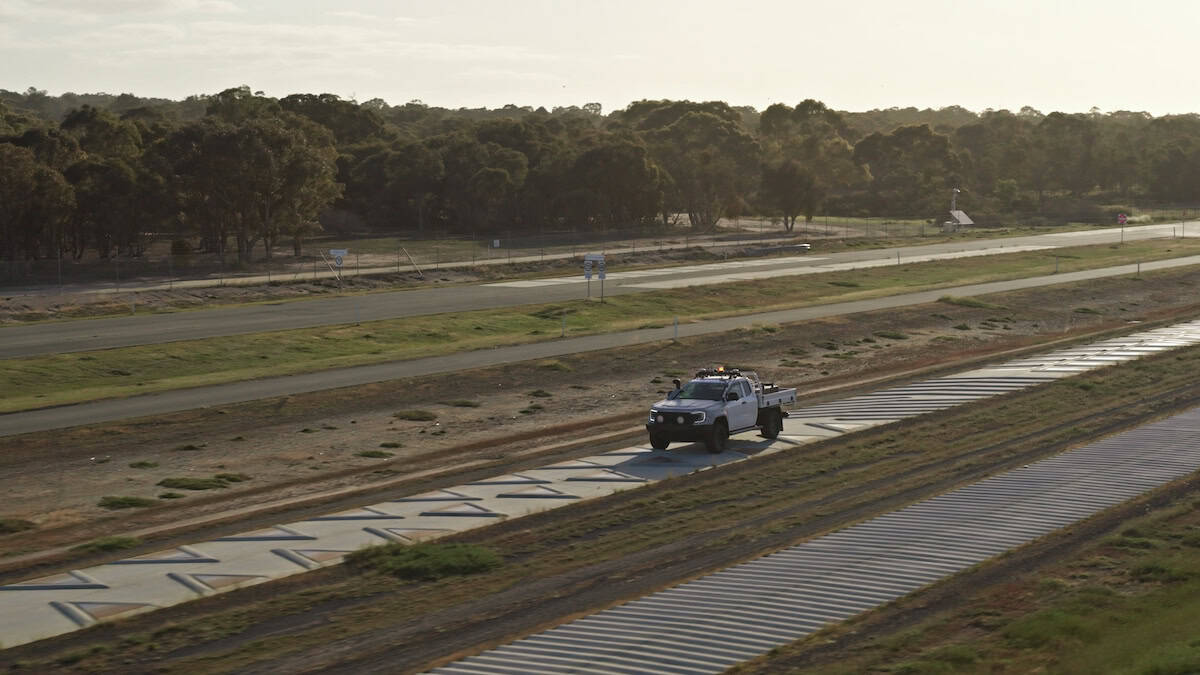
Upstairs, you’ll find equipment that’s even more advanced, although it might look pretty simple at first. In a room overlooking the workshop, there’s a desk with a few computers, while on the wall there are screens showing a livestream footage of vehicles driving around a circuit with harsh surfaces designed to simulate lifetimes of wear on a vehicle.
When companies say their new vehicle completed so many miles of testing – around 4.9 million kilometres in the case of the current Ranger – this is a big part of what they mean.
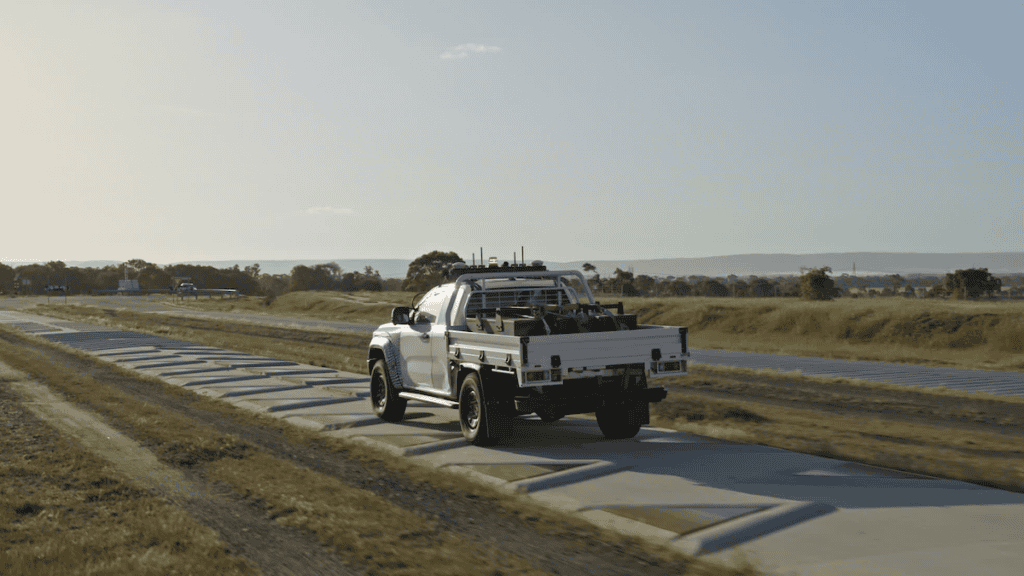
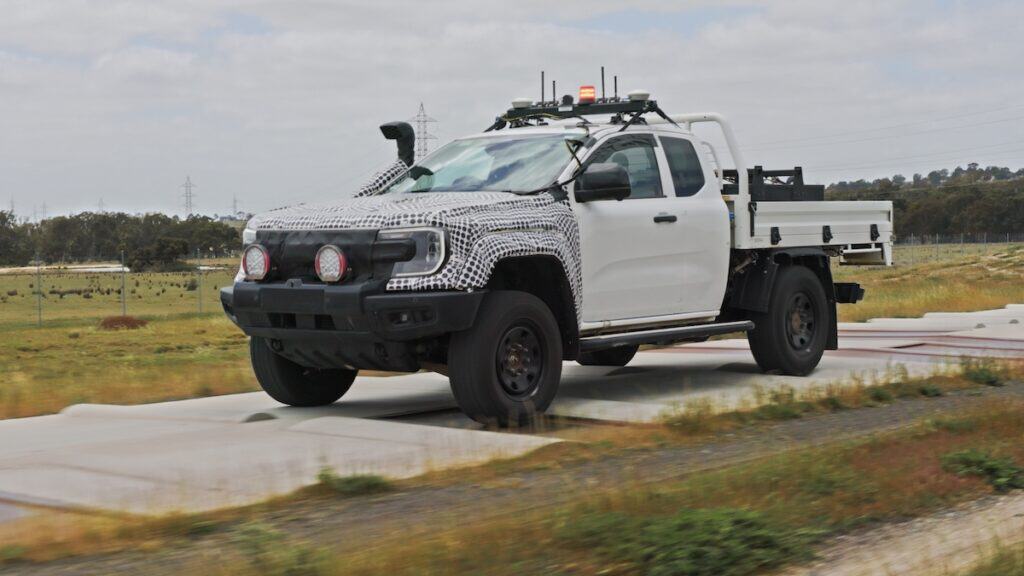
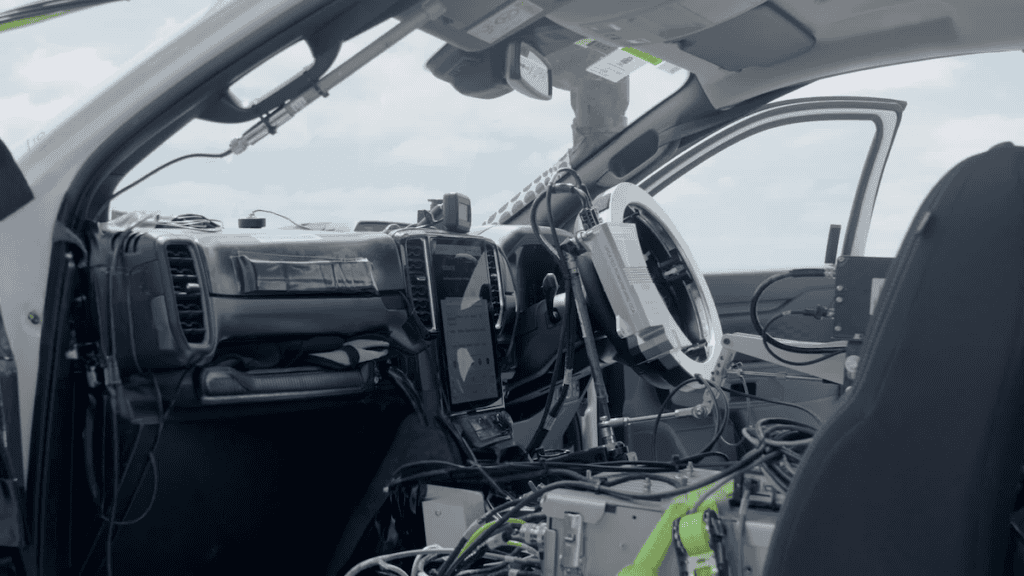
No one is driving those vehicles. Instead, they are all operated completely autonomously from this control room. One reason is because testing is done at You Yangs a constant 24 hours a day, every day of the year, so there’s a practicality element given it only requires one person. The other reason is because doing this sort of testing with real human drivers would practically cause them to require a physio appointment daily.
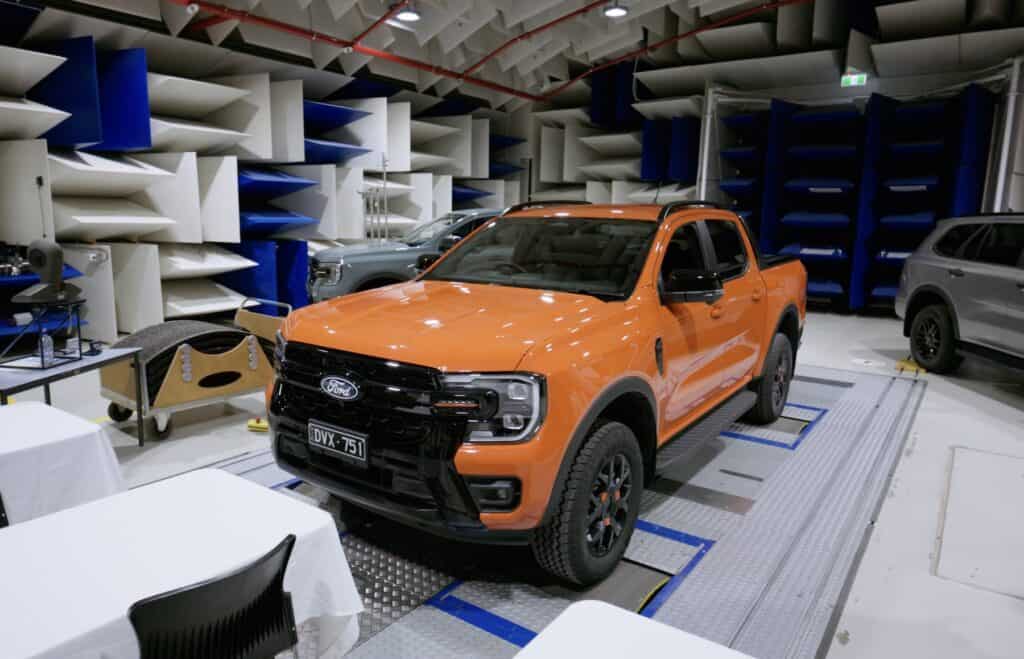
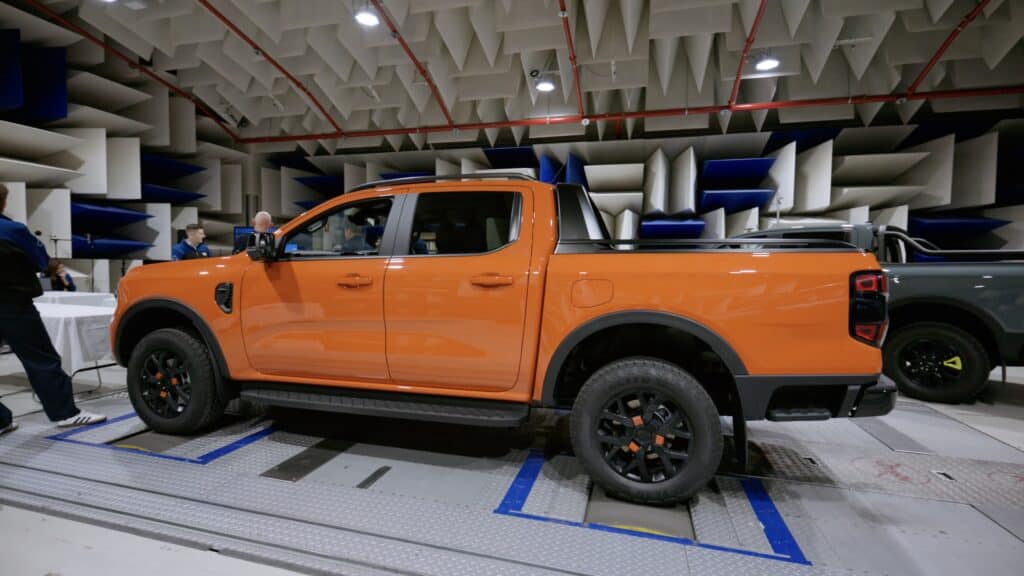
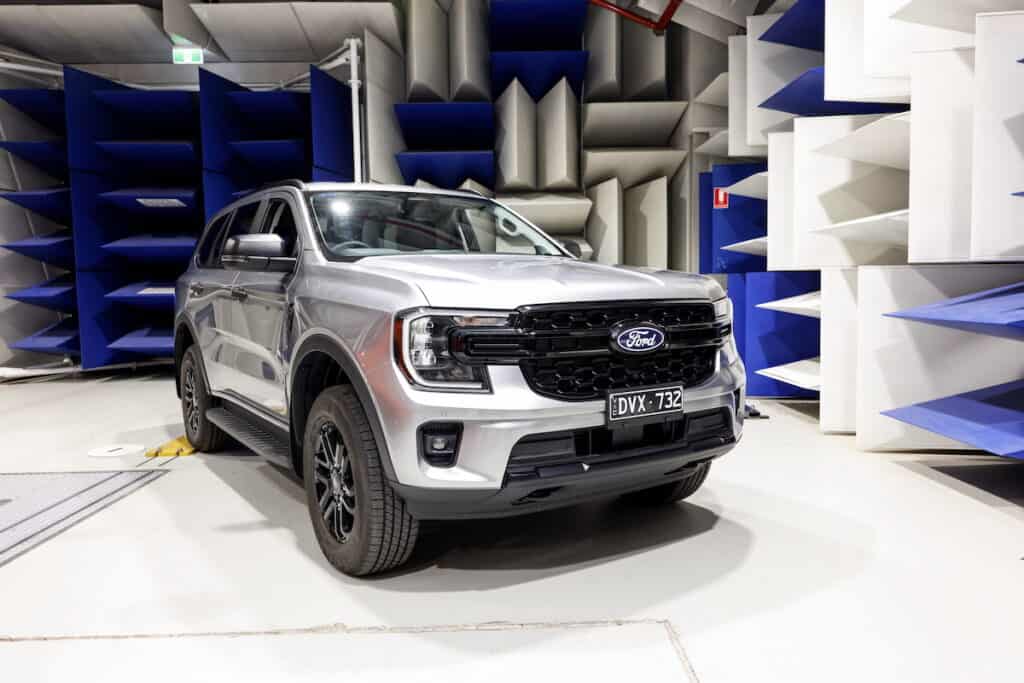
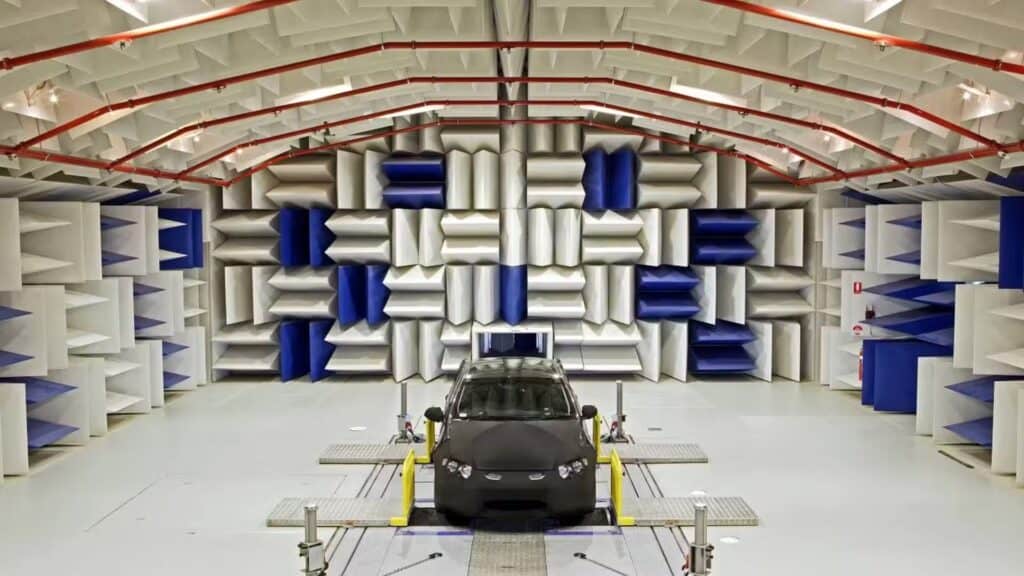
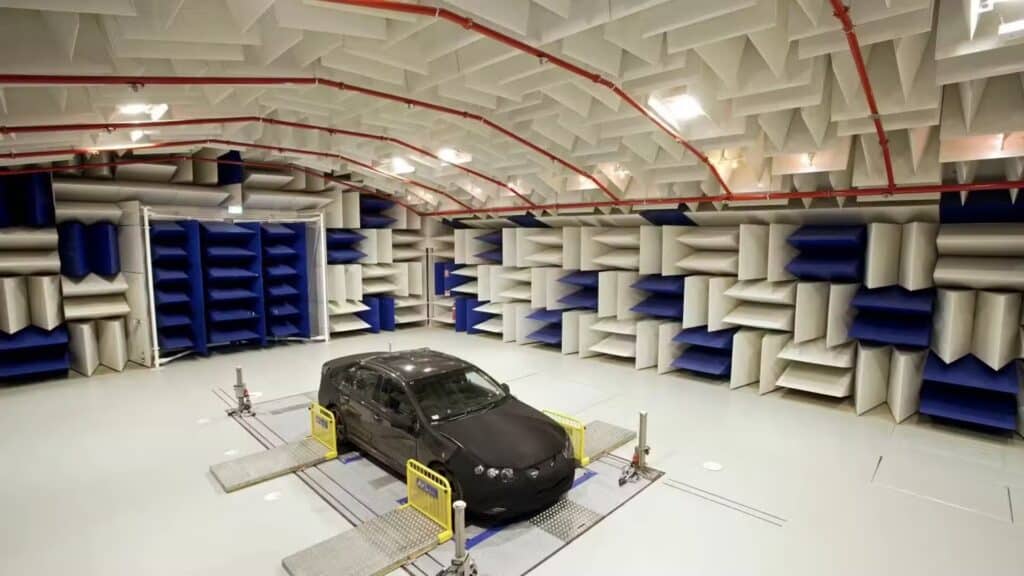
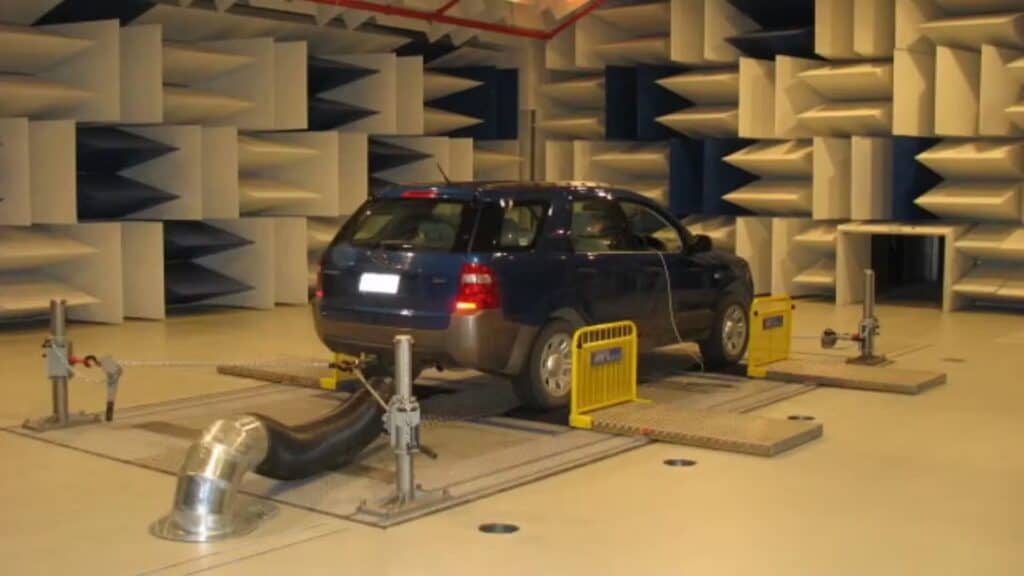
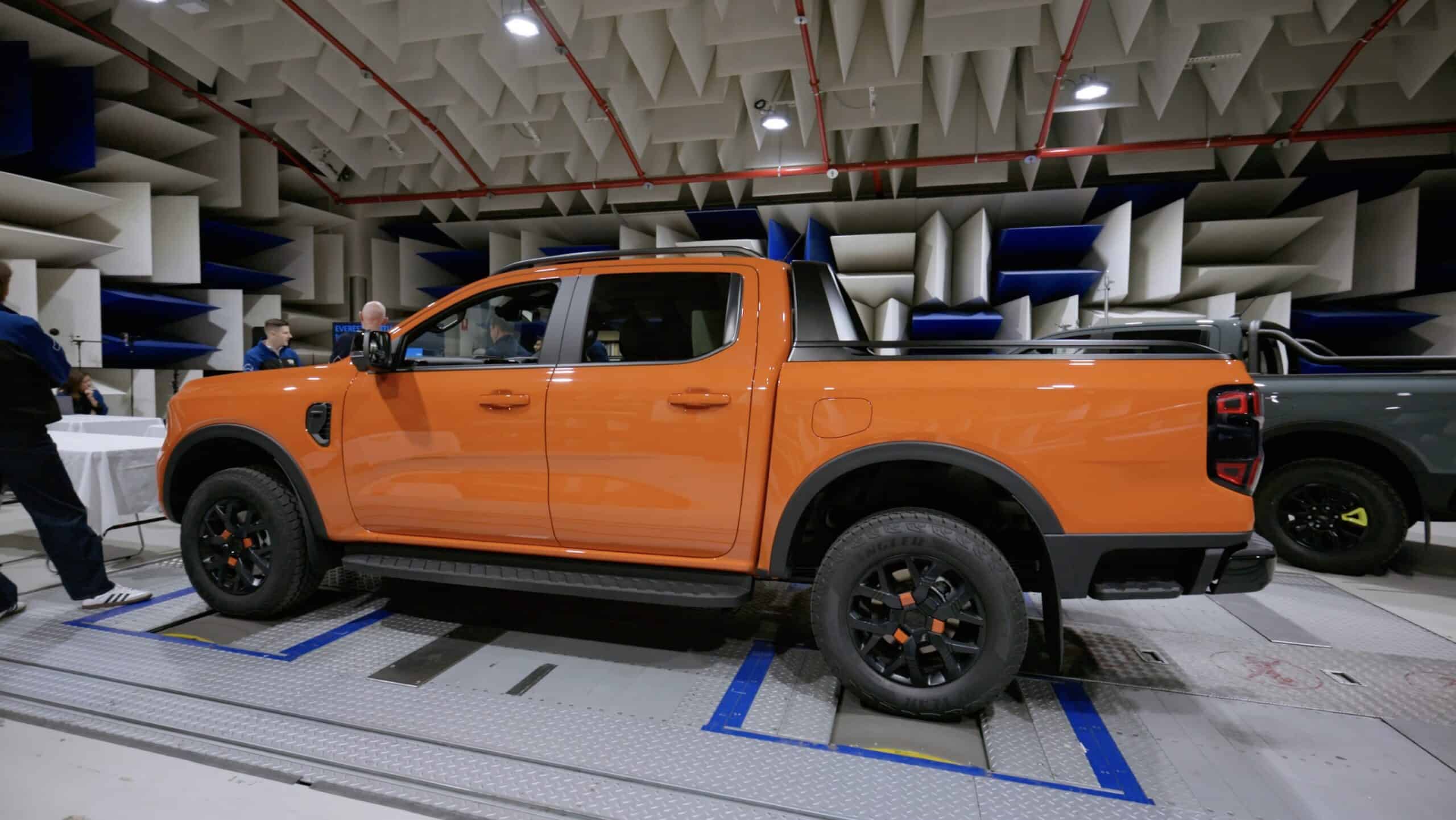
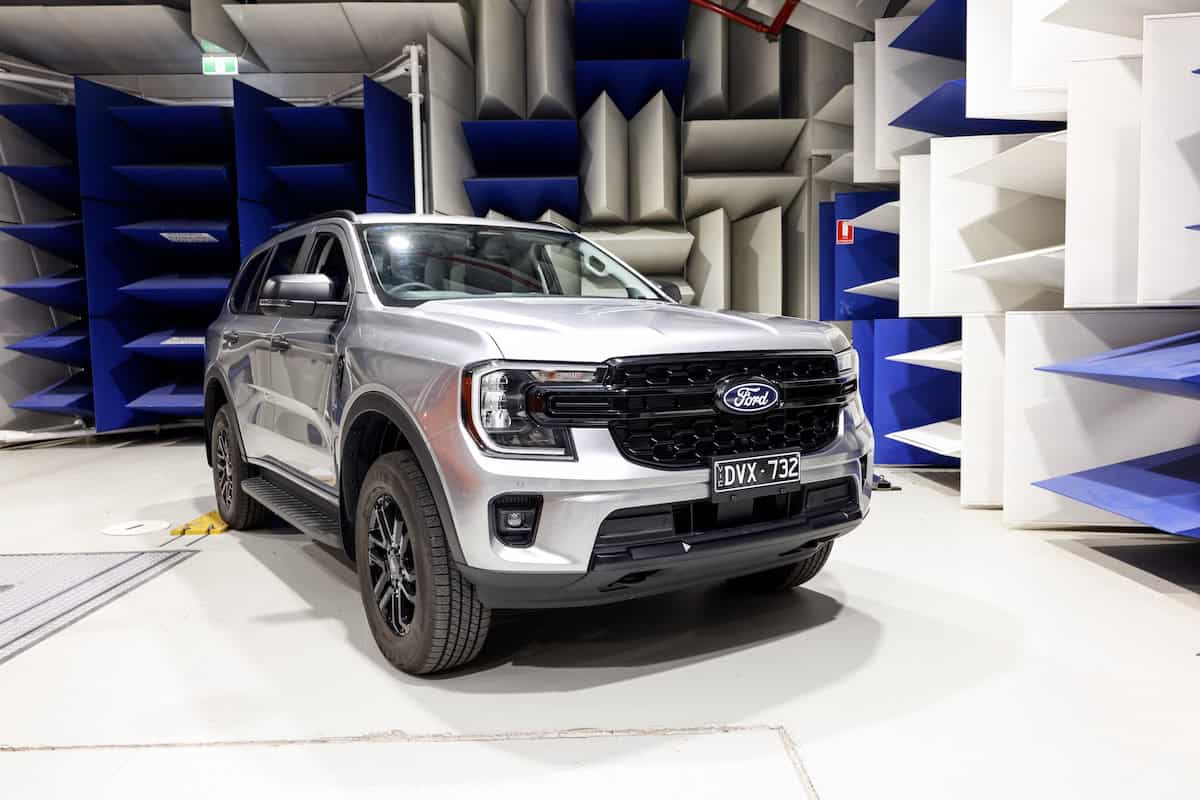
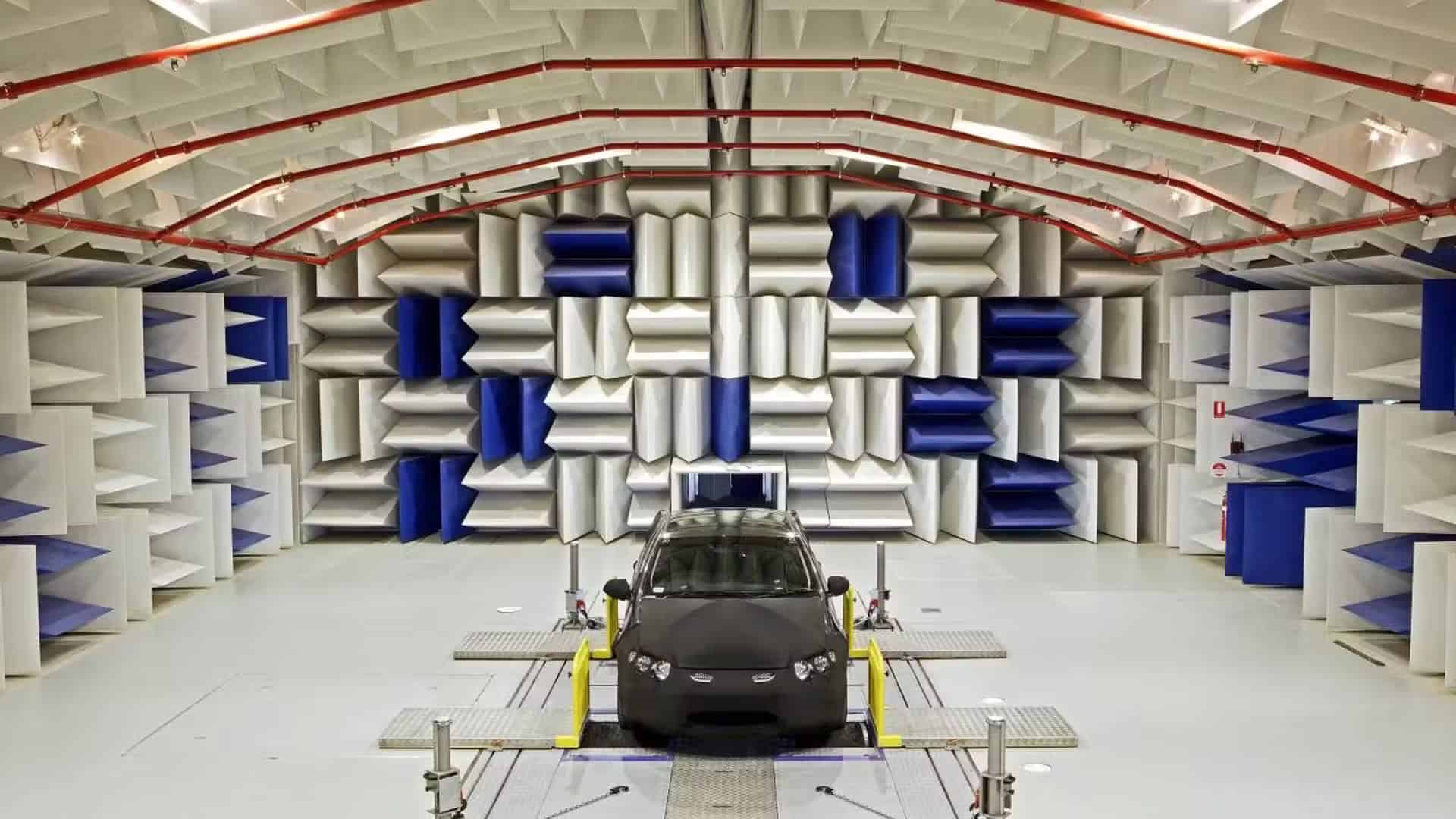
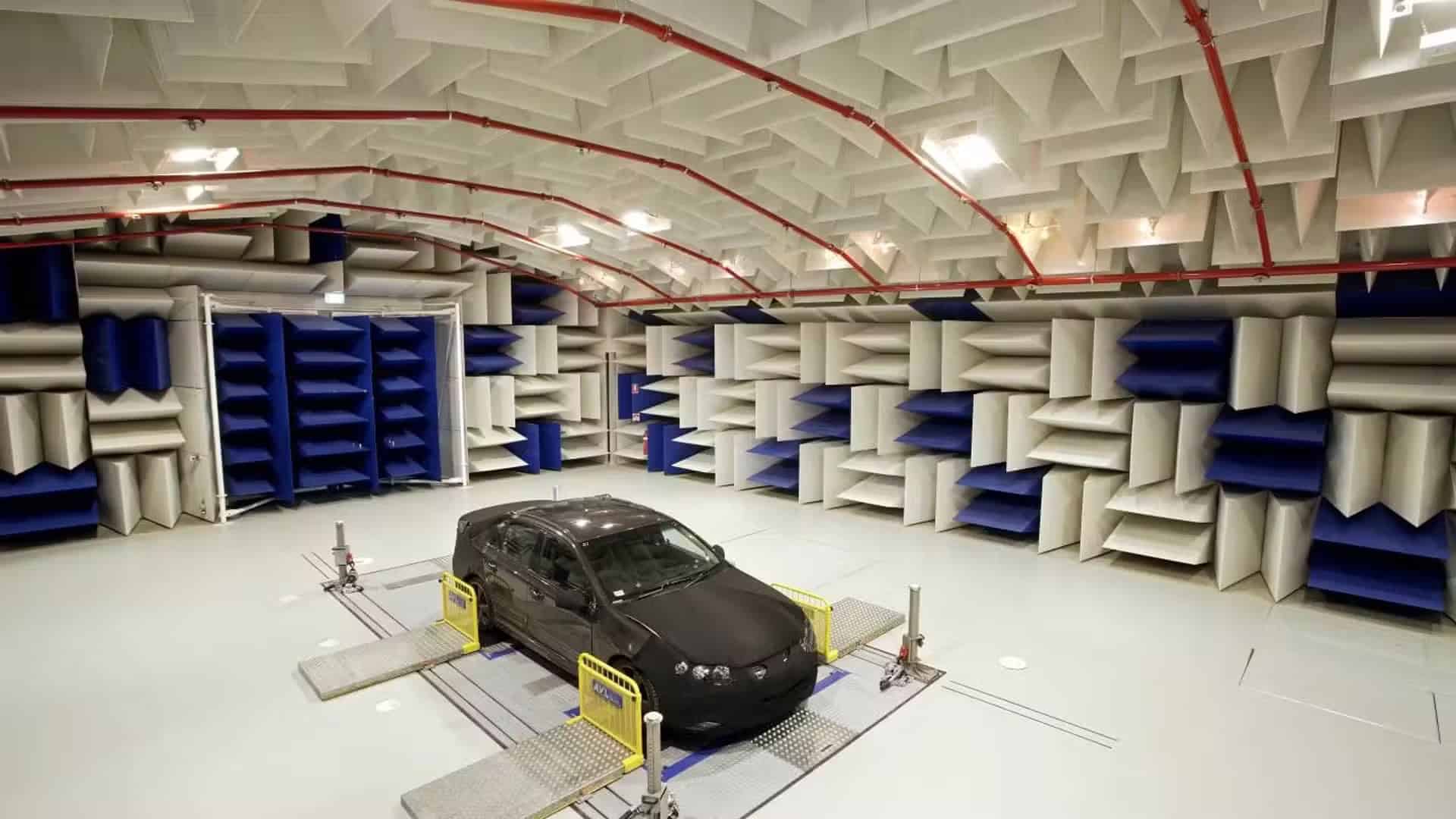
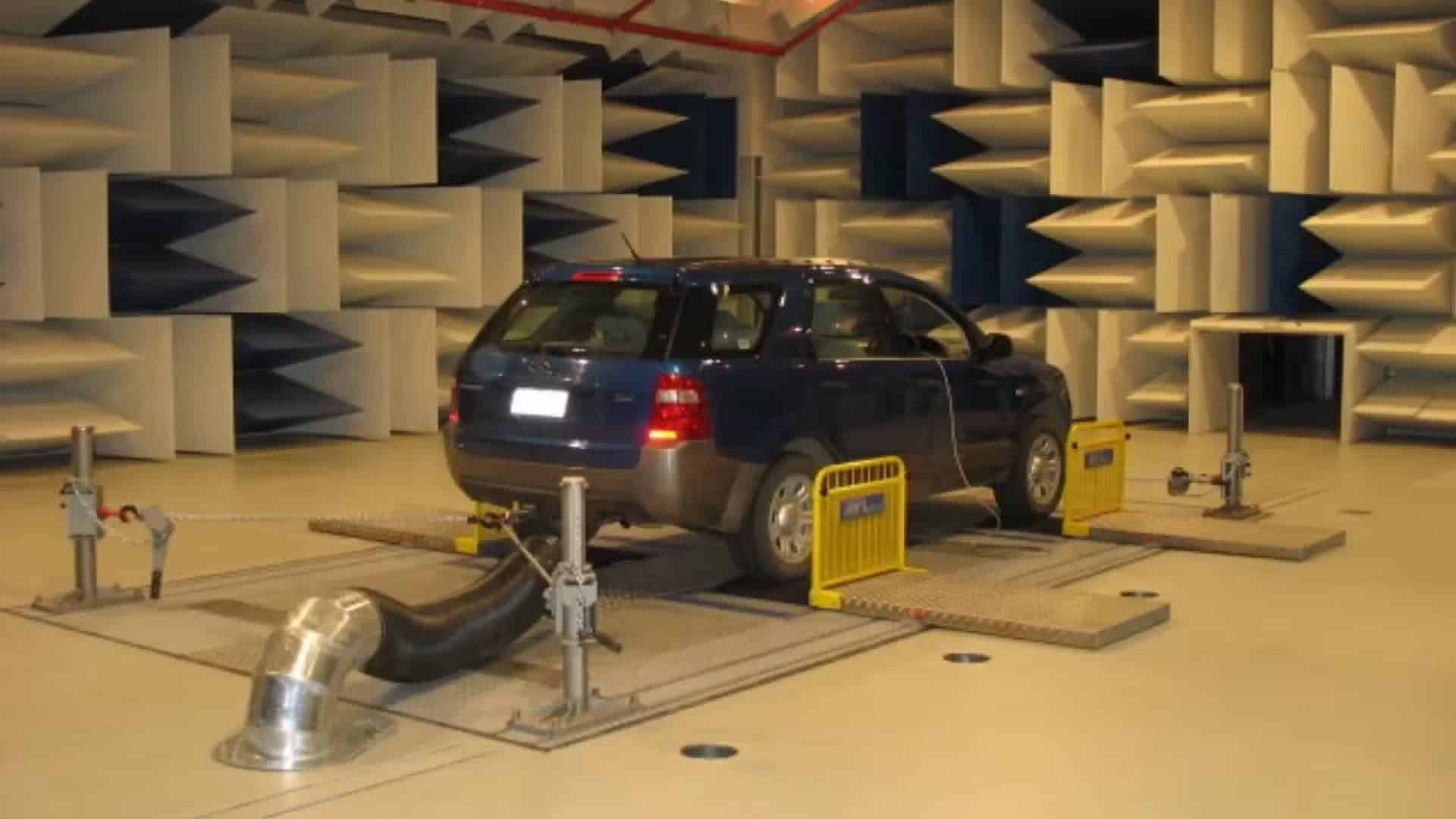
The next building over is an acoustic testing facility – a Vehicle Semi-Anechoic Chamber by its proper name. With wedge-shaped sound absorbing walls all around, a rolling road is sat centrally.
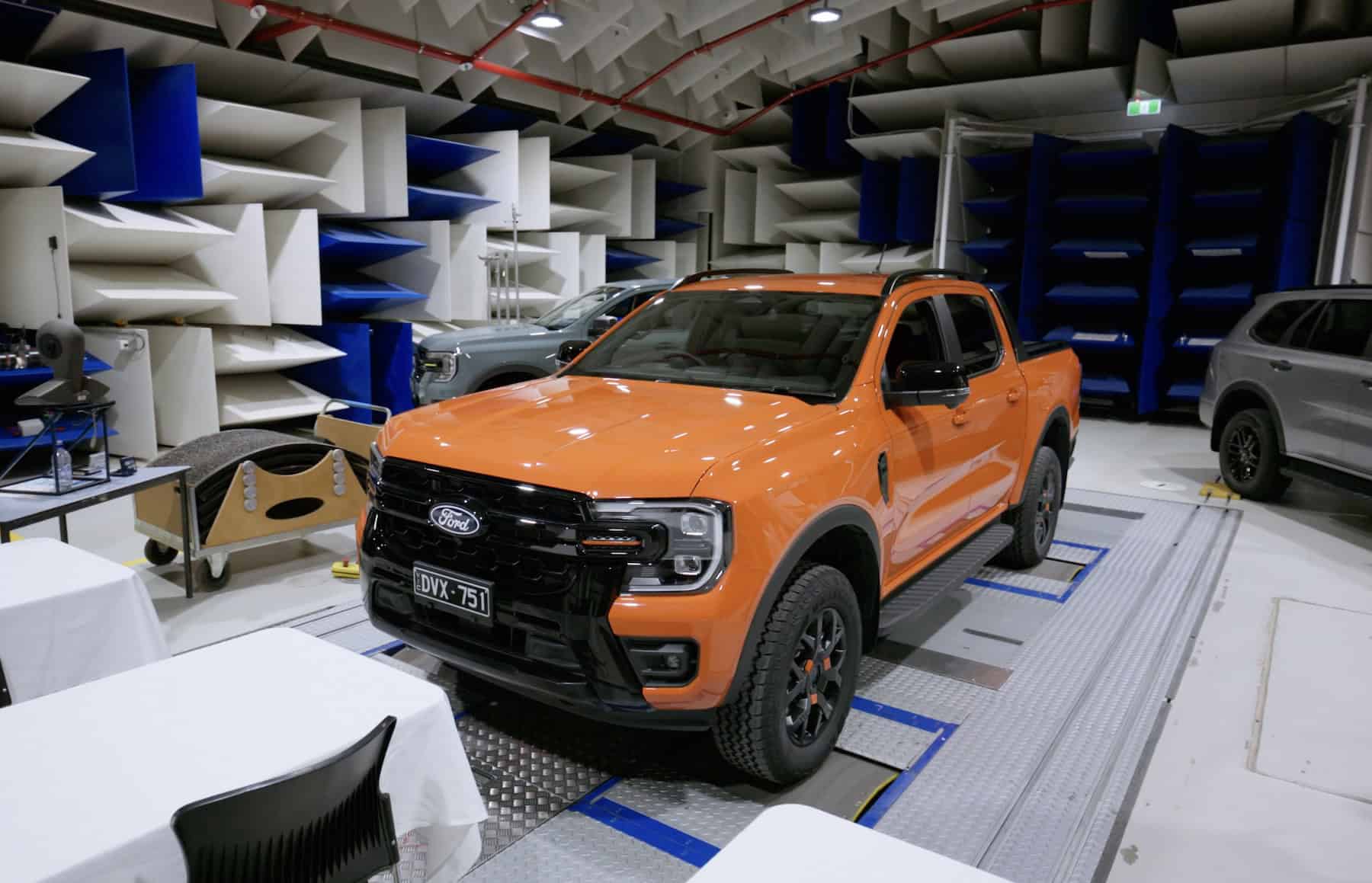
Unlike a dyno designed for calculating how much power a car can make, this one is designed for testing the noise, vibration, and harshness in a vehicle’s cabin on various road surfaces, with different inserts for everything from smooth European highways to Aussie coarse chip bitumen.
There are plenty of other facilities on site as well for testing everything from vehicle emissions to crash testing, although that was all even more highly classified – too much so for outsider eyes.
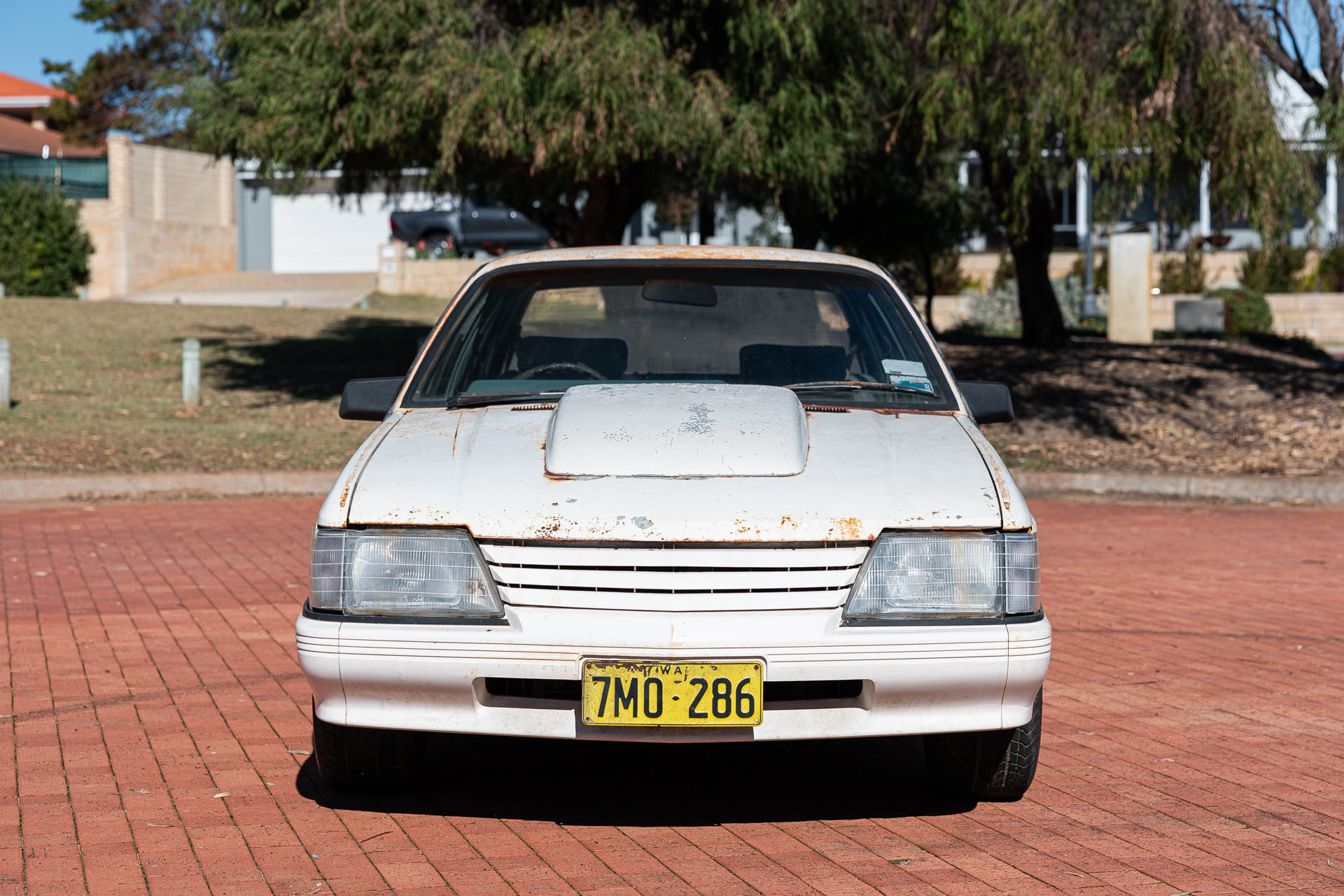
Of course, the other unbelievably special part of this classified tour was getting to drive on You Yangs’ test tracks. While one can only dream of taking to this tarmac in something like a Falcon XR8, even driving them in the humble Ranger and Everest is eye-opening.
Once you’re through another set of gates – one where phones could finally be removed from cases – the most prominent thing this slip road leads onto is the Constant Speed Track.
Although not a full-on high speed bowl like you’d see at Holden’s former proving ground at Lang Lang, this 4.8km tarmac oval features two banked high speed turns with a 400m radius at each end. In lane three, its highest point, the turns are calibrated for a neutral speed of 164km/h. A lane two run at 130km/h is all the insurance policy allowed the press pack to do.
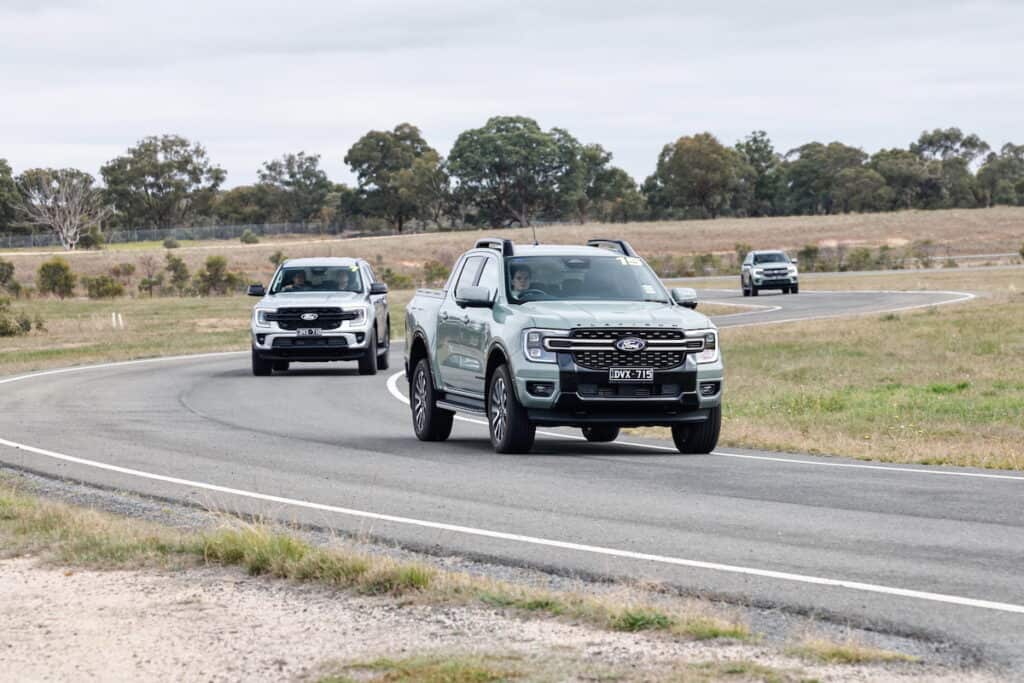
Inside the big CST, you’ll also find numerous other testing roads. For me, the personal favourite had to be the Ride and Handling Road. With a 2.5km outer track featuring 1.5km worth of corners, 19 in total, driving back-to-back in the Aussie-developed Ranger and Everest put it into perspective how crucial it is to put in the work at a facility like this.
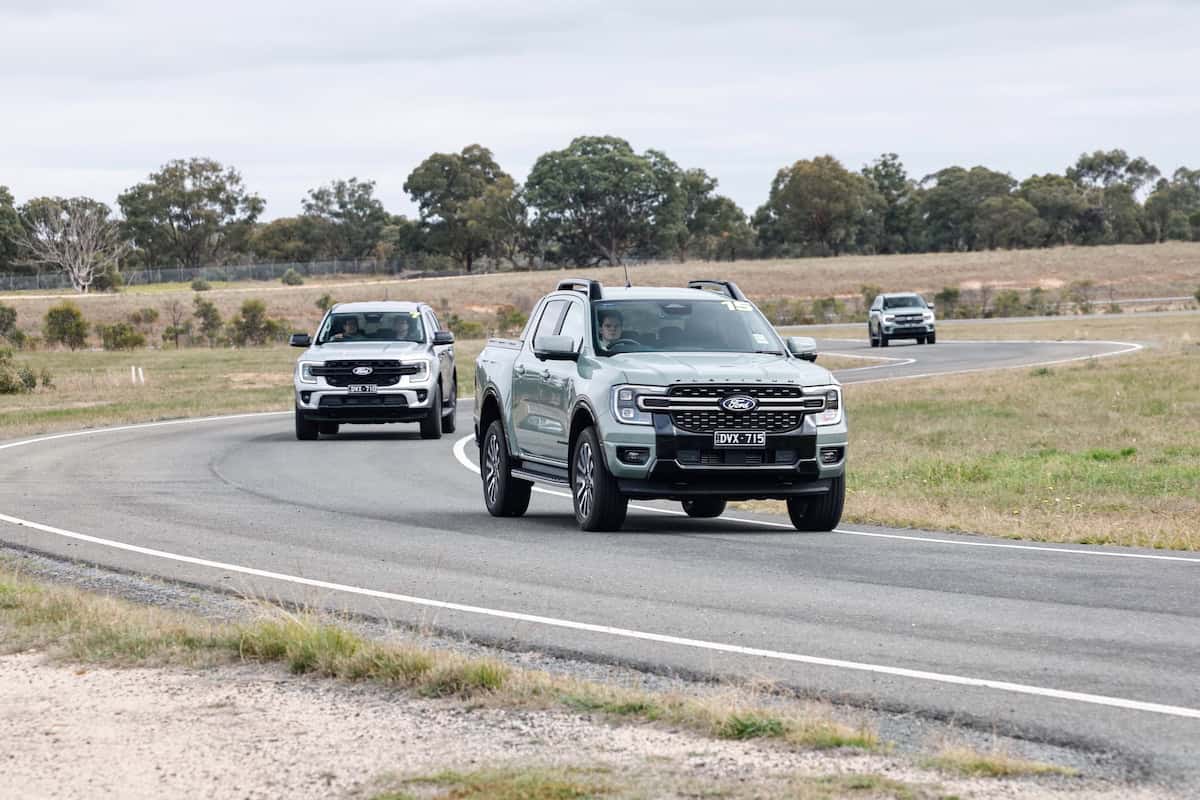
Not only was it clear to see the changes between each vehicle’s take on the T6.2 platform that underpins them, but it was also clear – particularly on one ride-focused section that was genuinely a perfect simulation of an undulating Aussie country road – how impactful the Australianised nature of this development work is.
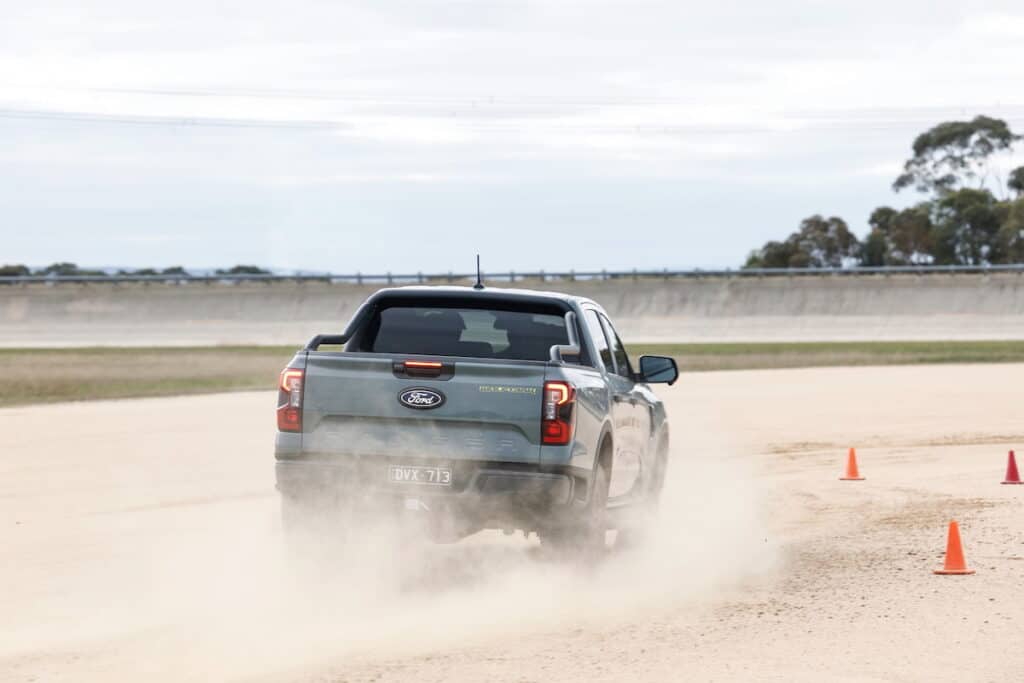
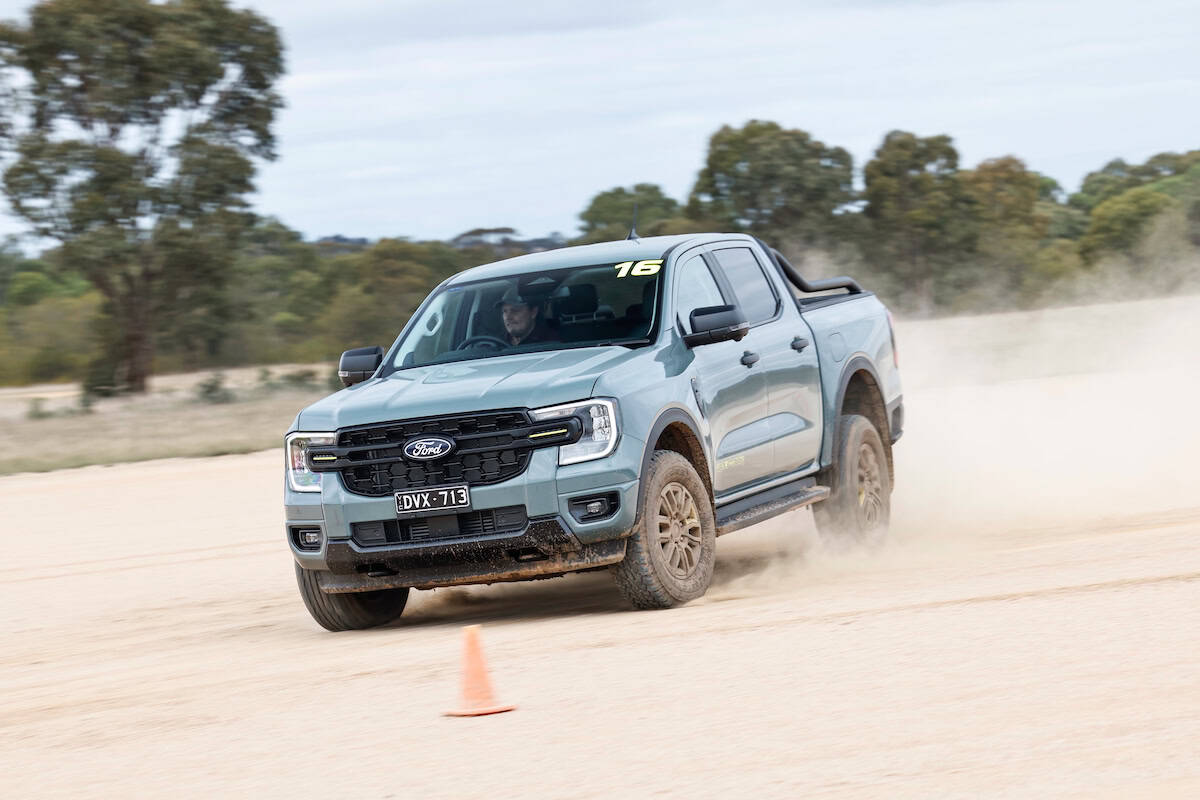
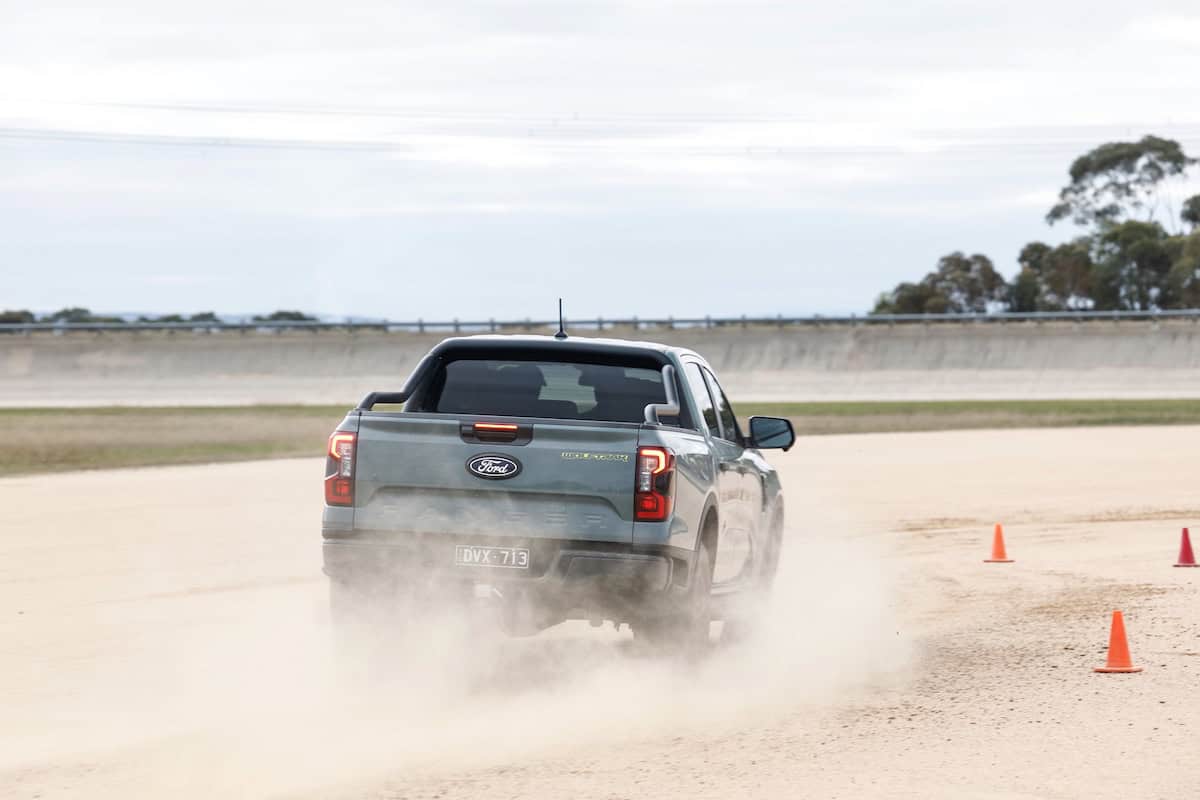
There was also a chance to test the brakes – and my emergency manoeuvring ability – through a cone course set up on part of Brake Test Road, which has three 110-metre side-by-side sections simulating different low friction road surfaces.
Even more special at this point was that I had the entire track to myself (aside from my minders) at this point due to some luck with the schedule and finishing my video duties early.
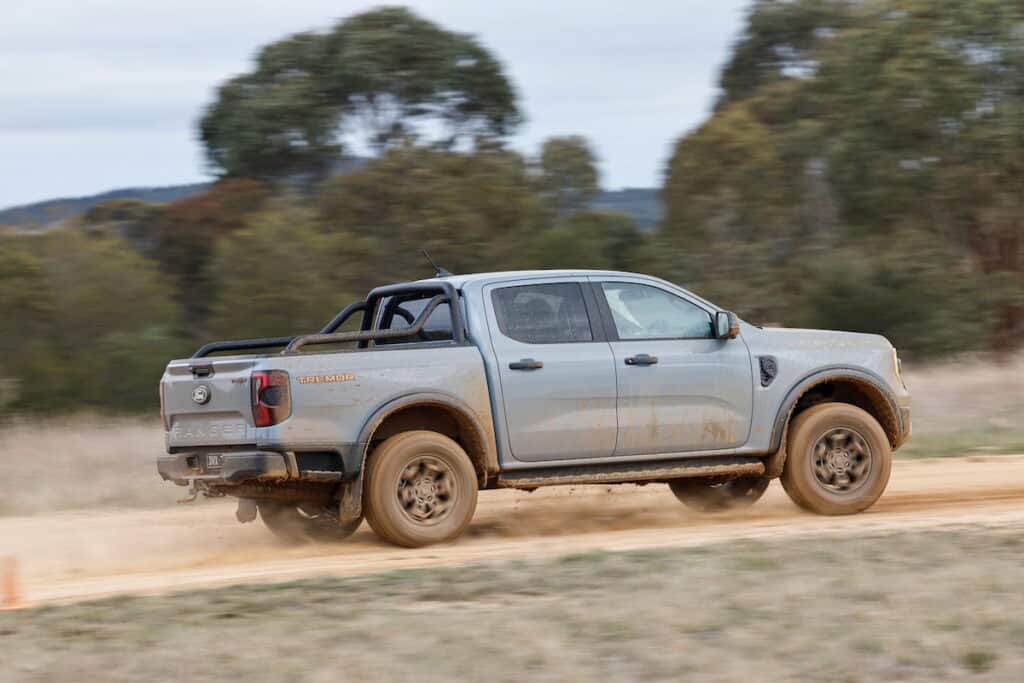
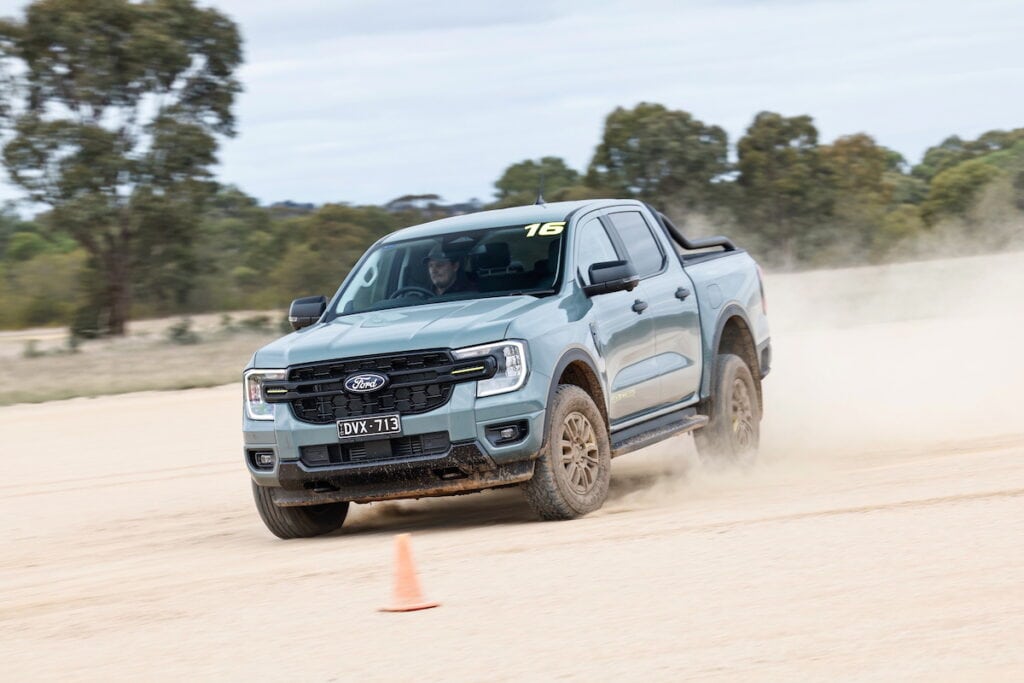
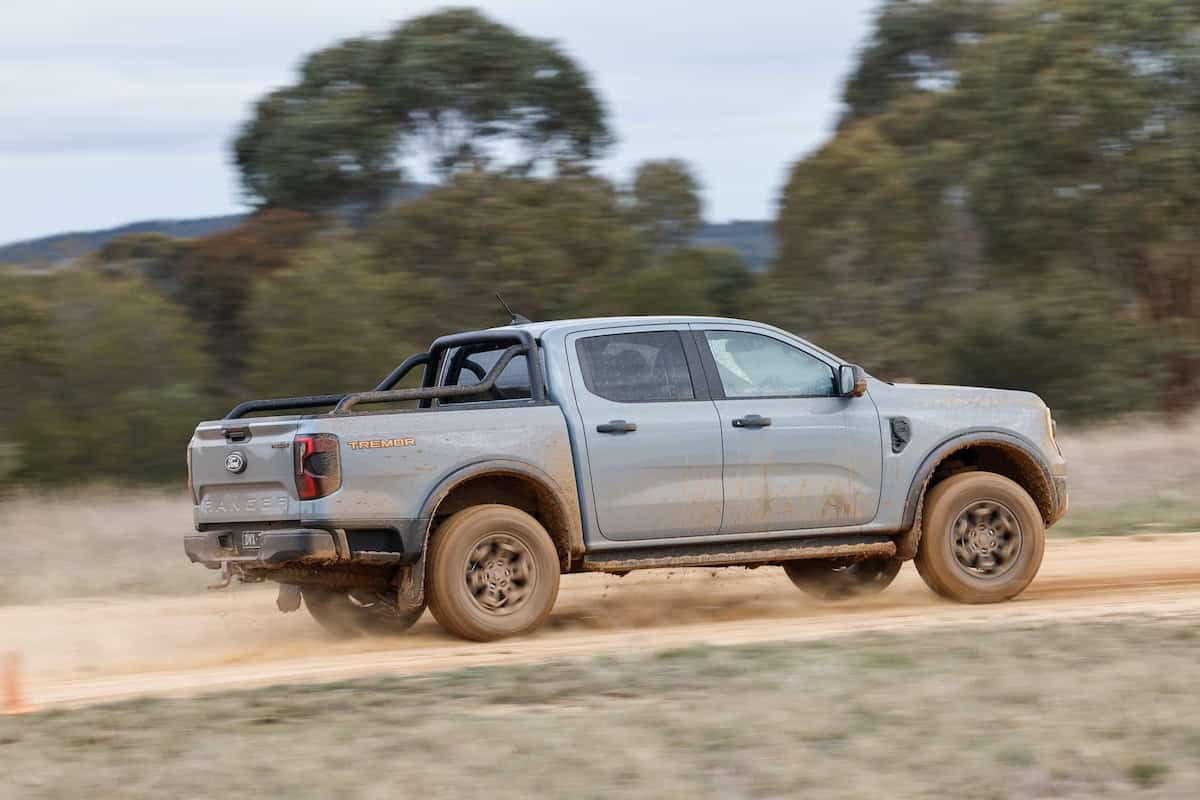
Earlier in the day, I was also able to sample some of the off-road testing facilities also housed within the centre of the CST, including a challenging low-speed off-road track with steep gradients and big ruts, a high-speed gravel road for testing handling and traction control on a loose surface, and a big gravel skid pad where I did a similar full ABS emergency manoeuvre move to before, although this time on a loose surface.
While again, there are other parts that we weren’t given access to for more specific or specialised testing, to get to drive where countless miles were spent developing classic Falcons among numerous other vehicles is one of those bucket list experiences.
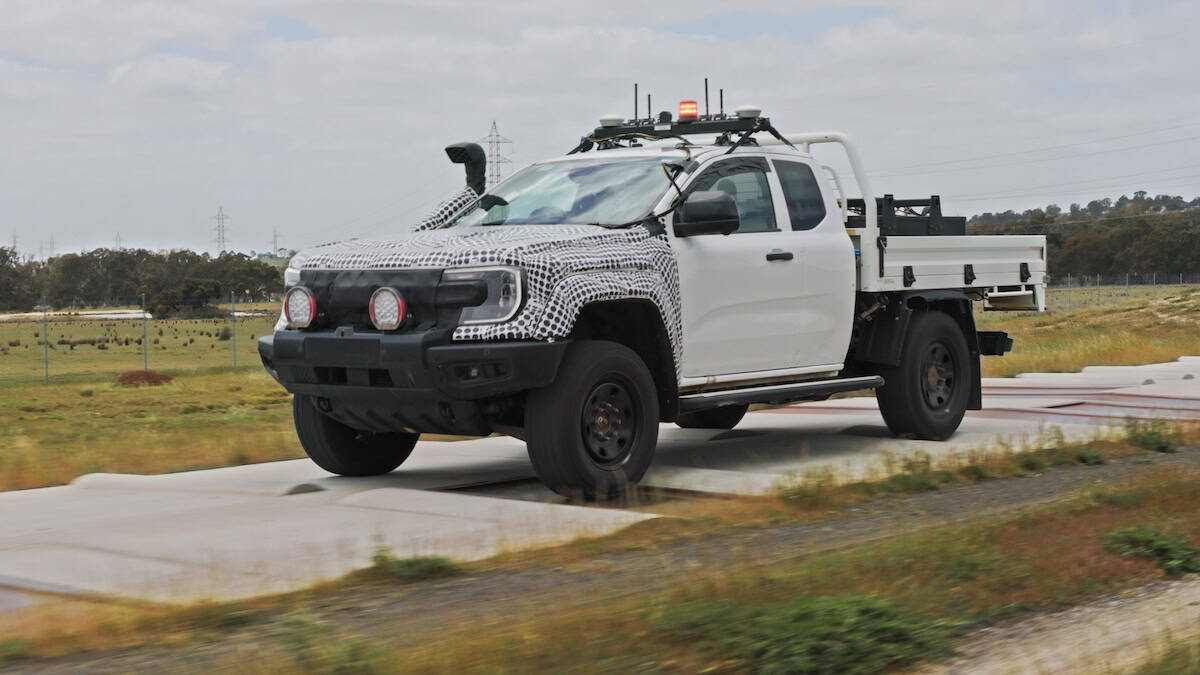
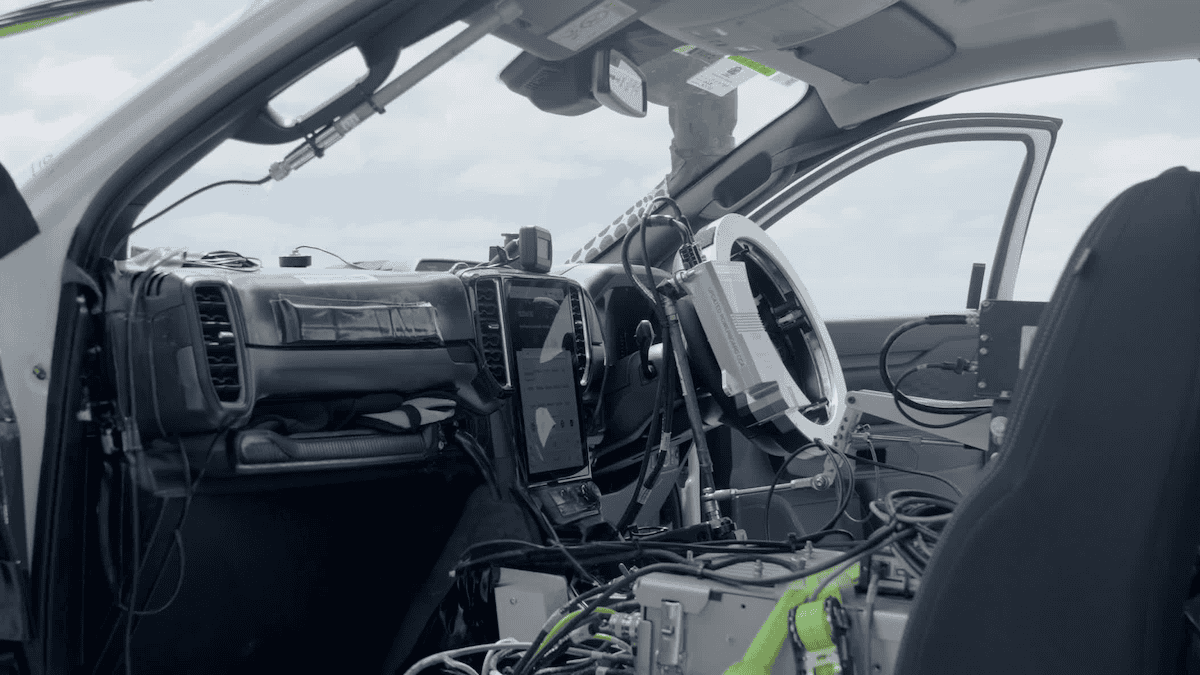
What’s even better is knowing that Ford is still committed to this facility. Currently, the company employs over 1000 designers and engineers in its Australian R&D staff, 24 percent of whom are based at You Yangs Proving Ground. Over the past decade, Ford has invested $5 billion in local R&D.
“That investment isn’t just about better vehicles,” explains Steve Crosby, director of product development for Ford International Markets Group.
“It’s about maintaining the sovereign capability – the talent, the facilities and the knowledge – to keep solving Australian problems for Australian customers.”
While many still rue the closure of local vehicle manufacturing, the far more important thing to me is knowing that this level of engineering, design, and development work is still able to happen here in Australia, and not just for our market but for truly international stages.
Australia is home to some of the most talented designers and engineers the automotive industry has seen, and there’s a reason our people are still in such high demand overseas. Keeping this part of our automotive industry alive is what really matters.
Keen for more behind the scenes insights into the Australian automotive industry? Click here to find out about our tour of the Tickford Racing headquarters.